
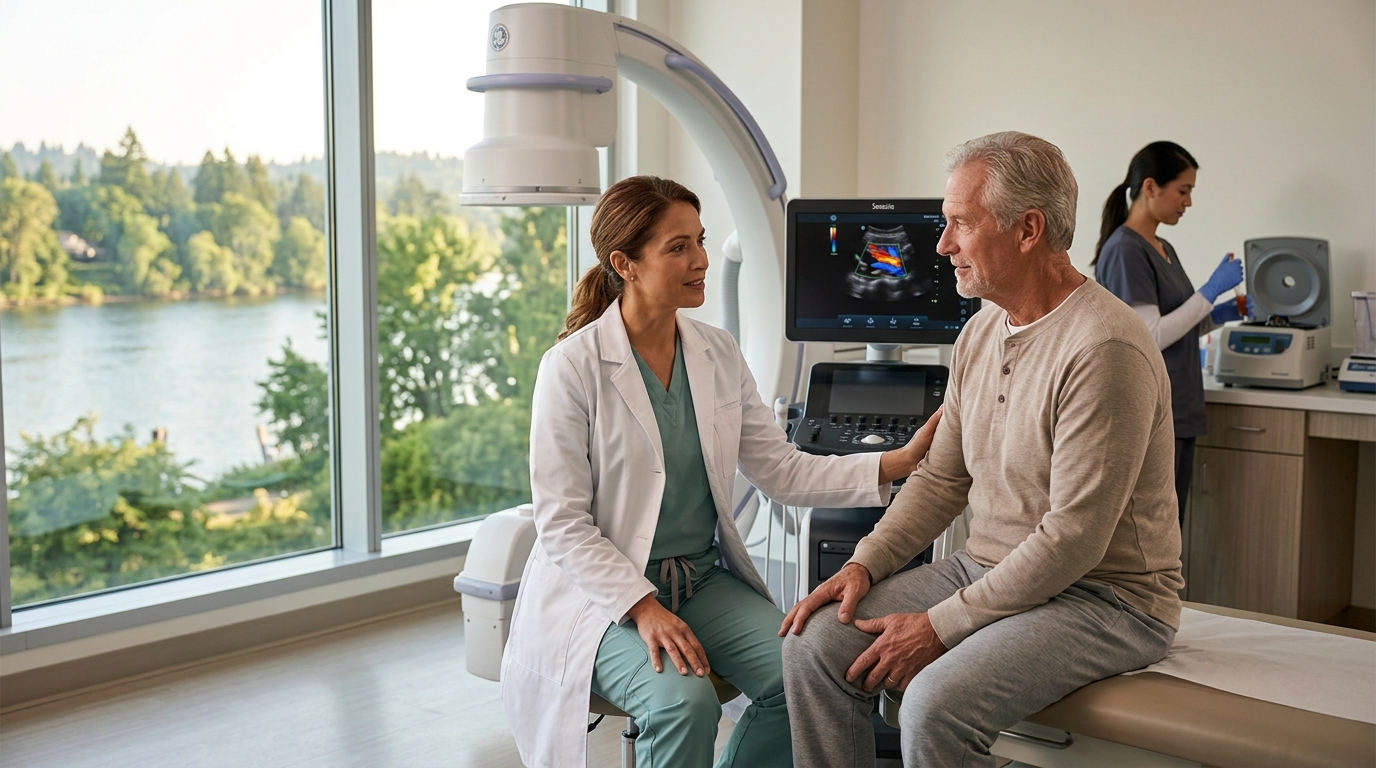
Biocellular joint regeneration represents a paradigm shift in orthopedic care, moving away from symptom management toward actual tissue repair. This advanced therapeutic approach utilizes autologous adipose-derived stem cells to harness the body's innate healing potential. According to recent clinical observations, regenerative medicine has successfully restored function for thousands of patients who were previously told surgery was their only option. This guide details the specific orthopedic and degenerative conditions treatable with this technology.
What Is Biocellular Joint Regeneration?
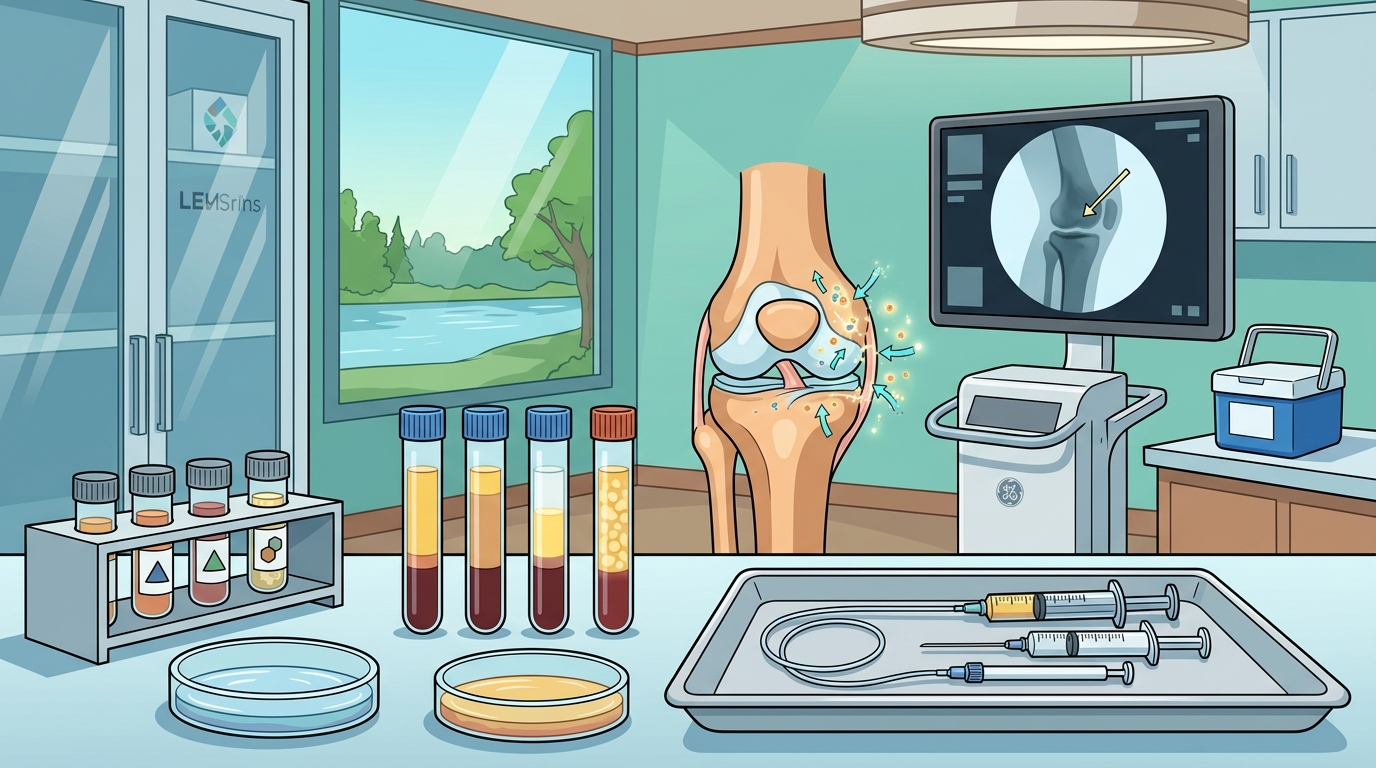
Biocellular joint regeneration is a non-surgical procedure that harvests adipose tissue from the patient's own body to isolate adult stem cells. These cells are then processed and injected directly into damaged joints, tendons, or ligaments. The term "biocellular" refers to the use of living biological cells to stimulate repair. Unlike synthetic implants, this method uses the patient's own biological material, minimizing the risk of rejection.
The process begins with a minimally invasive harvest of fat tissue. At Oregon Regenerative Medicine, this is followed by a specialized processing technique to concentrate the stem cells and growth factors. The resulting graft is rich in mesenchymal stem cells that differentiate into the specific tissue types needed for repair. This approach is distinct from Platelet Rich Plasma (PRP), which relies on platelets rather than stem cells. While PRP is effective for mild injuries, biocellular therapy addresses more severe degenerative conditions.
Our physicians utilize ultrasound imaging and fluoroscopic guidance to ensure precise delivery of the graft. This technical precision is critical for treating complex conditions. The goal is to halt the progression of osteoarthritis and restore pain-free movement. For more details on our diagnostic capabilities, visit our ultrasound expertise page.
Orthopedic Conditions Treated
Biocellular joint regeneration is primarily indicated for chronic musculoskeletal injuries and degenerative joint disease. The following conditions are commonly treated with this advanced therapy:
Osteoarthritis of the Knee and Hip
Osteoarthritis is the leading cause of chronic disability worldwide. It involves the breakdown of cartilage that cushions the ends of bones. Biocellular therapy aims to regenerate this lost cartilage. Studies suggest that adipose-derived stem cells can promote chondrogenesis, the formation of new cartilage tissue. Patients with early to moderate osteoarthritis often experience significant pain reduction and improved mobility. This treatment offers a viable alternative to joint replacement surgery for many individuals.
Tendon Tears and Tendinopathy
Chronic tendon injuries, such as rotator cuff tears or Achilles tendinopathy, often fail to heal with rest alone. The blood supply to tendons is poor, which slows natural recovery. Biocellular injections deliver a high concentration of growth factors directly to the injury site. This stimulates the tendon fibers to repair and strengthen. Clinical data indicates that patients with partial-thickness tears can avoid surgical intervention. For a deeper dive into our PRP protocols, explore our PRP therapy resources.
Ligament Injuries and Instability
Ligament sprains, particularly in the knee and ankle, can lead to long-term instability if not properly healed. Biocellular regeneration strengthens the ligamentous tissue by promoting collagen synthesis. This is crucial for athletes and active individuals who require joint stability. The treatment reduces laxity and restores the mechanical integrity of the joint.
Post-Surgical Repair and Revision
Biocellular therapy is also used as an adjunct to surgical repair. After procedures like meniscus repair or rotator cuff surgery, the graft can accelerate healing. It reduces inflammation and promotes faster tissue integration. This can lead to a shorter rehabilitation period and better long-term outcomes. Patients seeking to understand the risks of stem cells should review our safety guidelines.
Spine and Joint Applications
Beyond peripheral joints, biocellular regeneration has applications in spinal conditions. Degenerative disc disease and facet joint arthritis are common sources of chronic back pain. Fluoroscopic guidance allows for precise injection into these small, complex structures. This minimizes risk and maximizes therapeutic effect. Our team specializes in fluoroscopy-guided spine injections to ensure accuracy.
Additionally, the therapy addresses inflammatory arthritis conditions. While it does not cure autoimmune diseases, it can reduce local inflammation and pain in affected joints. This provides a window of relief that allows patients to engage in physical therapy. The combination of biological treatment and rehabilitation is key to long-term success.
Treatment Modality Comparison
Understanding the differences between regenerative options is essential for informed decision-making. The table below compares biocellular therapy with other common treatments.
| Treatment Type | Primary Component | Best For | Invasiveness |
|---|---|---|---|
| Biocellular Regeneration | Adipose Stem Cells | Severe degeneration, tears | Minimally Invasive |
| Platelet Rich Plasma (PRP) | Concentrated Platelets | Mild to moderate injuries | Minimally Invasive |
| Prolotherapy | Dextrose Solution | Ligament laxity | Minimally Invasive |
| Surgery | Implants or Repair | End-stage joint failure | Invasive |
For a comprehensive overview of our regenerative options, visit our regenerative medicine page.
Key Takeaways
- Biocellular joint regeneration uses autologous adipose-derived stem cells to repair damaged tissue.
- The treatment is highly effective for osteoarthritis of the knee, hip, and shoulder.
- It addresses chronic tendon tears and ligament instability that have failed conservative care.
- Precision imaging, including ultrasound and fluoroscopy, is critical for successful outcomes.
- Patients with over 40,000 regenerative injections have benefited from these protocols.
- The therapy offers a non-surgical alternative for patients seeking to avoid joint replacement.
- Oregon Regenerative Medicine has over 30 years of experience in this field.
Frequently Asked Questions
How long does the biocellular procedure take?
The procedure typically takes about one to two hours, including the harvest and processing time. Patients can usually go home the same day.
Is the treatment painful?
Local anesthesia is used during the harvest and injection. Most patients report minimal discomfort during the procedure. Post-treatment soreness is common but manageable.
What is the recovery time?
Recovery varies by condition. Patients are advised to rest for a few days and avoid strenuous activity for several weeks. Physical therapy is often recommended to optimize results.
How many treatments are needed?
Most patients require only one treatment. However, severe cases may benefit from a second session after six months. Our doctors will assess your response during follow-up.
Is biocellular therapy covered by insurance?
Regenerative medicine procedures are often considered elective and may not be covered by insurance. We provide detailed cost information during your consultation.
Who is a good candidate for this therapy?
Good candidates are individuals with chronic joint pain, osteoarthritis, or tendon injuries who have not responded to physical therapy or medication. A consultation is required to determine eligibility.
What are the risks of stem cell therapy?
Risks are minimal when performed by experienced physicians. Potential complications include infection or bleeding at the harvest site. Learn more about safety protocols.
Schedule Your Consultation
If you are suffering from chronic joint pain or degenerative conditions, biocellular regeneration may offer the relief you need. Our team of expert physicians is dedicated to helping you achieve pain-free function. Contact us today to schedule your consultation at our Portland clinic. Visit our contact page to book your appointment or call (503) 636-2734.