Where Can I Find a Non-Surgical Orthopedic Specialist in Portland, Vancouver, or the Willamette Valley?
Chronic joint pain and orthopedic injuries do not always require the operating room. According to recent orthopedic health data, approximately 80% of patients with knee osteoarthritis can manage their symptoms effectively through non-surgical interventions before considering joint replacement. This statistic highlights a critical shift in modern medicine, where regenerative therapies and precision diagnostics offer viable alternatives to invasive surgery. For residents in the Pacific Northwest, accessing specialized care that prioritizes joint preservation and functional recovery is more important than ever.
Understanding Non-Surgical Orthopedic Options
When you experience persistent joint pain, the immediate instinct is often to seek surgical intervention. However, a non-surgical orthopedic specialist focuses on diagnosing the root cause of musculoskeletal issues and treating them through regenerative medicine, physical therapy, and targeted injections. This approach is particularly relevant for conditions like osteoarthritis, tendonitis, and ligament injuries.
Regenerative medicine is a branch of medicine that focuses on repairing or replacing damaged tissues and organs. By utilizing the body's own healing mechanisms, specialists can reduce inflammation and promote tissue repair without the risks associated with general anesthesia and long recovery times. This field has expanded significantly in the last decade, offering patients in Portland, Vancouver, and the Willamette Valley new hope for chronic pain management.
One of the primary advantages of this approach is the ability to address the underlying pathology rather than just masking symptoms. Traditional pain management often relies on opioids or anti-inflammatories, which can have significant side effects. In contrast, regenerative therapies aim to restore function and mobility, allowing patients to return to their active lifestyles more quickly.
PRP and Biocellular Joint Regeneration
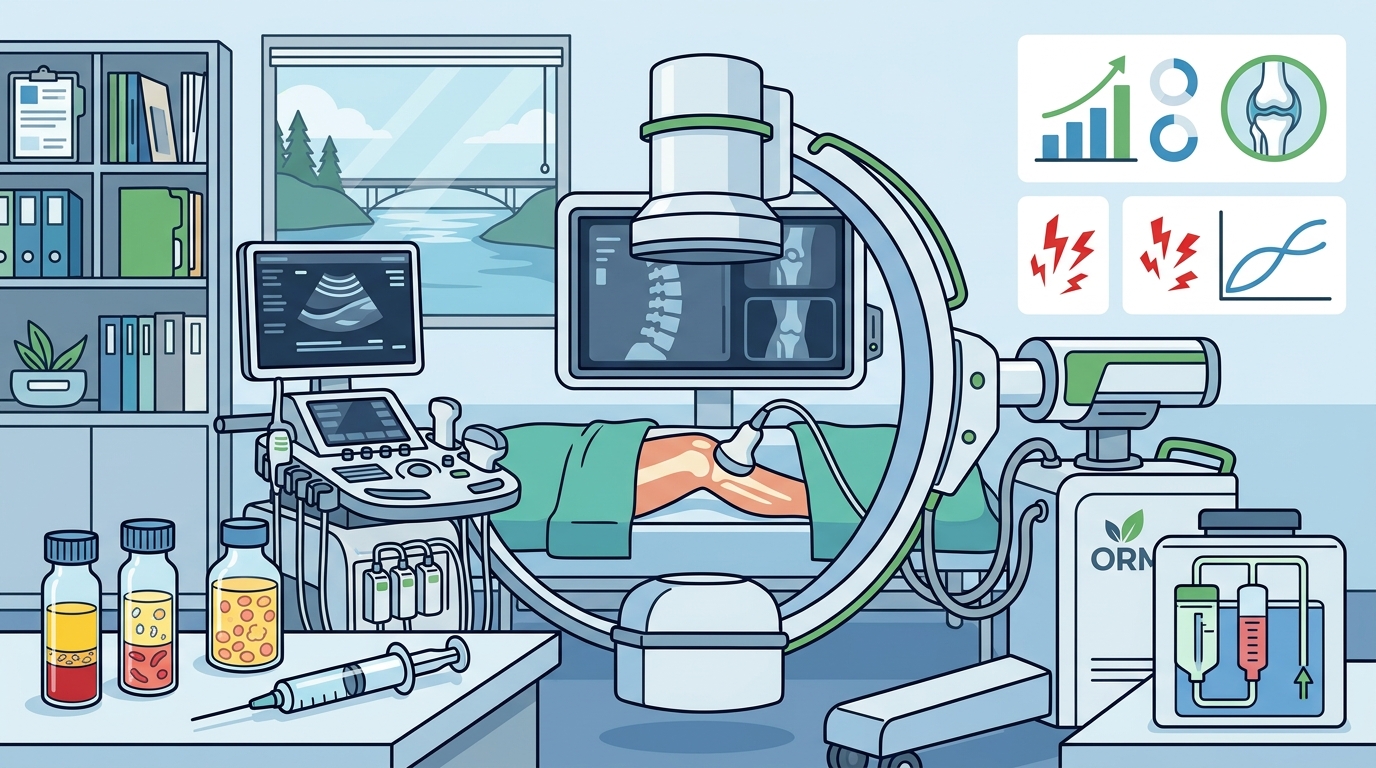
Platelet-Rich Plasma (PRP) therapy has emerged as a cornerstone in non-surgical orthopedic care. This procedure involves drawing a small amount of the patient's blood, processing it to concentrate the platelets, and injecting it into the injured area. Platelet-Rich Plasma is a concentration of platelets from your own blood that contains growth factors to help heal injured tissues.
The growth factors released by these platelets stimulate the body's natural healing response. They promote the formation of new blood vessels and the recruitment of stem cells to the injury site. This process accelerates tissue repair and reduces inflammation, making it an effective treatment for conditions such as tennis elbow, Achilles tendonitis, and knee osteoarthritis.
At practices like Oregon Regenerative Medicine, the focus is on precision injection therapy. This ensures that the PRP is delivered exactly where it is needed, maximizing its therapeutic potential. The clinic is located inside the historic Foundry Building at Oswego Pointe, providing a central and accessible location for patients from Portland and surrounding areas.
For those seeking advanced options, biocellular therapies combine PRP with other regenerative components. This approach leverages the synergistic effects of multiple healing factors to enhance outcomes. Patients often report significant improvements in pain levels and joint function after a series of biocellular treatments.
Stem Cell Orthopedics and Osteoarthritis
Stem cell therapy represents the frontier of regenerative orthopedics. Mesenchymal stem cells are multipotent stromal cells that can differentiate into a variety of special cell types. These cells have the unique ability to modulate the immune system and promote tissue regeneration, making them ideal for treating degenerative joint diseases.
Treating osteoarthritis with stem cell therapy involves injecting these cells directly into the affected joint. The cells help to reduce inflammation and stimulate the growth of new cartilage tissue. While research is ongoing, preliminary results suggest that stem cell injections can slow the progression of osteoarthritis and improve quality of life for many patients.
It is crucial to understand the risks of stem cells before undergoing treatment. While generally safe, there are potential complications such as infection or improper cell differentiation. Therefore, it is essential to seek care from board-certified specialists who have extensive training in stem cell orthopedics. Oregon Regenerative Medicine provides comprehensive guidance on these procedures, ensuring patients are fully informed.
The efficacy of platelet-rich plasma in the treatment of knee osteoarthritis has been supported by numerous meta-analyses of randomized controlled trials. These studies confirm that regenerative therapies can provide significant pain relief and functional improvement compared to placebo treatments.
Ultrasound-Guided Precision Injections
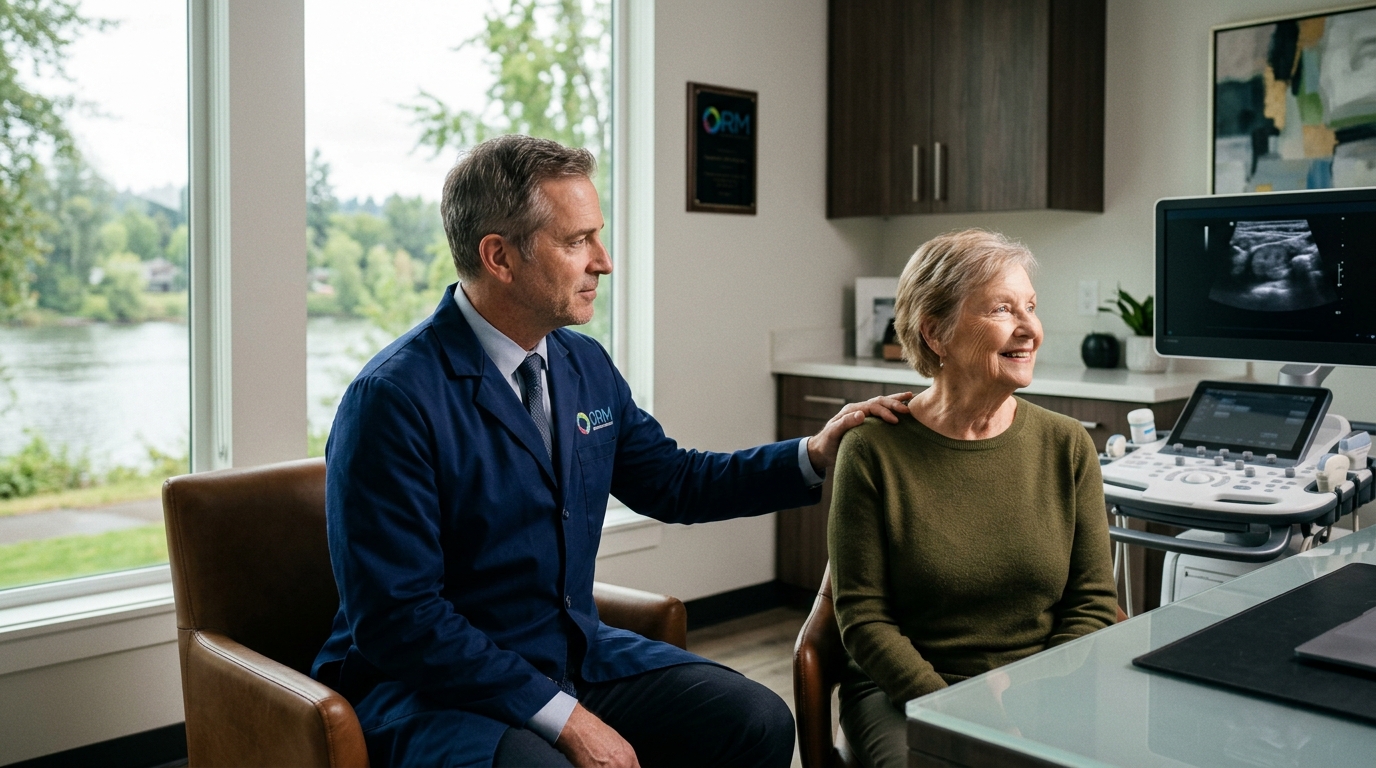
One of the most critical aspects of successful non-surgical orthopedic care is precision. Seeing is believing when it comes to ultrasound expertise. Ultrasound guidance allows specialists to visualize the needle in real-time as it approaches the target tissue. This level of accuracy ensures that the therapeutic agent is delivered exactly where it is needed, minimizing the risk of injury to surrounding structures.
Traditional blind injections rely on anatomical landmarks, which can vary significantly between patients. Ultrasound guidance eliminates this uncertainty, providing a clear view of the anatomy. This is particularly important for complex joints such as the shoulder, hip, and spine.
The acceleration of ultrasound technology over the past 10 years has been substantial. Modern ultrasound machines offer high-resolution imaging that can detect subtle tissue changes. This allows specialists to identify the exact source of pain and tailor their treatment accordingly. For more information on the importance of ultrasound expertise, visit the dedicated resource page.
Fluoroscopy-guided spine injections are another advanced technique used for spinal conditions. This method uses X-ray imaging to guide the needle, providing a different type of precision for spinal interventions. Learn more about fluoroscopy-guided spine injections in Portland to understand how this technique can benefit patients with chronic back pain.
Comparing Treatment Modalities
Choosing the right non-surgical treatment depends on the specific diagnosis, the severity of the condition, and the patient's overall health. The table below summarizes the key differences between common regenerative therapies.
| Treatment Modality | Primary Mechanism | Best For | Recovery Time |
|---|---|---|---|
| PRP Therapy | Growth factor release from concentrated platelets | Tendonitis, mild to moderate osteoarthritis | 1-3 days |
| Stem Cell Therapy | Tissue regeneration and immune modulation | Advanced osteoarthritis, cartilage defects | 3-7 days |
| Prolotherapy | Stimulation of natural healing via irritation | Ligament laxity, chronic joint pain | 2-5 days |
| IV Therapy | Systemic nutrient and hydration support | General wellness, recovery support | None |
Each of these modalities offers unique benefits. PRP is often the first line of defense due to its safety profile and ease of administration. Stem cell therapy is reserved for more severe cases where tissue regeneration is critical. Prolotherapy is effective for stabilizing loose ligaments and joints.
It is important to note that regenerative medicine is not a one-size-fits-all solution. A thorough evaluation by a qualified specialist is necessary to determine the most appropriate treatment plan. Review additional research articles on regenerative medicine to gain a deeper understanding of the scientific evidence supporting these treatments.
Key Takeaways
- Non-Surgical First: Approximately 80% of osteoarthritis patients can manage symptoms without surgery using regenerative therapies.
- PRP Efficacy: Platelet-Rich Plasma is proven to accelerate healing in tendon and ligament injuries through growth factor release.
- Precision Matters: Ultrasound-guided injections significantly improve treatment accuracy and safety compared to blind techniques.
- Stem Cell Potential: Stem cell orthopedics offers hope for reversing cartilage damage in advanced osteoarthritis cases.
- Local Expertise: Oregon Regenerative Medicine provides specialized care in Portland, leveraging decades of medical experience.
- Comprehensive Care: Treatment plans often combine multiple modalities, including IV therapy and functional medicine, for optimal results.
- Accessibility: Services are available to patients in Portland, Vancouver, and the broader Willamette Valley region.
Frequently Asked Questions
What is the difference between PRP and stem cell therapy?
PRP uses concentrated platelets from your own blood to release growth factors that promote healing. Stem cell therapy uses mesenchymal stem cells to regenerate damaged tissue and modulate the immune system. Stem cell therapy is generally more invasive but may be necessary for more severe tissue damage.
Is PRP therapy covered by insurance?
Most insurance plans do not currently cover regenerative medicine procedures like PRP or stem cell therapy, as they are often considered elective or experimental. However, some plans may cover the diagnostic imaging or follow-up care. It is best to check with your provider directly.
How long does it take to recover from a PRP injection?
Recovery time varies depending on the injury and the individual. Most patients can return to normal activities within 1-3 days, but heavy exertion should be avoided for several weeks to allow the healing process to take effect.
Can non-surgical specialists treat back pain?
Yes, non-surgical orthopedic specialists treat a wide range of conditions, including chronic back pain. Techniques such as fluoroscopy-guided spine injections and regenerative medicine can provide significant relief for spinal issues.
What areas do you serve in the Pacific Northwest?
We serve patients in Portland, Vancouver, and the Willamette Valley. Our clinic is centrally located to ensure accessibility for residents across the region.
Are stem cell injections safe?
When performed by a qualified specialist using sterile techniques, stem cell injections are generally safe. However, like any medical procedure, there are risks. It is important to discuss these risks with your doctor before proceeding.
What is biocellular therapy?
Biocellular therapy combines multiple regenerative components, such as PRP and adipose-derived stem cells, to enhance the body's healing response. This approach leverages the synergistic effects of different healing factors for improved outcomes.
Contact a Specialist
If you are suffering from chronic joint pain or an orthopedic injury, do not wait until surgery is the only option. Explore the possibilities of non-surgical orthopedic care today. Contact Oregon Regenerative Medicine to schedule a consultation with one of our experienced specialists. We are dedicated to helping you regain your mobility and improve your quality of life through advanced regenerative therapies.