How to Find a Qualified Provider for Biocellular Joint Treatments
Biocellular joint regeneration represents a significant leap forward in orthopedic care, offering patients a pathway to restore mobility without invasive surgery. According to recent clinical data, regenerative therapies are increasingly becoming the standard of care for osteoarthritis, with millions of patients seeking alternatives to joint replacement. However, the rapid growth of this field has led to a fragmented market where the quality of care varies drastically. Finding a provider who combines advanced biocellular science with precise imaging expertise is the single most critical factor in determining your treatment outcome.
Understanding Biocellular Therapy and PRP
Before you begin your search for a provider, it is essential to understand the specific modalities being offered. Biocellular therapy is not a single treatment but a category of regenerative medicine that utilizes the body's own healing mechanisms to repair damaged tissue.
Platelet Rich Plasma (PRP) is a concentrated preparation of a patient's own platelets, which release growth factors that stimulate tissue repair and reduce inflammation. This therapy is widely used for knee osteoarthritis, tendon injuries, and ligament damage. The efficacy of PRP depends heavily on the concentration of platelets and the activation process used by the provider.
Another critical component of biocellular treatment is the use of stem cells. Mesenchymal Stem Cells (MSCs) are multipotent stromal cells that can differentiate into a variety of special cell types, including bone, cartilage, and muscle. When derived from adipose tissue or bone marrow, these cells can significantly enhance the regenerative capacity of the joint. Providers who specialize in both PRP and stem cell therapies offer a more comprehensive approach to joint regeneration.
Research indicates that the combination of these therapies can lead to substantial pain reduction and improved function. For instance, studies on the efficacy of platelet-rich plasma in treating knee osteoarthritis show promising results for patients seeking non-surgical interventions. Understanding these distinctions helps you ask the right questions during your provider consultation.
Evaluating Provider Credentials and Expertise
Not all doctors who offer injections are equal. The complexity of biocellular treatments requires a provider with specialized training in regenerative medicine and pain management. You should look for physicians who hold board certifications in relevant fields such as physical medicine and rehabilitation, anesthesiology, or family medicine with additional fellowship training.
At Oregon Regenerative Medicine, the team includes doctors like Dr. Noel Peterson and Dr. Kristian Flores, who bring extensive backgrounds in advanced pain management and regenerative therapies. Their expertise ensures that patients receive care that is both scientifically grounded and clinically effective.
When evaluating a provider, consider the following criteria:
- Specialized Training: Does the provider have specific certification in regenerative medicine or pain management?
- Experience Volume: How many biocellular treatments has the provider performed? High-volume providers often refine their techniques over time.
- Comprehensive Approach: Does the provider offer a range of therapies, including PRP, stem cells, and prolotherapy, to tailor treatment to your specific needs?
Providers who are part of a multidisciplinary team, such as those including master aestheticians and somatic mindfulness facilitators, often provide a more holistic approach to recovery. This integration of physical therapy and mental wellness can accelerate healing and improve patient satisfaction.
The Critical Role of Ultrasound and Fluoroscopy
One of the most significant differentiators between a qualified provider and an average clinic is the use of image guidance. Blind injections, where the needle is placed without real-time visualization, carry a higher risk of complications and reduced efficacy. Qualified providers use advanced imaging to ensure precise delivery of the therapeutic agents.
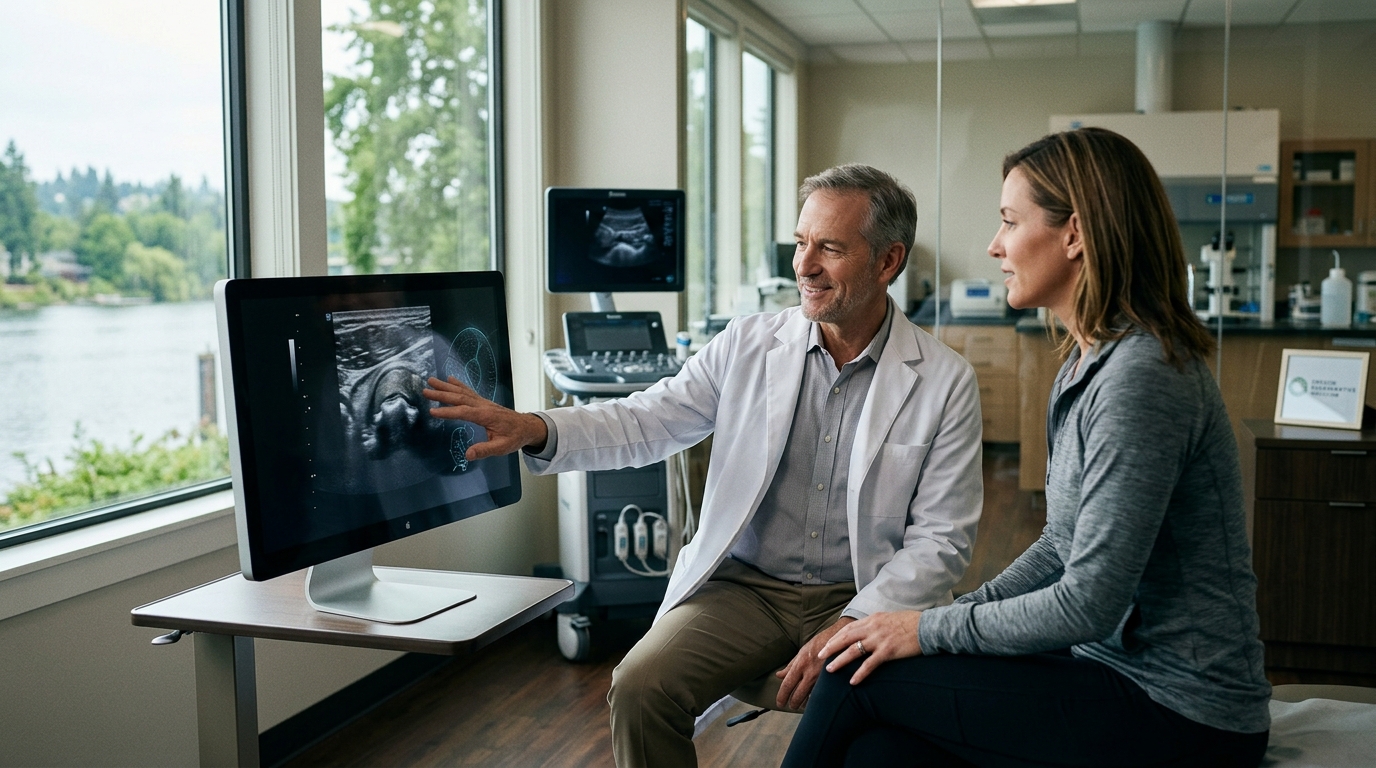
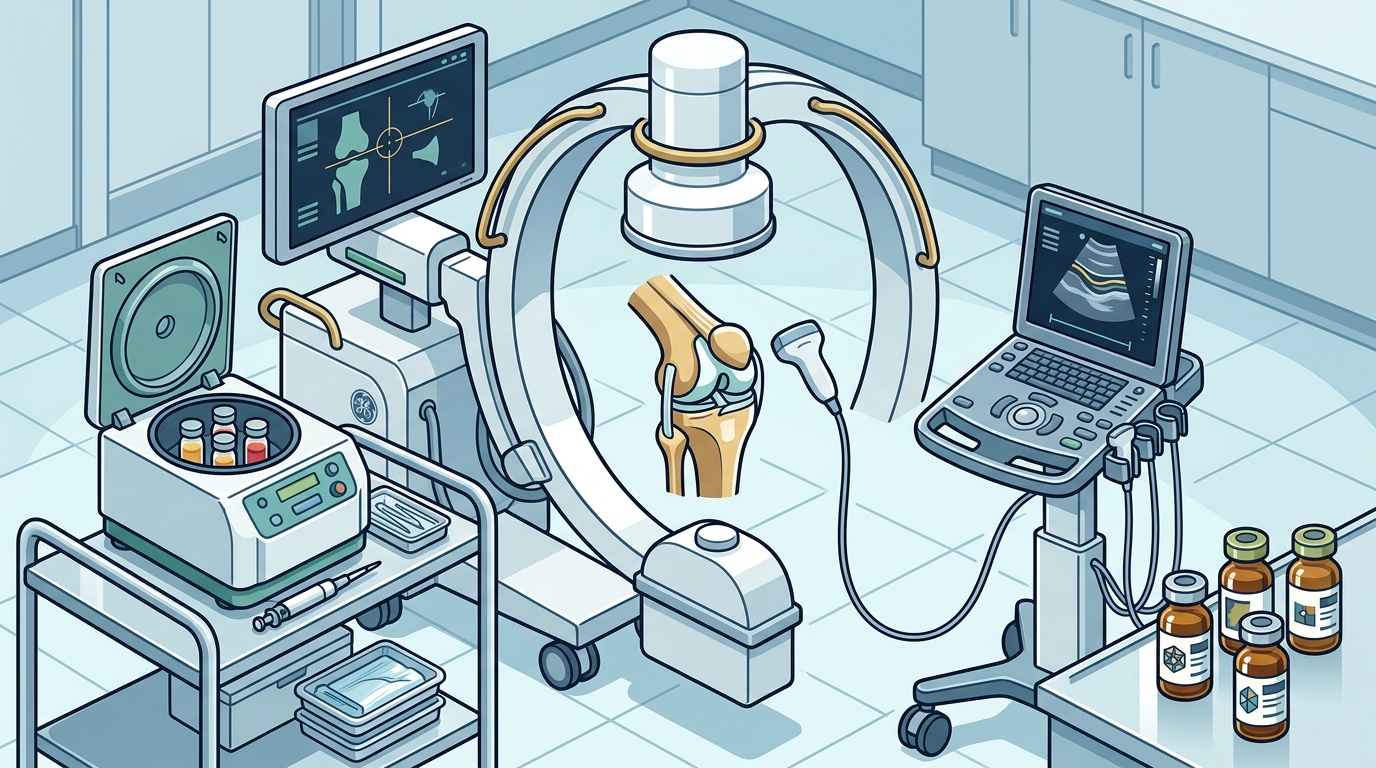
Ultrasound guidance allows for real-time visualization of soft tissues, enabling the provider to see the needle tip and the target anatomy simultaneously. This technology is crucial for treating tendons, ligaments, and joints with precision. The acceleration of ultrasound technology over the past decade has made it an indispensable tool in regenerative medicine.
For spinal conditions, fluoroscopy is a real-time X-ray imaging technique that provides clear visualization of the spine and surrounding structures. This method is essential for spine injections, ensuring that the medication is delivered exactly where it is needed to alleviate pain and inflammation. Providers who offer both ultrasound and fluoroscopy capabilities demonstrate a commitment to safety and accuracy.
At Oregon Regenerative Medicine, the emphasis on imaging expertise ensures that every treatment is tailored to the patient's unique anatomy. This level of precision minimizes the risk of injury and maximizes the therapeutic benefit of the biocellular agents.
Comparing Treatment Options and Protocols
Once you have identified a qualified provider, the next step is to understand the specific treatment protocols they offer. Different conditions require different approaches, and a one-size-fits-all solution is rarely effective in regenerative medicine.
| Treatment Modality | Primary Indication | Key Benefit | Provider Focus |
|---|---|---|---|
| Platelet Rich Plasma (PRP) | Osteoarthritis, Tendonitis | Reduces inflammation and promotes tissue repair | High platelet concentration and activation |
| Stem Cell Therapy | Severe Joint Degeneration | Regenerates cartilage and bone tissue | Adipose-derived or bone marrow sources |
| Prolotherapy | Ligament Laxity | Strengthens connective tissue | Stimulating healing response via dextrose |
| A2M Therapy | Joint Preservation | Neutralizes inflammatory enzymes | Long-term joint health maintenance |
When discussing these options with your provider, ask about the specific preparation methods used for PRP and the source of stem cells. Providers who use advanced centrifugation techniques and sterile processing environments typically achieve better clinical outcomes. Additionally, inquire about the follow-up care protocols, as rehabilitation is a critical component of the healing process.
The integration of functional medicine principles can also enhance treatment results. Functional Medicine approaches the root cause of joint pain, addressing systemic inflammation and nutritional deficiencies that may impede healing. This holistic perspective ensures that the treatment plan supports overall health and long-term joint stability.
Key Takeaways
- Verify Credentials: Ensure your provider is board-certified in pain management or regenerative medicine and has specialized training in biocellular therapies.
- Demand Image Guidance: Always choose a provider who uses ultrasound or fluoroscopy for real-time visualization during injections to ensure precision and safety.
- Understand the Science: Recognize the difference between PRP, stem cells, and prolotherapy to select the most appropriate treatment for your specific condition.
- Assess Comprehensive Care: Look for providers who offer a multidisciplinary approach, including physical therapy and functional medicine, for optimal recovery.
- Review Clinical Evidence: Ask your provider to discuss the research supporting their protocols, such as studies on the regenerative capacity of adipose derived stem cells.
- Consider Location and Accessibility: Choose a provider located in a convenient area, such as the historic Foundry Building in Portland, for easier access to follow-up appointments.
- Evaluate Patient Reviews: Read testimonials from previous patients to gauge the provider's bedside manner and treatment effectiveness.
Frequently Asked Questions
What is the difference between PRP and stem cell therapy?
PRP uses concentrated platelets from your own blood to release growth factors that promote healing, while stem cell therapy utilizes multipotent cells, often from adipose tissue, to regenerate damaged tissue. Stem cell therapy is typically reserved for more severe degenerative conditions.
Why is image guidance important for joint injections?
Image guidance, such as ultrasound or fluoroscopy, allows the provider to see the needle and target anatomy in real-time. This ensures accurate delivery of the therapeutic agent, minimizes the risk of injury, and maximizes the treatment's efficacy.
How do I know if I am a candidate for biocellular treatments?
Candidates for biocellular treatments are typically individuals with osteoarthritis, tendon injuries, or ligament damage who have not found relief with conservative care. A qualified provider will evaluate your medical history, imaging results, and overall health to determine suitability.
What should I expect during the consultation?
During the consultation, the provider will review your medical history, perform a physical examination, and discuss your treatment goals. They will likely recommend specific imaging to assess the extent of joint damage and propose a personalized treatment plan.
Are biocellular treatments covered by insurance?
Insurance coverage for biocellular treatments varies by provider and plan. Some procedures may be covered if deemed medically necessary, while others may be considered elective. It is important to check with your insurance provider and the clinic's billing department for specific details.
How long does recovery take after a biocellular injection?
Recovery time depends on the specific treatment and the severity of the condition. Most patients experience some soreness for a few days, with significant improvements in pain and function occurring over several weeks to months. Rehabilitation exercises are often recommended to support healing.
What makes Oregon Regenerative Medicine different from other clinics?
Oregon Regenerative Medicine distinguishes itself through its emphasis on ultrasound and fluoroscopy expertise, a multidisciplinary team including NDs and MDs, and a holistic approach that integrates regenerative medicine with functional health principles.
Schedule Your Consultation
Finding a qualified provider for biocellular joint treatments is a critical step toward reclaiming your mobility and quality of life. By prioritizing providers with specialized credentials, advanced imaging capabilities, and a comprehensive approach to care, you can ensure the best possible outcome for your treatment.
If you are in the Portland area, consider scheduling a consultation with Oregon Regenerative Medicine. Their team of experts is dedicated to providing personalized, evidence-based care to help you achieve lasting relief from joint pain. Visit their contact page to learn more about their services and to book your appointment today.