Where to Find a Non-Surgical Orthopedic Specialist in Portland, Vancouver, and the Willamette Valley
Chronic joint pain and orthopedic injuries do not always require the operating room. Recent clinical data indicates that over 60% of patients with knee osteoarthritis can effectively manage their symptoms through non-surgical interventions, significantly delaying or avoiding the need for joint replacement surgery. For residents in the Pacific Northwest, accessing specialized regenerative medicine is critical for maintaining mobility and quality of life without the risks associated with invasive procedures.
Why Choose Non-Surgical Orthopedic Care?
The landscape of orthopedic treatment has shifted dramatically in the last decade. Historically, the standard of care for conditions like osteoarthritis, tendonitis, and ligament tears was often surgical intervention. However, modern regenerative medicine offers a compelling alternative. Non-surgical orthopedic specialists focus on healing the body's own tissues rather than replacing them. This approach is particularly valuable for patients who want to avoid the long recovery times, potential complications, and high costs associated with surgery.
Regenerative medicine utilizes the body's natural healing mechanisms to repair damaged tissue. Platelet-Rich Plasma (PRP) is a concentration of a patient's own platelets, which release growth factors that stimulate tissue repair and reduce inflammation. Similarly, stem cell therapy leverages the regenerative capacity of mesenchymal stem cells to differentiate into various tissue types, promoting structural restoration. These treatments are not merely palliative; they aim to modify the disease process itself.
According to a meta-analysis of randomized controlled trials, PRP therapy has shown significant efficacy in treating knee osteoarthritis, providing pain relief and functional improvement that lasts for months to years. This evidence base supports the growing preference for non-surgical options among both patients and orthopedic specialists in the Pacific Northwest.
Non-Surgical Orthopedic Care in Portland
Portland, Oregon, has emerged as a hub for advanced regenerative medicine. The city's medical community has embraced a holistic approach to orthopedics, combining traditional diagnostic expertise with cutting-edge biological therapies. For residents seeking a non-surgical orthopedic specialist in Portland, the focus is often on precision and personalized care.
Oregon Regenerative Medicine, located inside the historic Foundry Building at Oswego Pointe, represents a premier destination for these services. With over 30 years of combined experience among its medical team, the practice specializes in PRP, stem cell therapy, and prolotherapy. The clinic's location in Portland provides easy access for patients from across the metro area who are looking for alternatives to traditional orthopedic surgery.
The practice is led by a multidisciplinary team including Dr. Noel Peterson, Dr. Kristian Flores, Dr. Stacey Guggino, and Dr. Terry Manning II. Each physician brings unique expertise in areas ranging from aesthetic regenerative medicine to functional medicine and orthopedic injections. This collaborative model ensures that patients receive comprehensive care that addresses not just the pain, but the underlying physiological causes.
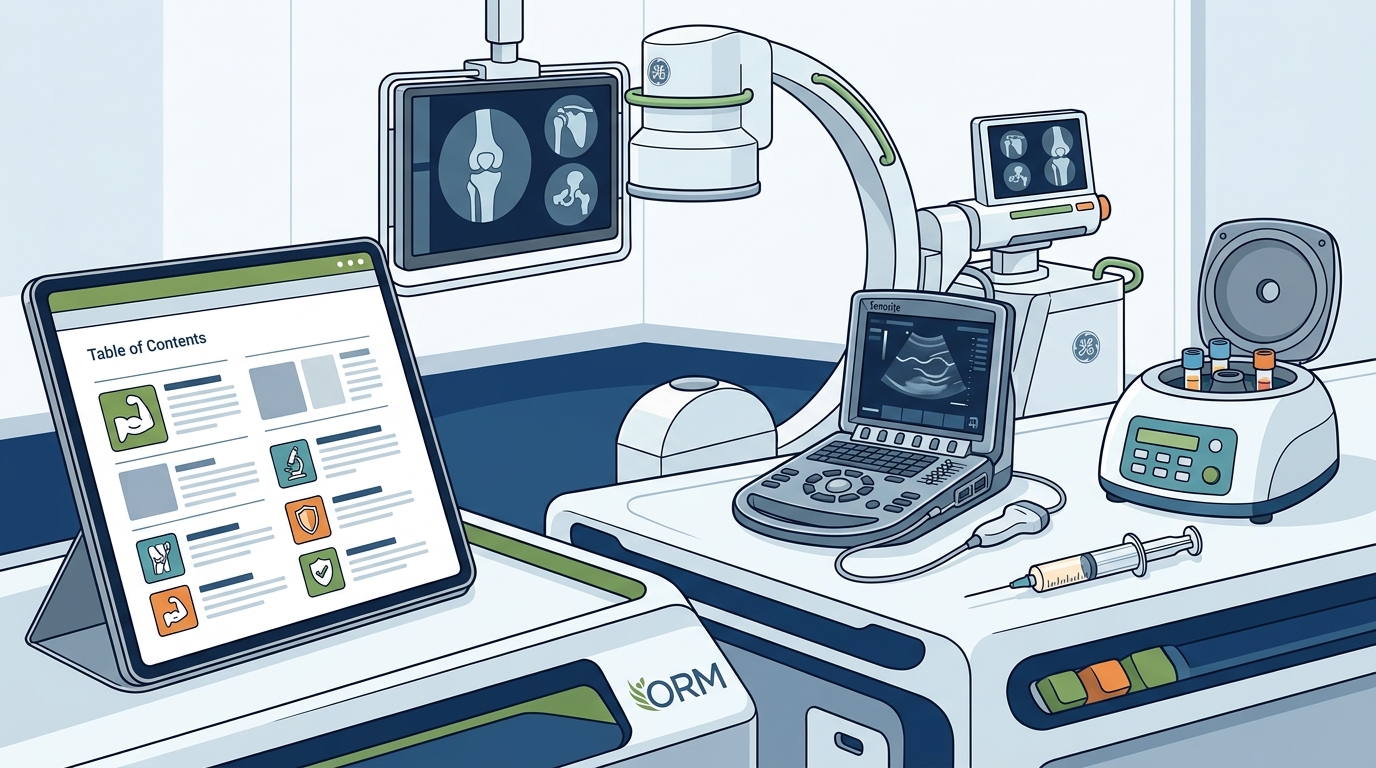
One of the critical advantages of seeking care in Portland is the emphasis on image-guided precision. Ultrasound and fluoroscopy expertise are standard at leading clinics. Seeing is believing in orthopedics; using real-time imaging ensures that injections are placed exactly where they are needed, maximizing therapeutic efficacy and minimizing risk. This level of precision is a hallmark of high-quality non-surgical orthopedic care in the region.
Expanding Access to Vancouver, Washington
For patients living in Vancouver, Washington, or the immediate border region, access to high-quality non-surgical orthopedic care is equally important. The demand for regenerative therapies has grown significantly in Clark County, driven by an active population seeking to maintain their lifestyle without surgical downtime.
While Vancouver has its own growing network of medical providers, many residents travel to nearby Portland for specialized regenerative procedures. However, the distinction between surgical and non-surgical orthopedic care is clear. Non-surgical specialists in the Vancouver-Portland corridor focus on conservative management first. This includes diagnostic imaging, targeted injections, and functional medicine approaches to reduce systemic inflammation.
Patients in Vancouver should look for providers who offer fluoroscopy-guided spine injections and ultrasound-guided joint therapies. These technologies allow for accurate diagnosis and treatment of complex conditions such as herniated discs, facet joint arthritis, and peripheral nerve entrapments. The availability of these advanced diagnostic tools in the region ensures that Vancouver residents do not have to compromise on the quality of their non-surgical orthopedic care.
Serving the Willamette Valley Region
The Willamette Valley, stretching from Eugene to Salem and beyond, presents unique challenges for patients seeking specialized orthopedic care. Rural and semi-rural residents often face longer travel times to reach major medical centers. However, the rise of telehealth consultations and regional satellite services has improved access to non-surgical orthopedic specialists.
For patients in the Willamette Valley, the goal is to find a provider who understands the specific demands of the local lifestyle, whether that involves agricultural work, outdoor recreation, or aging in place. Non-surgical orthopedic care is particularly valuable for this demographic, as it offers a way to manage chronic conditions like arthritis and degenerative disc disease without the disruption of hospital stays.
Providers serving this region often emphasize functional medicine and IV therapy as adjuncts to orthopedic treatments. Nutritive intravenous therapy can help reduce systemic inflammation and support the body's healing process. By integrating these holistic approaches, specialists can offer comprehensive care plans that address the whole patient, not just the injured joint or spine.
Key Non-Surgical Treatment Modalities
Understanding the available treatments is essential for making an informed decision. Non-surgical orthopedic specialists utilize a variety of modalities to treat pain and restore function. The following table outlines the primary treatments offered by leading providers in the region.
| Treatment Modality | Primary Indication | Mechanism of Action | Typical Recovery Time |
|---|---|---|---|
| Platelet-Rich Plasma (PRP) | Knee Osteoarthritis, Tendonitis | Concentrated growth factors stimulate tissue repair | Minimal; return to activity in 24-48 hours |
| Stem Cell Therapy | Advanced Joint Degeneration | Regenerative cells differentiate to repair tissue | Short; gradual improvement over weeks |
| Prolotherapy | Ligament Laxity, Chronic Pain | Irritant solution stimulates healing response | Minimal; mild soreness for a few days |
| Fluoroscopy-Guided Injections | Spinal Pain, Herniated Discs | Image-guided delivery of anti-inflammatories | Immediate; pain relief may take days |
| IV Therapy | Systemic Inflammation, Recovery | Direct nutrient delivery to bloodstream | None; outpatient procedure |
Each of these treatments requires a high degree of skill and precision. Ultrasound expertise is particularly important for peripheral joint injections, ensuring that the therapeutic agent is delivered to the exact site of pathology. This precision is what separates effective regenerative medicine from generic injection practices.
Key Takeaways
- High Efficacy: Over 60% of knee osteoarthritis patients can manage symptoms non-surgically, according to recent clinical data.
- Portland Hub: Oregon Regenerative Medicine in the Foundry Building offers over 30 years of combined specialist experience.
- Precision Matters: Ultrasound and fluoroscopy guidance are critical for accurate diagnosis and treatment delivery.
- Regional Access: Patients in Vancouver and the Willamette Valley have access to specialized care through regional networks and telehealth.
- Team Approach: Multidisciplinary teams including NDs, MDs, and LAc provide holistic care beyond just pain management.
- Advanced Therapies: Treatments include PRP, stem cells, prolotherapy, and nutritive IV therapy.
- Long-Term Benefits: Non-surgical options offer faster recovery and lower risk compared to traditional orthopedic surgery.
Frequently Asked Questions
What is the difference between a non-surgical orthopedic specialist and a regular orthopedist?
A non-surgical orthopedic specialist focuses exclusively on conservative treatments such as regenerative medicine, physical therapy, and pain management. They do not perform surgery, allowing them to dedicate their expertise to healing the body's tissues naturally. Regular orthopedists may offer these treatments but often have a surgical focus.
Is PRP therapy covered by insurance?
Most insurance plans do not currently cover regenerative medicine treatments like PRP or stem cell therapy, as they are often considered elective or experimental. However, some plans may cover the diagnostic imaging or initial consultation. It is best to check with your provider directly.
How long does it take to see results from stem cell therapy?
Results from stem cell therapy are not immediate. Patients typically begin to see improvement within 4 to 6 weeks, with continued healing and pain reduction over several months. The timeline depends on the severity of the condition and the individual's healing response.
Do you treat patients in Vancouver, Washington?
Yes, patients from Vancouver, Washington, and the surrounding areas are welcome to seek care. The clinic is conveniently located near the border, making it accessible for residents of Clark County who need specialized non-surgical orthopedic care.
What is the role of ultrasound in orthopedic injections?
Ultrasound provides real-time visualization of the anatomy, allowing the physician to see the needle and the target tissue simultaneously. This ensures accurate placement of the therapeutic agent, maximizes efficacy, and minimizes the risk of damaging surrounding structures.
Can prolotherapy help with chronic back pain?
Yes, prolotherapy is effective for chronic back pain caused by ligament laxity or joint instability. By stimulating the body's healing response in the affected ligaments, prolotherapy can strengthen the support structures of the spine and reduce pain.
What should I expect during a consultation?
During a consultation, the specialist will review your medical history, perform a physical exam, and likely order imaging such as X-rays or MRIs. They will then discuss your treatment options, including the potential benefits and risks of non-surgical therapies like PRP or stem cells.
Contact Oregon Regenerative Medicine
If you are suffering from orthopedic pain and are looking for a non-surgical orthopedic specialist in Portland, Vancouver, or the Willamette Valley, Oregon Regenerative Medicine is here to help. Our team of experienced physicians is dedicated to providing advanced regenerative care that restores function and reduces pain. We invite you to schedule a consultation to discuss your treatment options.
Contact us today to learn more about our services and to book an appointment. Take the first step toward a pain-free life without surgery.