Where Can I Find a Regenerative Orthopedics Specialist Near Portland, Oregon?
Chronic joint pain affects millions of Americans, with osteoarthritis being the leading cause of disability in the region. According to the Centers for Disease Control and Prevention, more than 32.5 million adults in the United States have doctor-diagnosed arthritis, a statistic that highlights the urgent need for advanced, non-surgical interventions. For residents of the Pacific Northwest, finding a qualified regenerative orthopedics specialist near Portland, Oregon, requires looking beyond traditional pain management to providers who utilize evidence-based biologic therapies. This guide details exactly where to find these specialists, what to expect during your consultation, and how to evaluate the quality of care provided by clinics in the Portland metropolitan area.
Understanding Regenerative Orthopedics
Regenerative orthopedics is a specialized branch of medicine that focuses on repairing damaged tissues, such as cartilage, tendons, and ligaments, using the body's own healing mechanisms. Unlike traditional orthopedics, which often prioritizes surgical intervention or pain masking, this field aims to restore function and reduce inflammation at the source. The core principle relies on the biological capacity of specific cells to regenerate tissue. Regenerative medicine is the science of stimulating the body's natural repair processes to heal damaged tissues.
For patients suffering from degenerative joint conditions, this approach offers a viable alternative to joint replacement surgery. By utilizing concentrated biological agents, specialists can modulate the inflammatory response and promote the growth of new, healthy tissue. This method is particularly effective for knee, hip, and shoulder osteoarthritis, where cartilage loss leads to pain and reduced mobility. The goal is not just pain relief, but long-term joint health and improved quality of life.
Why Portland is a Hub for Regenerative Care
Portland, Oregon, has established itself as a significant center for holistic and regenerative health services. The city's culture emphasizes preventative care and natural healing, creating a robust ecosystem of providers who specialize in advanced biologic therapies. For those asking, "Where can I find a regenerative orthopedics specialist near Portland, Oregon?", the answer lies in clinics that integrate traditional medical expertise with cutting-edge regenerative techniques.
One of the most prominent locations for this specialized care is the historic Foundry Building at Oswego Pointe. This facility houses Oregon Regenerative Medicine, a practice that has been serving the community for over 30 years. The longevity of this practice indicates a deep-rooted commitment to patient care and continuous adaptation to new medical technologies. Patients in the Portland area benefit from having access to board-certified physicians who are trained in both conventional orthopedics and advanced regenerative protocols.
The concentration of specialists in this region allows for a collaborative approach to complex cases. Providers often work in tandem, combining physical therapy, nutritional guidance, and precise injection therapies to achieve optimal outcomes. This holistic model ensures that patients receive comprehensive care that addresses the root cause of their pain rather than just the symptoms.
Evaluating Specialists: Ultrasound and Fluoroscopy
When searching for a regenerative orthopedics specialist near Portland, Oregon, the precision of their diagnostic and treatment tools is a critical factor. Not all injections are created equal, and the accuracy of needle placement directly impacts the efficacy of the therapy. High-quality specialists utilize real-time imaging to ensure that biological agents are delivered exactly to the site of injury.
The Role of Ultrasound Guidance
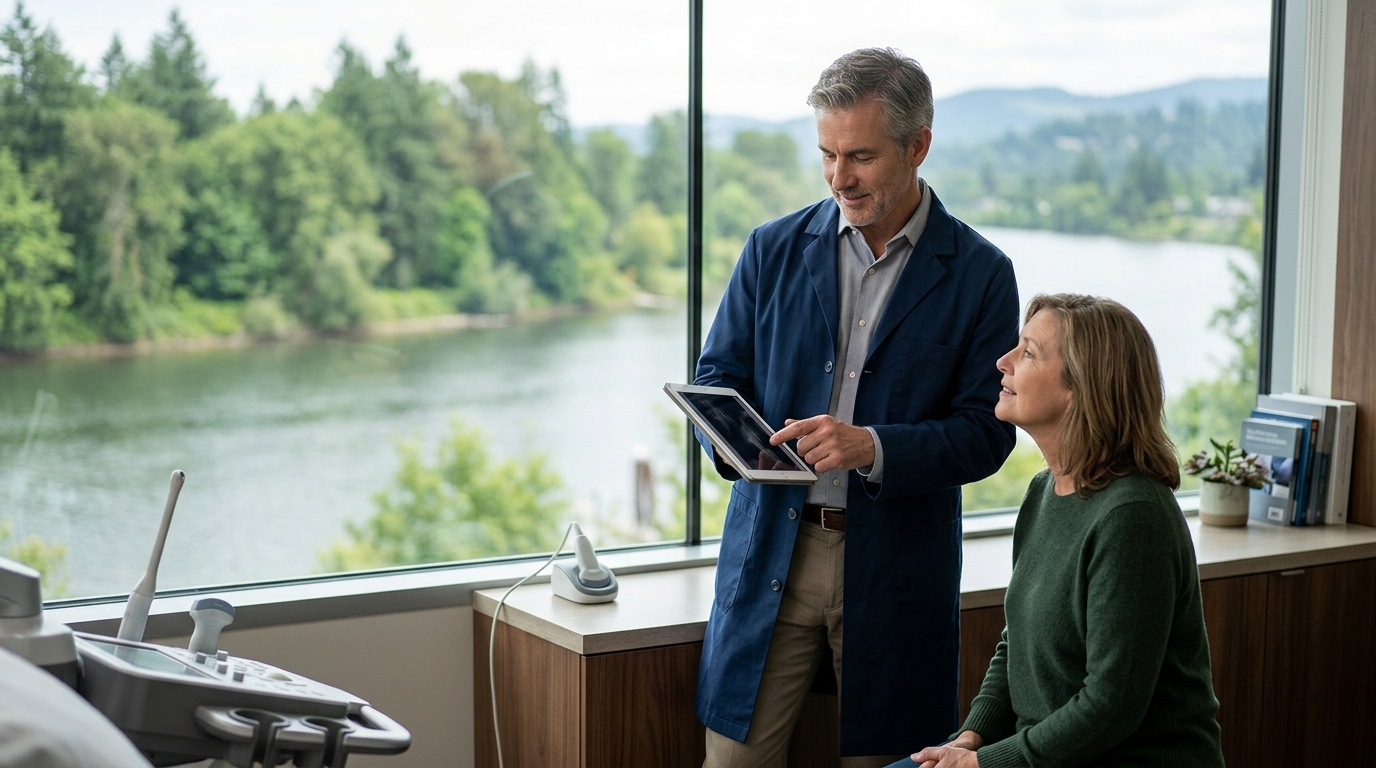
Ultrasound guidance has become the gold standard for many soft tissue injections. It allows the physician to visualize muscles, tendons, and ligaments in real-time, ensuring accurate placement of Platelet-Rich Plasma (PRP) or other biologics. This technology minimizes the risk of missing the target area and reduces patient discomfort. Ultrasound expertise is essential for safe and effective regenerative injections. Providers who invest in high-resolution ultrasound equipment demonstrate a commitment to precision and patient safety.
Fluoroscopy for Spinal and Joint Care
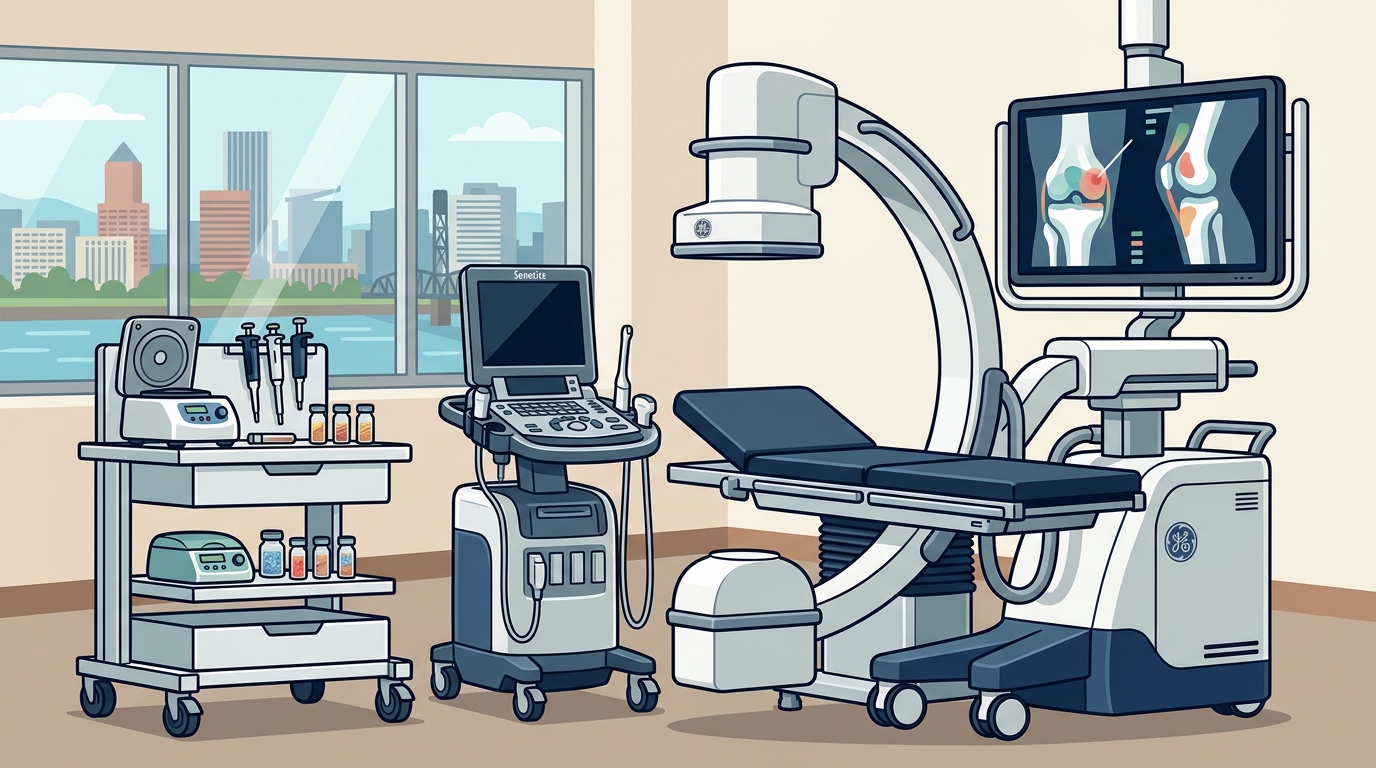
For deeper structures, such as the spine or complex joint spaces, fluoroscopy provides a different type of real-time X-ray imaging. This modality is particularly useful for spine injections and certain hip procedures where bony landmarks are critical for navigation. A specialist who offers both ultrasound and fluoroscopy capabilities can tailor the approach to the specific anatomical needs of the patient. This versatility is a key indicator of a comprehensive orthopedic practice.
Key Therapies Offered by Local Experts
Regenerative orthopedics specialists in Portland offer a variety of therapies designed to address different types of musculoskeletal injuries. Understanding these options can help you make an informed decision about your care.
Platelet-Rich Plasma (PRP) Therapy
PRP therapy involves drawing a small amount of the patient's blood, processing it to concentrate the platelets, and injecting it into the injured area. Platelets are rich in growth factors that stimulate healing. This therapy is commonly used for tendon injuries, such as tennis elbow or Achilles tendinitis, as well as for osteoarthritis. The concentration of growth factors in PRP can significantly accelerate the body's natural repair process.
Stem Cell Therapy
Stem cell therapy utilizes mesenchymal stem cells, often derived from adipose (fat) tissue or bone marrow, to promote tissue regeneration. These cells have the unique ability to differentiate into various cell types, including cartilage and bone. Stem cell therapy is a regenerative treatment that uses multipotent cells to repair damaged tissues. While research is ongoing, many patients report significant improvements in pain and function after undergoing this procedure for joint degeneration.
Prolotherapy
Prolotherapy involves injecting an irritant solution, such as dextrose, into ligaments and tendons to stimulate an inflammatory healing response. This process strengthens the connective tissue and stabilizes the joint. It is often used for chronic joint instability and ligament laxity. Prolotherapy is a cost-effective option that can be combined with other biologic agents for enhanced results.
Comparison of Regenerative Options
Choosing the right therapy depends on the specific diagnosis, the severity of the condition, and the patient's overall health. The following table compares the primary regenerative options available at specialist clinics in Portland.
| Therapy | Source of Cells | Best For | Typical Recovery Time |
|---|---|---|---|
| PRP Therapy | Patient's own blood | Tendon injuries, mild to moderate osteoarthritis | 1-2 weeks for initial healing |
| Stem Cell Therapy | Adipose tissue or bone marrow | Severe osteoarthritis, cartilage defects | 2-4 weeks for significant improvement |
| Prolotherapy | Irritant solution (e.g., dextrose) | Ligament laxity, joint instability | 1-3 weeks per session |
| Fluoroscopy-Guided Injections | Varies (PRP, steroids, etc.) | Spinal pain, deep joint structures | Varies by injection type |
Key Takeaways
- Specialist Location: Oregon Regenerative Medicine is located inside the historic Foundry Building at Oswego Pointe, serving as a primary hub for regenerative care in Portland.
- Experience: The practice has been serving the Portland community for over 30 years, indicating long-term stability and expertise in the field.
- Medical Team: Care is provided by a multidisciplinary team including Dr. Noel Peterson, Dr. Kristian Flores, Dr. Stacey Guggino, and Dr. Terry Manning II, who bring diverse credentials in naturopathic and allopathic medicine.
- Technology: Specialists utilize both ultrasound and fluoroscopy guidance to ensure precise delivery of therapies, which is critical for treatment efficacy.
- Therapy Range: Available treatments include PRP, stem cell therapy, prolotherapy, and bioidentical hormone replacement, addressing a wide spectrum of musculoskeletal issues.
- Research Focus: The clinic emphasizes evidence-based practice, providing patients with access to the latest research articles on regenerative medicine.
- Contact: Patients can schedule consultations by calling (503) 636-2734 or visiting their contact page online.
Frequently Asked Questions
What is the difference between PRP and stem cell therapy?
PRP uses concentrated platelets from your own blood to release growth factors that stimulate healing. Stem cell therapy uses multipotent cells, often from fat or bone marrow, which have the potential to differentiate into various tissue types. Stem cell therapy is generally considered more potent for severe tissue damage, while PRP is effective for moderate injuries.
Is regenerative orthopedics covered by insurance?
Coverage varies significantly by provider and plan. Many regenerative therapies, such as PRP and stem cell injections, are often considered elective or experimental and may not be fully covered. It is recommended to contact your insurance provider directly and consult with the clinic's billing staff to understand potential out-of-pocket costs.
How do I know if I am a candidate for regenerative medicine?
Candidates are typically individuals with chronic joint pain, tendon injuries, or early-stage arthritis who have not found relief with conservative treatments like physical therapy or anti-inflammatory medications. A consultation with a specialist will involve a physical exam and imaging to determine if your condition is suitable for biologic intervention.
What should I expect during the first visit?
During your initial consultation, the physician will review your medical history, perform a physical examination, and likely order imaging studies such as X-rays or MRIs. They will then discuss your diagnosis and recommend a personalized treatment plan based on your specific needs and goals.
How long does it take to see results from PRP therapy?
Results from PRP therapy are not immediate. The healing process takes time, and most patients begin to notice improvements within 4 to 6 weeks. Full benefits may continue to develop over several months as the tissue regenerates. Multiple sessions may be required for optimal outcomes.
Are there any risks associated with stem cell therapy?
While stem cell therapy is generally safe, as it uses the patient's own cells, there are potential risks such as infection, bleeding, or pain at the injection site. It is crucial to choose a qualified specialist who follows strict sterile protocols and uses FDA-compliant processing methods to minimize these risks.
Can I combine different regenerative therapies?
Yes, many specialists combine therapies for synergistic effects. For example, PRP may be used alongside prolotherapy to enhance the healing response. Your physician will determine the best combination based on the specific pathology and your body's response to previous treatments.
Contact a Specialist Today
If you are suffering from chronic pain and are looking for a regenerative orthopedics specialist near Portland, Oregon, taking the first step is crucial. Oregon Regenerative Medicine offers comprehensive evaluations and advanced treatment options tailored to your unique needs. Located in the heart of the city, their team of experts is dedicated to helping you regain your mobility and improve your quality of life.
Do not let pain dictate your daily activities. Contact Oregon Regenerative Medicine today to schedule your consultation. You can reach them at https://oregenmed.com/contact/ or call (503) 636-2734. Visit their home page to learn more about their services and team.