
Chronic joint pain often feels like an inevitable path toward surgery, but modern regenerative medicine offers a compelling alternative. According to recent orthopedic data, over 700,000 total knee replacements and 300,000 hip replacements are performed annually in the United States, yet a significant portion of these patients could have benefited from earlier non-surgical intervention. At Oregon Regenerative Medicine, we specialize in helping patients in Portland and the surrounding areas delay or completely avoid invasive joint replacement procedures through advanced biologic therapies.
The Role of Diagnostic Precision
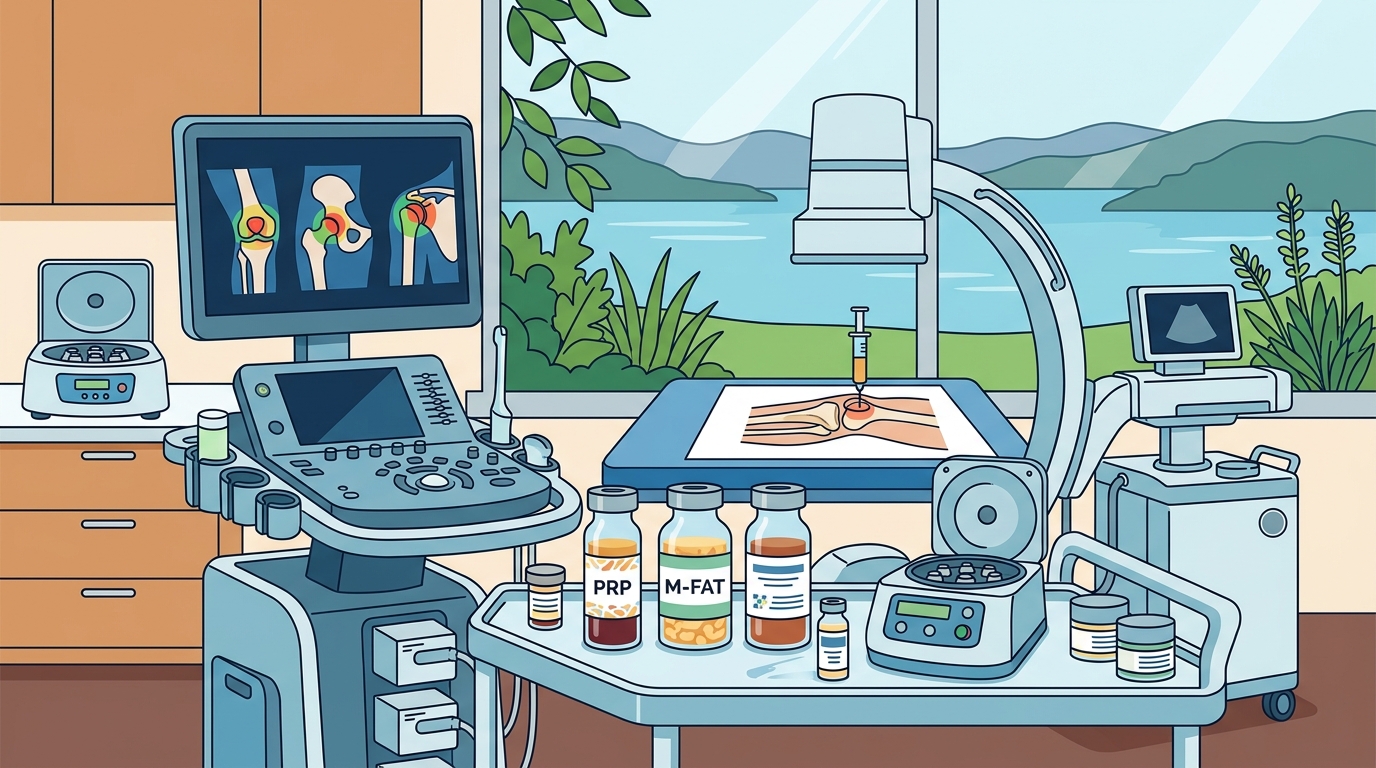
Before considering any treatment, accurate diagnosis is critical. Many patients assume they need surgery because of persistent pain, but the underlying cause might be soft tissue damage, inflammation, or early-stage degeneration that is highly treatable. Ultrasound expertise is a cornerstone of our approach at Oregon Regenerative Medicine. Seeing is believing, and real-time imaging allows us to visualize the exact source of pain without the delay of separate imaging appointments.
Ultrasound-guided injections ensure that therapeutic agents are delivered precisely to the affected tissue. This precision minimizes risk and maximizes efficacy. For spine-related pain that radiates to the limbs, we also utilize fluoroscopy-guided spine injections in Portland to address nerve compression issues that mimic joint pain. By identifying the true source of discomfort, we can tailor a regimen that targets the root cause rather than just masking symptoms.
Platelet-Rich Plasma (PRP) for Joint Repair
Platelet-Rich Plasma (PRP) is a non-surgical treatment that uses your body's own healing mechanisms to repair damaged joints. PRP is a concentrated solution of platelets derived from your blood, which contains growth factors that stimulate tissue repair and reduce inflammation. This therapy is particularly effective for osteoarthritis in the knee, hip, and shoulder.
Research supports the efficacy of PRP in treating knee osteoarthritis. A meta-analysis of randomized controlled trials published in the Journal of Orthopaedic Surgery and Research indicates that PRP injections can significantly reduce pain and improve function compared to placebo injections. The growth factors in PRP attract stem cells to the injury site, promoting the regeneration of cartilage and connective tissue.
For patients seeking a comprehensive overview of this modality, we provide the ultimate guide to PRP therapy on our website. This resource details the preparation process, expected recovery times, and long-term benefits of utilizing your biological resources for joint health.
Stem Cell Therapy and Regeneration
When PRP alone is insufficient, stem cell therapy offers a more potent regenerative option. Stem cell orthopedics involves the injection of mesenchymal stem cells (MSCs) or adipose-derived stem cells (ADSCs) to replace damaged tissue and modulate the immune response. Mesenchymal stem cells are multipotent stromal cells that can differentiate into a variety of cell types, including bone, cartilage, and fat.
Adipose biocellular therapy, a specialized form of stem cell treatment, utilizes fat tissue harvested from the patient to extract these regenerative cells. This method provides a high concentration of stem cells and growth factors. According to research on the regenerative capacity of adipose-derived stem cells, ADSCs show comparable or superior efficacy to traditional bone marrow-derived MSCs in joint repair scenarios.
We carefully evaluate each patient to determine if stem cell therapy is appropriate. It is crucial to understand the risks of stem cells and weigh them against the potential benefits. Our team ensures that all procedures are performed with the highest standards of safety and efficacy, leveraging the latest in biologic medicine.
Advanced A2M Therapy Explained
Another innovative option for joint preservation is Alpha-2-Macroglobulin (A2M) therapy. A2M is a large protein found in the blood that acts as a pan-protease inhibitor, meaning it can neutralize multiple types of enzymes that break down joint tissue. By injecting purified A2M into the joint, we can halt the degradation process and allow the body to heal naturally.
This therapy is particularly beneficial for patients with advanced osteoarthritis who are not yet candidates for replacement but are experiencing significant pain. A2M helps to restore the joint environment, reducing inflammation and pain while preserving existing cartilage. For more details on this cutting-edge treatment, visit our page on how A2M offers joint protection.
Comparing Non-Surgical Options
Choosing the right treatment depends on the severity of your condition, your activity level, and your personal health goals. Below is a comparison of the primary non-surgical options available at our Portland clinic.
| Treatment | Best For | Mechanism of Action | Recovery Time |
|---|---|---|---|
| PRP Therapy | Mild to moderate osteoarthritis, tendonitis | Releases growth factors to stimulate healing | Minimal; return to activity in 24-48 hours |
| Stem Cell Therapy | Severe degeneration, cartilage loss | Regenerates tissue and modulates inflammation | Short; gradual improvement over weeks |
| A2M Injection | Advanced arthritis, enzyme-mediated degradation | Inhibits enzymes that break down joint tissue | Minimal; immediate pain relief often reported |
| Prolotherapy | Ligament laxity, chronic pain | Stimulates inflammation to trigger healing response | Short; some soreness for a few days |
For patients with ligamentous instability, prolotherapy may be combined with PRP to strengthen the supportive structures around the joint. This multimodal approach ensures comprehensive care tailored to your specific anatomy.
Key Takeaways
- Early Intervention is Key: Seeking care before joint damage becomes severe significantly increases the likelihood of avoiding surgery.
- Precision Matters: Ultrasound-guided injections ensure accurate delivery of therapy, maximizing results and minimizing risks.
- Biologic Options are Diverse: From PRP to stem cells and A2M, there are multiple pathways to joint preservation.
- Expertise is Critical: The skill of the provider, such as the team at Oregon Regenerative Medicine, directly impacts treatment outcomes.
- Personalized Care: Each patient's treatment plan is unique, based on diagnostic imaging and individual health history.
- Proven Efficacy: Clinical studies support the use of PRP and stem cells for knee and hip osteoarthritis.
- Local Availability: High-quality regenerative medicine is available locally in Portland, reducing the need for travel to specialized centers.
Frequently Asked Questions
Can PRP therapy really help with knee pain?
Yes, numerous studies indicate that PRP can reduce pain and improve function in patients with knee osteoarthritis by leveraging your body's natural healing factors.
What is the difference between stem cells and PRP?
PRP uses growth factors from your platelets to stimulate healing, while stem cell therapy introduces regenerative cells that can differentiate into new tissue types for more extensive repair.
Is A2M therapy covered by insurance?
Insurance coverage for A2M and other regenerative therapies varies. We recommend contacting our office to discuss financial options and potential coverage for your specific plan.
How long does it take to see results from joint injections?
Results vary by individual and treatment type. Some patients feel relief immediately, while others may experience gradual improvement over several weeks as the tissue heals.
Who is a good candidate for avoiding joint replacement?
Patients with mild to moderate joint degeneration, those who want to delay surgery, or individuals who are not ideal surgical candidates are excellent candidates for regenerative therapies.
Do you offer consultations for shoulder pain?
Yes, we treat shoulder pain using the same diagnostic and therapeutic protocols, including ultrasound-guided injections and biologic therapies.
What makes Oregon Regenerative Medicine different?
We combine advanced diagnostic imaging, a team of experienced physicians, and a wide range of biologic therapies to provide comprehensive, personalized care in Portland.
Schedule Your Consultation
Do not let joint pain dictate your future. If you are experiencing shoulder, knee, or hip pain, take the first step toward a non-surgical solution. Our team at Oregon Regenerative Medicine is ready to evaluate your condition and create a personalized treatment plan. Contact us today to schedule your consultation and explore your options for avoiding joint replacement.