
Where to Find a Non-Surgical Orthopedic Specialist in Portland, Vancouver, and the Willamette Valley
Chronic joint pain and orthopedic injuries do not always require the operating room. According to recent orthopedic health data, approximately 80% of patients with knee osteoarthritis can manage their symptoms effectively through non-surgical interventions such as regenerative medicine, physical therapy, and targeted injections. This statistic highlights a critical shift in modern orthopedics, where preserving natural tissue is prioritized over immediate surgical replacement. For residents in Portland, Vancouver, and the broader Willamette Valley, accessing specialized care that focuses on joint regeneration and pain management is more accessible than ever.
Understanding Non-Surgical Orthopedic Options
When you experience persistent pain in your knees, hips, or shoulders, the traditional medical pathway often leads directly to surgery. However, a non-surgical orthopedic specialist focuses on diagnosing the root cause of the injury and utilizing advanced therapies to heal the body from within. This approach is particularly vital for individuals who want to avoid the risks associated with anesthesia, long recovery times, and potential complications from joint replacement.
Non-surgical orthopedics encompasses a wide range of disciplines. It includes diagnostic imaging to pinpoint issues, physical rehabilitation, and increasingly, biologic therapies. These therapies use the body's own healing mechanisms to repair damaged tissue. For patients in the Pacific Northwest, where active lifestyles are common, preserving joint function is essential for maintaining quality of life.
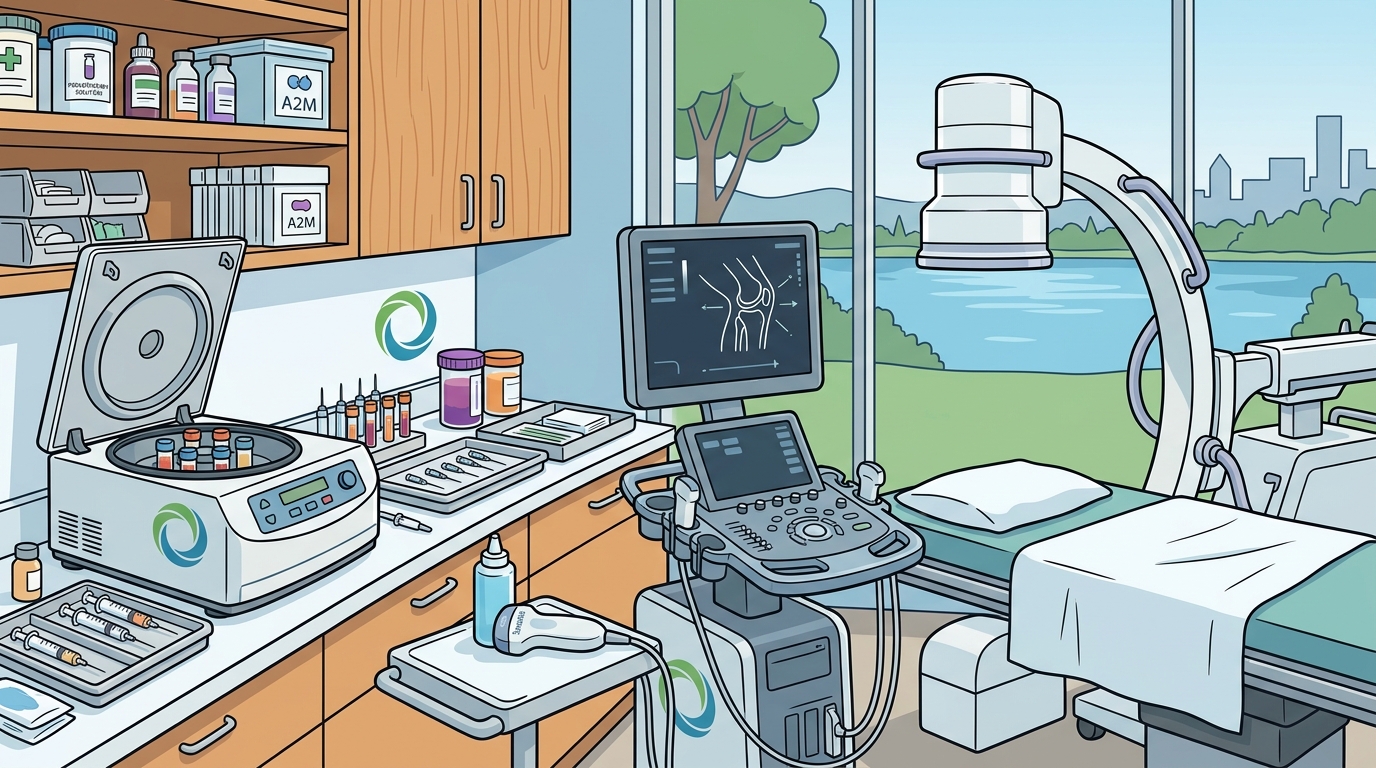
The field has evolved significantly over the last decade. Ultrasound guidance, for instance, has become a standard of care for precision injections. This technology allows specialists to see the needle in real-time, ensuring that treatments are delivered exactly where they are needed. This level of accuracy reduces side effects and improves outcomes for conditions like tendonitis and arthritis.
Why Regenerative Medicine Matters
Regenerative medicine represents the frontier of non-surgical orthopedics. It involves using biological substances to restore normal function to diseased or damaged tissues. Unlike traditional pain management, which often masks symptoms, regenerative therapies aim to heal the underlying structural damage.
Platelet-Rich Plasma (PRP) is one of the most widely used regenerative treatments. PRP is a concentration of a patient's own platelets, which contain growth factors that stimulate healing. When injected into a damaged joint or tendon, PRP can reduce inflammation and promote tissue repair. Research indicates that PRP can be particularly effective for knee osteoarthritis, offering pain relief that lasts for months or even years.
Another critical component is Stem Cell Therapy. Stem cells are undifferentiated cells that can develop into specialized cell types. In orthopedics, mesenchymal stem cells are often used to regenerate cartilage and bone. This therapy is particularly promising for patients with advanced degenerative conditions who wish to delay or avoid joint replacement surgery.
Adipose-derived stem cells are another powerful tool. These cells are harvested from the patient's own fat tissue and processed to isolate the regenerative components. This method provides a high concentration of stem cells and growth factors, making it a potent option for complex orthopedic injuries. The use of autologous (self-derived) cells minimizes the risk of rejection and immune response.
Choosing the Right Specialist in the Pacific Northwest
Finding a qualified non-surgical orthopedic specialist requires careful consideration of their credentials, experience, and treatment philosophy. In the Portland, Vancouver, and Willamette Valley regions, patients have access to some of the most advanced regenerative medicine clinics in the country.
Look for specialists who are board-certified and have specific training in interventional pain management or regenerative medicine. Physicians who hold dual qualifications, such as medical doctors with additional certifications in acupuncture or osteopathic manipulative medicine, often provide a more holistic approach to care. This multidisciplinary background allows them to address both the structural and functional aspects of pain.
Experience with ultrasound and fluoroscopy guidance is non-negotiable. These imaging techniques ensure that injections are placed accurately, maximizing efficacy and minimizing risk. Specialists who rely solely on anatomical landmarks without imaging guidance are less likely to achieve optimal results. Always ask about the technology used during procedures.
Additionally, consider the clinic's commitment to patient education. A good specialist will take the time to explain your diagnosis, discuss all available options, and help you make an informed decision. They should provide clear information about the risks, benefits, and expected outcomes of each treatment. Transparency is key to building trust and ensuring patient satisfaction.
Oregon Regenerative Medicine: A Regional Leader
For residents of Oregon and Southwest Washington, Oregon Regenerative Medicine stands out as a premier destination for non-surgical orthopedic care. Located in the historic Foundry Building at Oswego Pointe in Portland, the clinic has been serving the community for over 30 years. This long-standing presence reflects a deep commitment to excellence and innovation in regenerative medicine.
The team at Oregon Regenerative Medicine includes highly qualified physicians such as Dr. Noel Peterson, Dr. Kristian Flores, Dr. Stacey Guggino, and Dr. Terry Manning II. These doctors bring a wealth of experience in stem cell therapy, PRP, prolotherapy, and other advanced treatments. Their collective expertise ensures that patients receive personalized care tailored to their specific needs.
The clinic offers a comprehensive range of therapies, including Ketamine-Assisted Somatic Mindfulness (KASM) for pain and trauma, bioidentical hormone replacement therapy, and aesthetic regenerative medicine. This broad scope allows for a holistic approach to health, addressing not just the orthopedic issue but also the patient's overall well-being. For more information on their team, you can visit their Doctors page.
Ultrasound expertise is a cornerstone of their practice. As highlighted in their resources on ultrasound expertise, seeing is believing. The ability to visualize the injection site in real-time ensures precision and safety. This technology is particularly important for complex procedures such as fluoroscopy-guided spine injections, which are also available at the clinic. You can learn more about these procedures on their Fluoroscopy Guided Spine Injections page.
Oregon Regenerative Medicine also emphasizes the importance of research. They maintain a library of research articles on regenerative medicine to keep patients informed about the latest scientific advancements. This commitment to evidence-based practice ensures that patients receive treatments that are supported by rigorous clinical data.
Comparison of Non-Surgical Treatments
Understanding the differences between various non-surgical treatments is essential for making an informed decision. The table below provides a comparative overview of common therapies offered by non-surgical orthopedic specialists.
| Treatment | Primary Mechanism | Best For | Recovery Time |
|---|---|---|---|
| Platelet-Rich Plasma (PRP) | Releases growth factors to stimulate healing | Tendonitis, mild to moderate osteoarthritis | Minimal; return to activity in 24-48 hours |
| Stem Cell Therapy | Regenerates damaged tissue using stem cells | Advanced osteoarthritis, cartilage defects | Short; gradual improvement over weeks |
| Prolotherapy | Induces inflammation to trigger healing response | Ligament laxity, chronic joint pain | Minimal; mild soreness for a few days |
| Ketamine-Assisted Somatic Mindfulness | Modulates pain perception and trauma response | Chronic pain, PTSD, complex regional pain syndrome | Varies; requires monitoring during session |
Each treatment has its own indications and contraindications. A thorough evaluation by a specialist is necessary to determine the most appropriate option for your specific condition. Factors such as the severity of the injury, your overall health, and your lifestyle goals will influence the recommendation.
Key Takeaways
- Non-surgical orthopedic care offers effective alternatives to surgery for many joint and soft tissue injuries.
- Regenerative medicine, including PRP and stem cell therapy, focuses on healing damaged tissue rather than just masking pain.
- Ultrasound and fluoroscopy guidance are critical for ensuring precision and safety during injections.
- Oregon Regenerative Medicine has served the Portland and Willamette Valley regions for over 30 years.
- Board-certified specialists with multidisciplinary training provide the most comprehensive care.
- Patients should seek clinics that prioritize research and evidence-based practices.
- Early intervention with non-surgical options can often delay or prevent the need for joint replacement.
Frequently Asked Questions
What is the difference between a non-surgical orthopedic specialist and a regular orthopedist?
A non-surgical orthopedic specialist focuses exclusively on conservative treatments such as injections, physical therapy, and regenerative medicine. They do not perform surgery, allowing them to dedicate their practice to maximizing the efficacy of non-invasive options. Regular orthopedists may perform surgery but also offer conservative care.
Is PRP therapy covered by insurance?
Insurance coverage for PRP therapy varies by provider and plan. Many insurance companies consider PRP an experimental or cosmetic procedure, which may not be covered. However, some plans may cover it for specific indications. It is best to check with your insurance provider directly.
How long does it take to see results from stem cell therapy?
Results from stem cell therapy are not immediate. The healing process takes time as the body integrates the cells and begins to regenerate tissue. Most patients start to notice improvements within 4 to 6 weeks, with continued improvement over several months.
Are there any risks associated with regenerative medicine?
Regenerative medicine is generally safe because it uses the patient's own biological materials. However, as with any injection, there is a small risk of infection, bleeding, or nerve damage. Using ultrasound guidance significantly reduces these risks.
Can I find a non-surgical orthopedic specialist in Vancouver, Washington?
Yes, while many specialists are based in Portland, they often serve patients in Vancouver and the surrounding areas. Oregon Regenerative Medicine, for example, is conveniently located near the border and serves patients from both Oregon and Southwest Washington.
What should I expect during a consultation?
During a consultation, the specialist will review your medical history, perform a physical examination, and likely order imaging studies such as X-rays or MRIs. They will then discuss your diagnosis and recommend a personalized treatment plan based on your needs and goals.
How many PRP treatments do I need?
The number of PRP treatments varies depending on the condition and its severity. Some patients experience relief after a single injection, while others may require a series of 2 to 3 injections spaced several weeks apart. Your specialist will determine the optimal protocol for you.
Schedule Your Consultation
If you are suffering from chronic pain or an orthopedic injury, do not wait until surgery is the only option. Take control of your health by consulting with a non-surgical orthopedic specialist who can offer advanced regenerative treatments. Oregon Regenerative Medicine is dedicated to helping patients in Portland, Vancouver, and the Willamette Valley achieve lasting relief and improved mobility.
Contact the team today to schedule your evaluation. You can reach them by phone at (503) 636-2734 or visit their Contact page to learn more about their services and how they can help you on your path to recovery.