
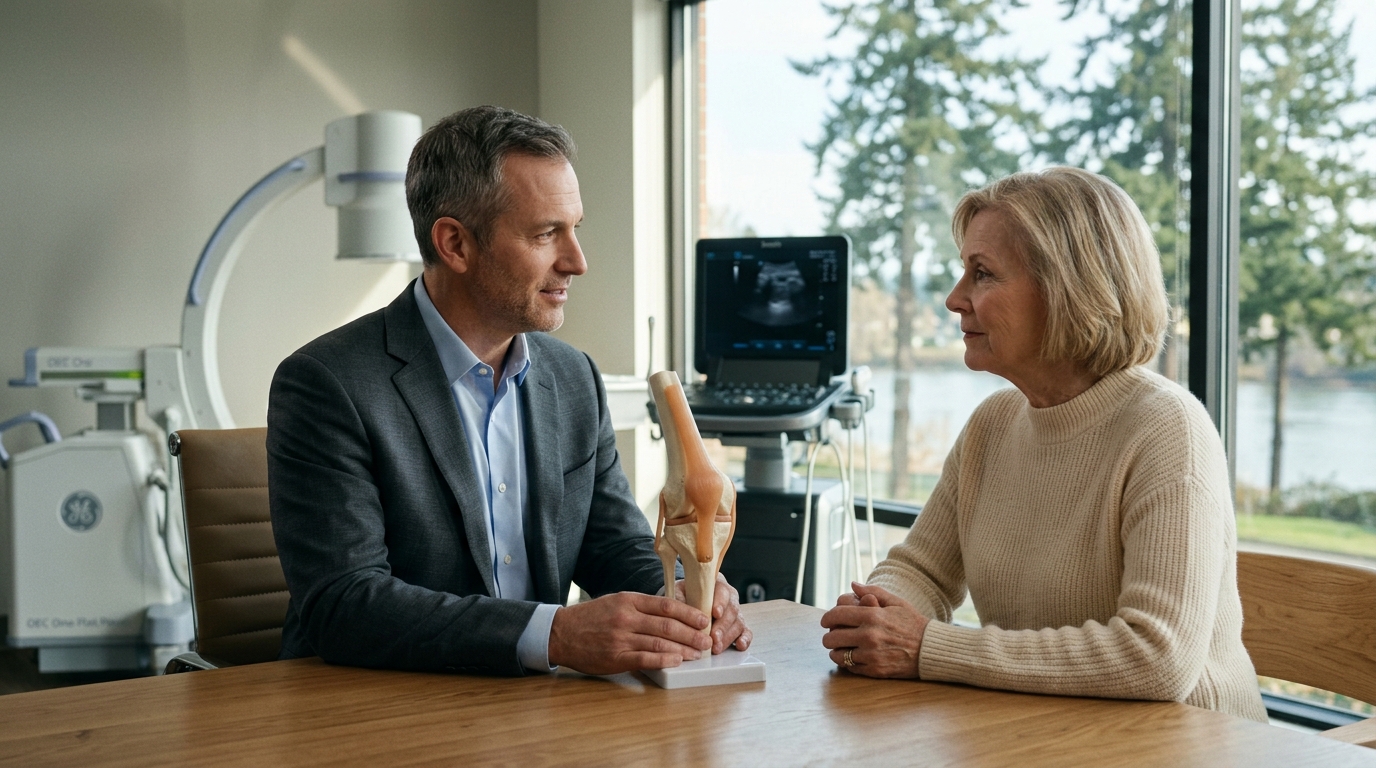
Regenerative medicine has evolved from experimental therapy to a mainstream solution for chronic joint pain. According to recent clinical data, the global regenerative medicine market is projected to grow significantly, with knee osteoarthritis treatments leading the charge. Patients are increasingly seeking alternatives to surgery, but the lack of standardized regulation creates a complex landscape. Finding a provider who combines clinical expertise with advanced imaging technology is the single most critical factor in achieving successful outcomes. This guide outlines the essential criteria for vetting specialists in biocellular joint regeneration.
Understanding Biocellular Therapy
Biocellular joint regeneration represents a sophisticated tier of regenerative medicine. It goes beyond standard Platelet-Rich Plasma (PRP) by utilizing adipose-derived stem cells and other biocellular components to actively repair tissue. Biocellular therapy is a medical procedure that uses living cells to stimulate tissue repair and reduce inflammation. This approach is particularly effective for patients with moderate to severe osteoarthritis who have not found relief with conservative treatments.
Patients often confuse biocellular therapy with simpler injections. While PRP concentrates growth factors from your own blood, biocellular treatments harness the regenerative potential of stem cells. This distinction is vital for setting realistic expectations. The goal is not just pain masking but structural improvement in the joint environment. Providers who specialize in this niche typically offer a broader range of therapies, including stem cell orthopedics and prolotherapy.
For a deeper understanding of the scientific basis, you can review additional research articles on regenerative medicine to see how these therapies compare in clinical efficacy. Understanding the biological mechanism helps patients ask the right questions during their initial consultation.
Verifying Medical Credentials
The first step in finding a qualified provider is verifying their medical background. Regenerative medicine is a medical practice, not a wellness service. Therefore, the provider must be a licensed medical doctor or a qualified naturopathic doctor with advanced training in pain management.
Certification in Pain Management
Look for board certification in physical medicine and rehabilitation or pain management. Providers with credentials such as DAAPM (Diplomate of the American Academy of Pain Management) have undergone rigorous peer review. This certification ensures they meet high standards for diagnostic accuracy and treatment safety.
Specialized Training in Regenerative Medicine
General practitioners may offer injections, but specialized training is required for complex biocellular procedures. Check if the provider has completed fellowships or advanced courses in stem cell therapy and PRP. At Oregon Regenerative Medicine, the team includes doctors with diverse backgrounds in naturopathic medicine, osteopathic medicine, and somatic mindfulness, ensuring a holistic approach to care.

The Role of Ultrasound and Fluoroscopy
Accuracy in injection placement is the difference between a successful treatment and a wasted opportunity. Blind injections rely on anatomical landmarks, which can vary significantly between patients. Qualified providers use real-time imaging to guide their needles.
Ultrasound Guidance
Ultrasound allows the provider to see soft tissues, nerves, and blood vessels in real time. This visibility ensures that the biocellular material is placed exactly where it is needed. Ultrasound expertise is critical for avoiding nerve damage and ensuring therapeutic efficacy. Providers who invest in high-quality ultrasound technology demonstrate a commitment to precision and patient safety.
For more insights on why imaging matters, read Seeing Is Believing: Why Ultrasound Expertise Matters. This resource explains how visual guidance accelerates healing and reduces the risk of complications.
Fluoroscopy for Spinal and Deep Joint Issues
For spinal injections or deep joint structures, fluoroscopy (live X-ray) is often the gold standard. It provides a clear view of bony landmarks and contrast flow. If your condition involves the spine, ensure your provider offers fluoroscopy-guided spine injections in Portland. This technology is essential for treating complex spinal pathologies safely.
Evaluating Treatment Protocols
Not all biocellular treatments are created equal. The preparation method, cell concentration, and activation process vary widely among providers. A qualified provider will explain their specific protocol in detail during the consultation.
Adipose-Derived Stem Cells
Adipose-derived stem cells (ADSCs) are harvested from the patient's own fat tissue. These cells have a high regenerative capacity and can differentiate into various tissue types. Adipose biocellular therapy is a process that harvests and processes fat tissue to isolate regenerative cells. The quality of the processing equipment and the sterile environment are crucial for safety and efficacy.
A2M and Adjunct Therapies
Some providers use adjunct therapies to enhance results. Aminomethylbenzoic acid (A2M) is a molecule that inhibits proteolytic enzymes, protecting cartilage from further breakdown. Understanding how A2M works can help you evaluate if a provider is using advanced, evidence-based protocols.
Comprehensive Care Plans
A qualified provider does not just offer an injection. They create a comprehensive care plan that includes physical therapy, lifestyle modifications, and follow-up imaging. Look for providers who integrate functional medicine and aesthetic arts to address the whole patient. This holistic approach ensures long-term joint health and pain management.
Comparing Treatment Options
Patients often face a choice between different regenerative therapies. Understanding the differences helps in making an informed decision. The table below summarizes the key distinctions between common options.
| Treatment Type | Source | Best For | Recovery Time |
|---|---|---|---|
| Platelet-Rich Plasma (PRP) | Patient's Blood | Mild to moderate arthritis, tendon injuries | 1-2 weeks |
| Adipose Biocellular | Patient's Fat Tissue | Severe arthritis, cartilage loss | 2-4 weeks |
| Prolotherapy | Irritant Solution | Ligament laxity, chronic pain | 1-2 weeks |
| Stem Cell Orthopedics | Stem Cells | Complex joint degeneration | 3-6 weeks |
Choosing the right option depends on the severity of your condition, your overall health, and your recovery goals. A qualified provider will perform a thorough diagnostic workup before recommending a specific path.
Key Takeaways
- Credentials Matter: Seek providers with board certification in pain management or regenerative medicine.
- Imaging is Essential: Ensure the provider uses real-time ultrasound or fluoroscopy for all injections.
- Biocellular vs. PRP: Biocellular therapy uses stem cells for deeper repair, while PRP uses growth factors for inflammation.
- Holistic Approach: Look for providers who integrate functional medicine and physical therapy into their care plans.
- Experience Counts: Providers with over 30 years of experience, like those at Oregon Regenerative Medicine, offer proven methodologies.
- Consultation is Key: A thorough consultation should include a detailed review of your medical history and imaging.
- Follow-Up Care: Successful outcomes require a structured rehabilitation plan post-treatment.
Frequently Asked Questions
What is the difference between PRP and biocellular therapy?
PRP uses concentrated platelets from your blood to reduce inflammation and promote healing. Biocellular therapy uses stem cells harvested from your fat tissue to actively regenerate damaged tissue. Biocellular therapy is generally considered more potent for severe joint degeneration.
How do I know if a provider is qualified?
Check for board certification in pain management or regenerative medicine. Verify that they use real-time imaging like ultrasound or fluoroscopy. Review their patient testimonials and years of experience in the field.
Is biocellular therapy covered by insurance?
Most insurance plans do not cover regenerative medicine procedures as they are often considered experimental or elective. However, some providers may offer financing options or flexible payment plans to make treatment accessible.
What is the recovery time for biocellular joint treatments?
Recovery time varies depending on the specific treatment and the extent of the injury. Generally, patients can expect 2 to 4 weeks of reduced activity. Full benefits may take 3 to 6 months to manifest as the tissue regenerates.
Are there risks associated with biocellular therapy?
As with any medical procedure, there are risks such as infection or bleeding. However, using autologous (self-derived) cells minimizes the risk of rejection. Choosing a qualified provider who follows strict sterile protocols significantly reduces these risks.
How long do the results last?
Results can last several years, depending on the patient's lifestyle, activity level, and the severity of the initial condition. Many patients experience significant pain relief and improved function for 5 to 10 years or more.
What should I ask during my consultation?
Ask about the provider's specific protocol, the imaging technology they use, their success rates, and the expected recovery timeline. Also, inquire about any adjunct therapies they recommend to enhance results.
Schedule Your Consultation
Finding a qualified provider for biocellular joint treatments is the first step toward reclaiming your mobility and reducing pain. By prioritizing credentials, imaging technology, and comprehensive care, you can ensure the best possible outcome. If you are in the Portland area, consider visiting Oregon Regenerative Medicine for a personalized evaluation. Their team of experts is dedicated to helping you achieve lasting relief through advanced regenerative therapies. Contact them today to schedule your consultation and take the first step toward a pain-free future.