

Chronic joint pain affects millions of individuals who seek relief beyond traditional pharmaceutical interventions. Biocellular joint regeneration represents a significant advancement in orthopedic care, utilizing the body's own healing mechanisms to repair damaged tissue. According to recent clinical data, regenerative therapies have seen a substantial increase in adoption among patients with degenerative joint conditions, offering a viable alternative to invasive surgery for many. This guide details the specific medical conditions that respond best to these advanced treatments.
What Is Biocellular Joint Regeneration?
Biocellular joint regeneration is a specialized medical protocol that combines Platelet-Rich Plasma (PRP) with adipose-derived stem cells to accelerate tissue healing. Unlike standard PRP, which relies solely on platelets, biocellular therapy introduces mesenchymal stem cells that can differentiate into various tissue types. This approach targets the root cause of joint degeneration rather than merely masking symptoms.
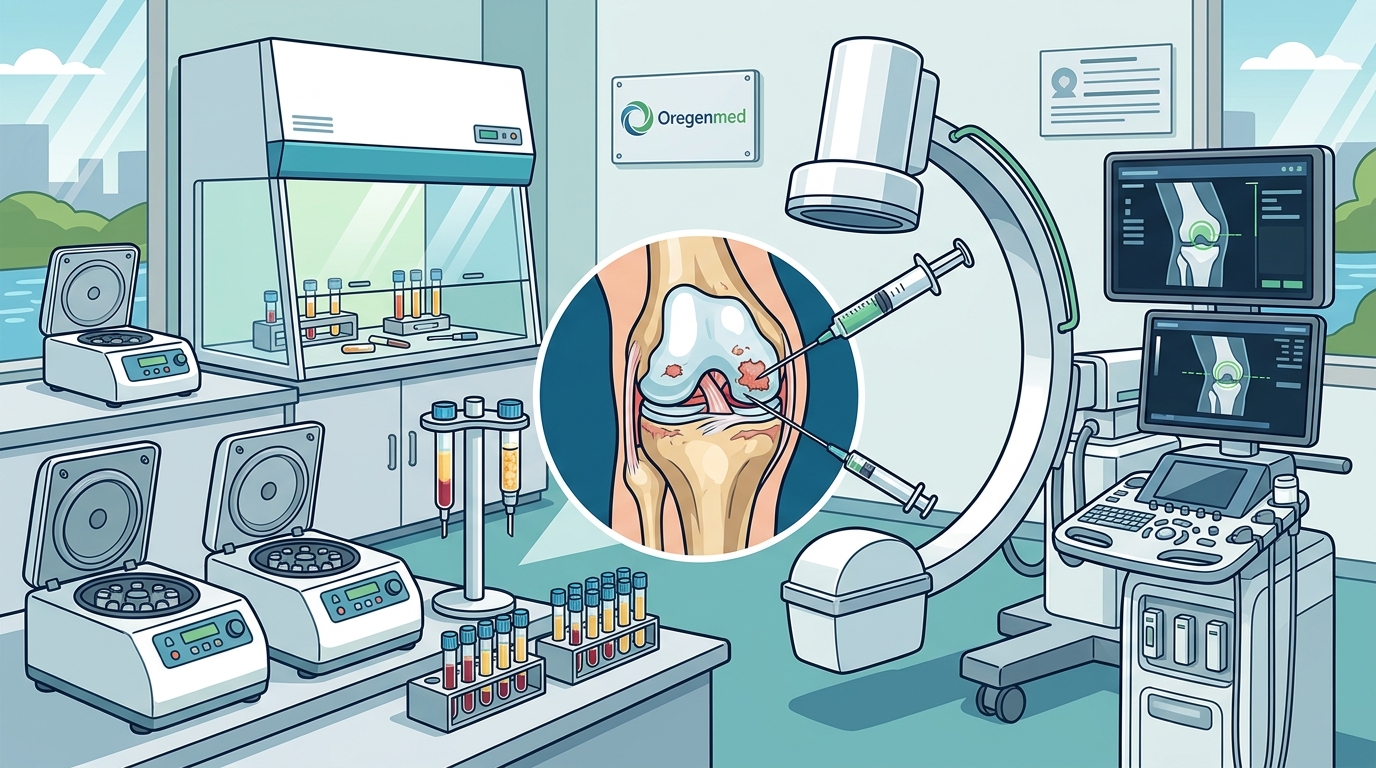
The procedure typically involves harvesting adipose tissue, processing it to isolate the stem cells, and injecting the biocellular matrix directly into the affected joint or soft tissue. At Oregon Regenerative Medicine, this therapy is performed with precision to ensure maximum cellular viability and therapeutic impact.
Treating Osteoarthritis and Cartilage Loss
Osteoarthritis is the most common form of arthritis, characterized by the breakdown of cartilage in the joints. This condition leads to pain, stiffness, and reduced mobility, particularly in the knees, hips, and shoulders. Biocellular joint regeneration is highly effective for early to moderate stages of osteoarthritis.
Research indicates that stem cell therapy can help slow the progression of cartilage degeneration. By introducing regenerative cells directly into the joint space, the therapy stimulates the body's natural repair processes. Patients often report reduced inflammation and improved joint function after undergoing this treatment. For more details on stem cell orthopedics, consult our specialized resources.
Tendon and Ligament Pathology
Tendons and ligaments are connective tissues that attach muscles to bones and bones to other bones, respectively. Injuries to these structures, such as tears or chronic tendinopathy, can be difficult to heal due to limited blood supply. Biocellular therapy addresses this by delivering a high concentration of growth factors and stem cells to the injured area.
Common conditions treated include:
- Tennis Elbow (Lateral Epicondylitis): Chronic inflammation of the tendons on the outside of the elbow.
- Golfer's Elbow (Medial Epicondylitis): Pain and inflammation on the inside of the elbow.
- Rotator Cuff Tears: Partial or full-thickness tears in the shoulder muscles.
- Achilles Tendinopathy: Degeneration of the Achilles tendon, often causing heel pain.
Ultrasound guidance is critical in these procedures to ensure accurate placement of the biocellular matrix. Ultrasound expertise allows providers to visualize the tissue in real-time, minimizing risk and maximizing efficacy.
Spine and Disc Degeneration
Spinal conditions, including herniated discs and facet joint arthritis, are significant sources of chronic pain. Biocellular joint regeneration can be applied to the spine to reduce inflammation and promote disc hydration. This non-surgical approach is particularly beneficial for patients who wish to avoid spinal fusion or other invasive surgeries.
Fluoroscopy-guided spine injections provide an additional layer of precision for spinal treatments. By using live X-ray imaging, providers can accurately target the affected nerve roots or disc spaces. Learn more about fluoroscopy-guided spine injections to understand how this technology enhances treatment outcomes.
PRP vs. Biocellular Therapy
Understanding the difference between Platelet-Rich Plasma (PRP) and biocellular therapy is essential for making an informed decision. While both treatments utilize the body's healing potential, they differ in cellular composition and therapeutic depth.
| Feature | PRP Therapy | Biocellular Therapy |
|---|---|---|
| Primary Component | Concentrated Platelets | Platelets + Adipose Stem Cells |
| Regenerative Capacity | Moderate | High |
| Best For | Mild inflammation, minor tears | Severe degeneration, cartilage loss |
| Source | Patient's Blood | Patient's Adipose Tissue |
For a deeper dive into the benefits of each, review our ultimate guide to PRP therapy and compare it with our biocellular protocols.
Key Takeaways
- Biocellular joint regeneration combines PRP with adipose-derived stem cells for enhanced healing.
- It is highly effective for treating osteoarthritis, tendon tears, and ligament injuries.
- Ultrasound and fluoroscopy guidance ensure precise delivery of the therapy.
- Oregon Regenerative Medicine offers specialized care in Portland, Oregon.
- Patients with chronic pain may find relief without undergoing invasive surgery.
- Adipose biocellular therapy targets the root cause of joint degeneration.
- Consultation with a specialist is necessary to determine candidacy for treatment.
Frequently Asked Questions
Is biocellular joint regeneration covered by insurance?
Most insurance plans do not cover regenerative medicine procedures as they are often considered elective. However, patients can explore financing options through providers like Oregon Regenerative Medicine.
How long does the procedure take?
The entire process, including harvesting and processing, typically takes about 60 to 90 minutes. The actual injection time is much shorter.
What is the recovery time?
Recovery varies by patient and condition. Most individuals experience mild soreness for a few days and can return to light activities within a week. Full therapeutic effects may take several months.
Are there any risks associated with biocellular therapy?
As with any injection, there are minor risks such as infection or bleeding. However, using the patient's own cells minimizes the risk of rejection or allergic reaction.
Who is a good candidate for this treatment?
Good candidates are individuals with chronic joint pain, degenerative conditions, or soft tissue injuries who have not found relief with conservative treatments.
Can biocellular therapy cure arthritis?
While it cannot cure arthritis, it can significantly reduce symptoms and slow disease progression by promoting tissue repair and reducing inflammation.
How many treatments are needed?
Many patients see improvement after a single treatment. However, some may require a series of injections for optimal results, depending on the severity of the condition.
Schedule Your Consultation
If you are suffering from chronic joint pain, biocellular joint regeneration may offer the relief you have been seeking. Our team of specialists at Oregon Regenerative Medicine is dedicated to providing personalized care and advanced therapeutic options. Contact us today to schedule your consultation and explore your treatment options.