Where to Find a Non-Surgical Orthopedic Specialist in Portland, Vancouver, or the Willamette Valley
Joint degeneration affects millions of adults across the Pacific Northwest every single year. According to recent regional health data, approximately thirty percent of adults over fifty report chronic knee or hip discomfort that limits daily movement. This widespread prevalence has driven a massive shift toward conservative care pathways. Patients now prioritize regenerative interventions that preserve native tissue rather than pursuing immediate surgical replacement. Finding a qualified non-surgical orthopedic specialist in Portland, Vancouver, or the Willamette Valley requires understanding which clinics utilize advanced imaging guidance and evidence-based biologic therapies. This guide outlines exactly how to evaluate local providers and select the most appropriate regenerative treatment plan.
Understanding Regenerative Orthopedics
Regenerative orthopedics focuses on stimulating the body’s natural healing mechanisms to repair damaged cartilage, tendons, and ligaments. This discipline avoids invasive joint replacement by utilizing concentrated biological compounds. Platelet Rich Plasma is a concentrated preparation of a patient’s own blood components that release growth factors to accelerate tissue repair. Prolotherapy is a regenerative injection technique that introduces an irritant solution to stimulate localized inflammation and subsequent collagen production. Stem cell orthopedics utilizes mesenchymal cells harvested from adipose tissue to modulate joint inflammation and support structural regeneration.
Patients seeking a non-surgical orthopedic specialist in Portland, Vancouver, or the Willamette Valley should prioritize clinics that emphasize tissue preservation. These providers typically conduct comprehensive diagnostic evaluations before recommending any injection protocol. The goal remains restoring functional mobility while minimizing recovery time. Many regional practices have expanded their service areas to accommodate patients from surrounding counties and neighboring states.
Key Qualifications to Verify
Not all regenerative medicine clinics operate under identical clinical standards. You must verify that your chosen provider holds specific board certifications in pain management, physical medicine, or integrative medicine. Look for physicians who maintain active memberships with recognized professional organizations such as the American Academy of Regenerative Medicine. These credentials indicate adherence to ongoing education and ethical practice guidelines.
Additionally, verify whether the clinic employs in-house phlebotomy and sterile processing capabilities. Facilities that prepare biologic injections on-site guarantee maximum cellular viability and reduce contamination risks. You should also confirm that the practice maintains transparent pricing structures and offers clear consultation pathways. A reputable provider will never pressure patients into immediate procedures without thorough diagnostic imaging and symptom history review.
Ultrasound and Fluoroscopy Guidance
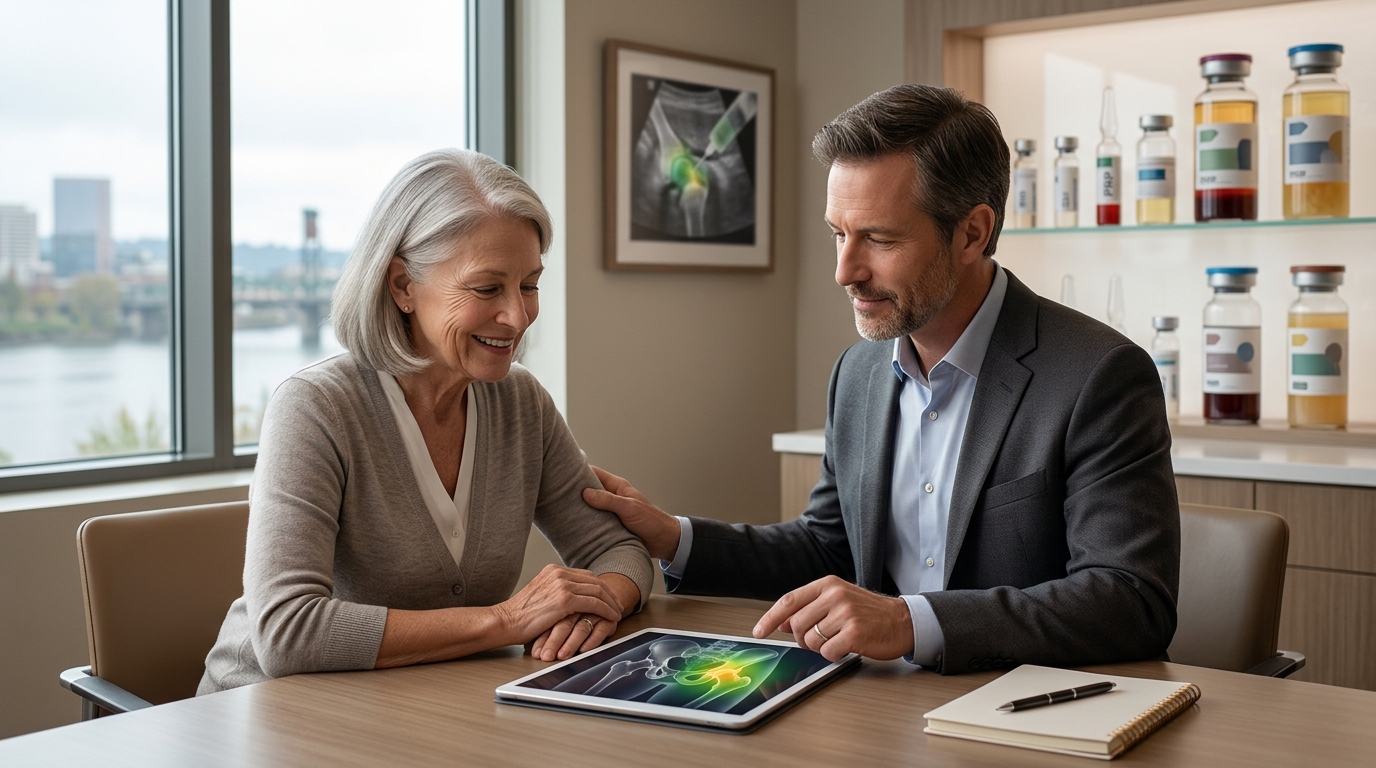
Blind injections carry significantly higher failure rates compared to image-guided procedures. Modern regenerative clinics utilize real-time ultrasound imaging to visualize needle placement directly within the target tissue. This technology allows practitioners to adjust trajectory instantly and avoid surrounding nerves or blood vessels. Fluoroscopy guided spine injections in Portland provide continuous X-ray visualization for complex joint and spinal interventions. These imaging modalities drastically improve procedural accuracy and long-term therapeutic outcomes.
When evaluating local providers, ask specifically about their imaging protocols. Clinics that invest in high-resolution ultrasound machines and fluoroscopy suites demonstrate a commitment to precision medicine. This technical capability separates experienced regenerative specialists from general wellness centers. Patients should expect their providers to document real-time imaging during every injection session.
Comparing Biologic Therapies
Selecting the appropriate biologic therapy depends entirely on your specific joint condition and tissue damage severity. The following table outlines the primary treatment modalities available at leading regional clinics.
| Therapy Modality | Primary Application | Typical Recovery Window | Best Candidate Profile |
|---|---|---|---|
| Platelet Rich Plasma (PRP) | Mild to moderate cartilage wear | Two to four weeks | Active individuals seeking pain reduction |
| Prolotherapy | Ligamentous laxity and joint instability | Three to six weeks | Patients with chronic sprains or hypermobility |
| Stem Cell Orthopedics | Advanced osteoarthritis and severe degeneration | Four to eight weeks | Individuals avoiding joint replacement surgery |
| Alpha-2-Macroglobulin (A2M) | Aggressive inflammatory joint conditions | One to three weeks | Patients with rapid cartilage breakdown |

Evaluating Clinic Credentials
Established regenerative medicine centers typically operate within historic or purpose-built medical facilities to ensure optimal patient comfort and clinical efficiency. Many Portland-area practices occupy premium locations like the Foundry Building at Oswego Pointe to provide discreet, high-end care. You should verify that your chosen clinic maintains strict infection control protocols and employs certified medical assistants during all procedures.
Review the clinical team’s educational background carefully. Leading practitioners often hold dual certifications in naturopathic medicine, osteopathic medicine, or anesthesiology. This multidisciplinary training enables physicians to manage complex pain syndromes without relying on opioid prescriptions. Additionally, verify whether the practice offers complementary services such as ketamine-assisted somatic mindfulness or nutritive intravenous therapy to support post-procedural recovery.
Key Takeaways
- Regenerative orthopedics prioritizes tissue preservation over surgical replacement.
- Image-guided injections using ultrasound or fluoroscopy significantly improve procedural accuracy.
- Platelet Rich Plasma is a concentrated preparation of a patient’s own blood components that release growth factors to accelerate tissue repair.
- Prolotherapy is a regenerative injection technique that introduces an irritant solution to stimulate localized inflammation and subsequent collagen production.
- Stem cell orthopedics utilizes mesenchymal cells harvested from adipose tissue to modulate joint inflammation and support structural regeneration.
- Verify board certifications and in-house sterile processing capabilities before scheduling treatment.
- Established Portland clinics often operate within premium historic medical buildings to ensure patient comfort.
Frequently Asked Questions
How do I know if I need a non-surgical orthopedic specialist instead of a surgeon?
If your diagnostic imaging reveals mild to moderate cartilage thinning without complete joint space collapse, regenerative injections typically offer superior outcomes. Surgeons generally recommend replacement only when conservative therapies fail to restore functional mobility.
What imaging technology do Portland regenerative clinics use for joint injections?
Most advanced clinics utilize real-time ultrasound imaging and fluoroscopy to ensure precise needle placement. This technology allows practitioners to visualize target tissues instantly and adjust trajectories accordingly.
Are biologic injections covered by standard health insurance plans?
Most commercial insurance providers classify regenerative therapies as elective or experimental procedures. Patients typically pay out-of-pocket or utilize flexible spending accounts to cover consultation and injection costs.
How long does recovery take after receiving Platelet Rich Plasma therapy?
Most patients experience mild swelling for two to four days before returning to light activities. Full therapeutic benefits typically emerge within six to twelve weeks as cellular regeneration progresses.
Can I combine multiple biologic therapies during a single treatment session?
Clinicians sometimes combine concentrated plasma with adipose-derived stem cells to maximize growth factor delivery. This synergistic approach is reserved for advanced degenerative conditions requiring aggressive tissue modulation.
What credentials should I verify when researching Willamette Valley regenerative clinics?
Look for board certifications in pain management, physical medicine, or integrative medicine alongside active professional organization memberships. These credentials indicate adherence to ongoing education and ethical practice guidelines.
Schedule Your Consultation
Finding a qualified non-surgical orthopedic specialist in Portland, Vancouver, or the Willamette Valley requires careful evaluation of clinical credentials, imaging capabilities, and treatment protocols. Leading regenerative centers prioritize tissue preservation, utilize advanced ultrasound guidance, and maintain transparent pricing structures. Patients who prioritize conservative care pathways consistently report improved mobility and reduced dependency on pain medications. Contact the clinical team today to schedule a comprehensive diagnostic evaluation and explore your personalized regenerative treatment options. Visit Contact to book your appointment and begin your recovery journey.