
Joint degeneration affects millions of adults across the Pacific Northwest, with recent clinical data showing that over 32 million Americans currently manage symptomatic osteoarthritis. Joint degeneration drives a steady increase in patients seeking non-surgical interventions. Regenerative orthopedics has emerged as the primary alternative to joint replacement surgery. This approach focuses on stimulating the body’s natural healing mechanisms to repair damaged cartilage and reduce chronic inflammation. Patients searching for a regenerative orthopedics specialist near Portland, Oregon, now have access to highly specialized clinics that combine advanced imaging with biocellular therapies. Understanding the available treatment pathways and clinical credentials ensures you select a provider who matches your specific orthopedic needs.
Understanding Regenerative Orthopedics
Regenerative orthopedics is a specialized medical discipline that utilizes concentrated biological substances to accelerate tissue repair. Platelet Rich Plasma is a concentrated preparation of a patient’s own blood components that release growth factors to stimulate cellular regeneration. This therapy has gained substantial traction because it avoids synthetic implants and minimizes surgical downtime. Clinical reports indicate that targeted injections can significantly reduce pain scores and improve functional mobility for patients with early to moderate joint deterioration. Specialists in this field prioritize conservative care pathways before considering invasive surgical procedures. The growing emphasis on tissue preservation aligns with modern orthopedic standards that favor biological restoration over mechanical replacement.
Stem cell joint treatment represents another cornerstone of this therapeutic landscape. Mesenchymal stem cells are undifferentiated progenitor cells capable of differentiating into cartilage, bone, and connective tissue structures. Clinics in the Pacific Northwest frequently utilize adipose-derived stem cells to maximize regenerative potential. These cellular therapies work synergistically with growth factors to rebuild damaged joint architecture. Patients seeking long-term joint health often find that biocellular interventions provide sustained relief without the complications associated with synthetic joint replacements. The clinical focus remains on restoring natural biomechanics rather than masking symptoms with temporary pain management strategies.
The Portland Advantage for Joint Preservation
Portland, Oregon, has established itself as a regional hub for advanced regenerative medicine. Multiple accredited clinics operate within the historic Foundry Building at Oswego Pointe, creating a concentrated ecosystem of orthopedic specialists. This geographic clustering allows practitioners to share advanced diagnostic equipment and collaborate on complex case management. Regional regulatory frameworks support the safe administration of biocellular therapies while maintaining strict quality control standards. Patients benefit from a highly trained medical team that includes board-certified physicians and licensed naturopathic doctors. The local healthcare infrastructure prioritizes precision diagnostics and personalized treatment planning. This collaborative environment ensures that individuals receive comprehensive evaluations before committing to any specific intervention protocol.
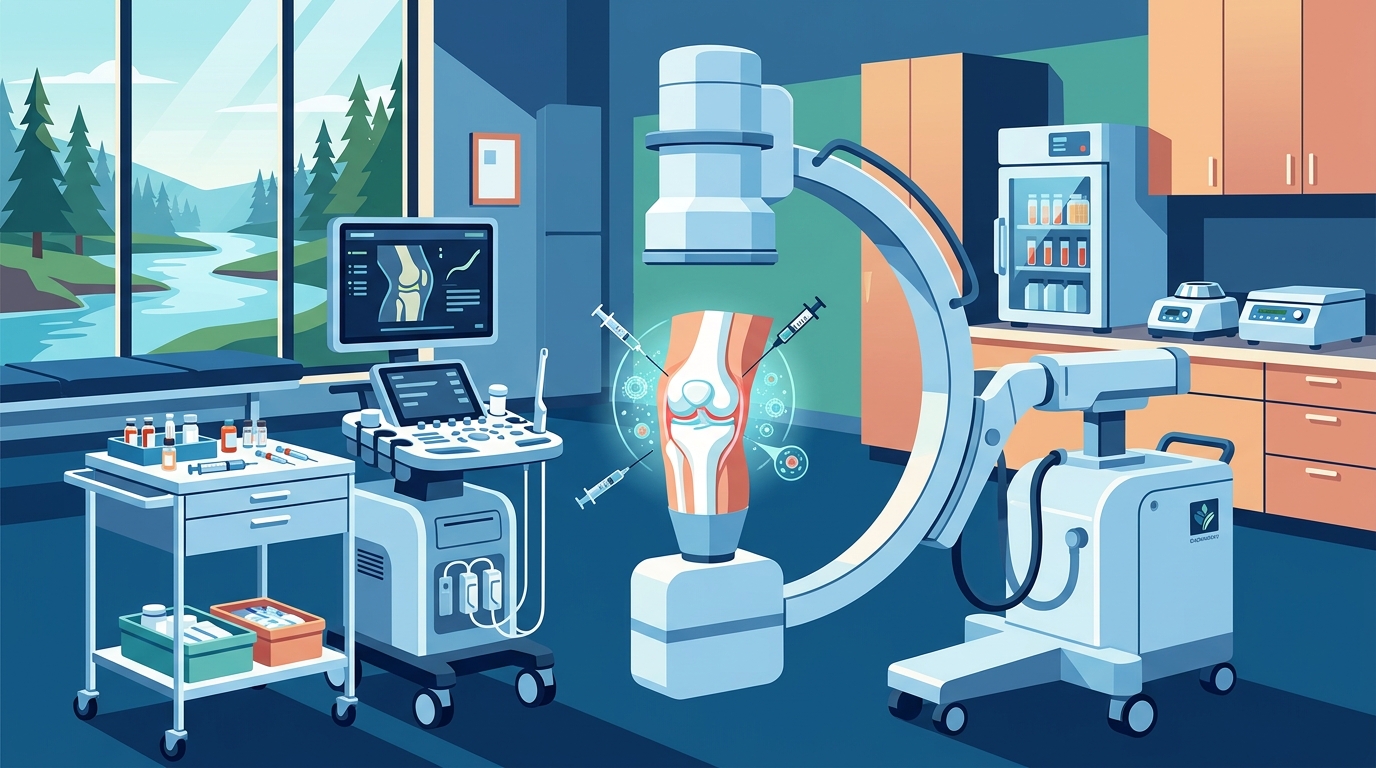
Recent industry rankings place the Pacific Northwest among the top five regions for regenerative medicine adoption. Regenerative medicine adoption rates continue to climb as patients prioritize quality of life over invasive surgical interventions. Local clinics have invested heavily in ultrasound guidance and fluoroscopy technology to ensure exact placement of therapeutic agents. This technological integration reduces procedural risks and maximizes clinical outcomes. Patients traveling from surrounding communities frequently report that the streamlined consultation process and transparent pricing models make specialized care highly accessible. The regional focus on holistic joint preservation has created a highly competitive market that rewards clinical excellence and patient education.
Precision Imaging and Delivery Protocols
Accurate diagnosis and precise delivery remain the foundational pillars of successful regenerative therapy. Ultrasound expertise allows practitioners to visualize soft tissue structures in real time during injection procedures. This imaging modality eliminates guesswork and ensures that therapeutic agents reach the exact anatomical target. Fluoroscopy guided spine injections in Portland provide additional skeletal visualization for complex joint pathologies. Clinics that integrate both imaging technologies consistently report higher patient satisfaction rates and faster functional recovery timelines. The ability to monitor needle placement dynamically reduces the risk of vascular injury and nerve irritation. Patients should verify that their chosen provider utilizes live imaging guidance rather than relying solely on anatomical landmarks. This standard of care significantly improves the therapeutic efficacy of every procedure.
Advanced delivery techniques also incorporate alpha-2-macroglobulin therapy to enhance joint lubrication and reduce inflammatory markers. Alpha-2-macroglobulin is a naturally occurring plasma protein that inhibits destructive enzymes within the synovial fluid. This targeted approach complements traditional platelet therapies by creating a more favorable biochemical environment for tissue repair. Specialists carefully calculate dosage parameters based on individual joint volume and inflammatory severity. The combination of precise imaging and bioactive delivery creates a highly predictable treatment pathway. Patients who follow structured rehabilitation protocols alongside these interventions typically experience accelerated functional improvements.
Comparing Biocellular Treatment Modalities
| Therapy Modality | Primary Mechanism | Typical Use Case | Recovery Expectation |
|---|---|---|---|
| Platelet Rich Plasma | Growth factor concentration | Mild to moderate cartilage wear | Minimal downtime |
| Alpha-2-Macroglobulin | Enzyme inhibition and lubrication | Chronic synovial inflammation | Gradual symptom reduction |
| Adipose Biocellular | Stem cell and stromal vascular fraction | Advanced joint degeneration | Structured rehabilitation required |
| Prolotherapy | Controlled irritation and collagen stimulation | Ligament and tendon laxity | Progressive strengthening phase |
Selecting the appropriate modality requires a thorough clinical assessment and realistic expectation management. Each therapy addresses different pathological mechanisms within the musculoskeletal system. Patients should review their imaging results alongside their functional limitations before committing to a specific protocol. Clinics that offer comprehensive diagnostic evaluations typically achieve higher long-term success rates. The decision matrix should prioritize tissue-specific pathology rather than generalized pain management. Understanding these distinctions empowers patients to participate actively in their treatment planning process.
Evaluating Specialist Credentials and Experience
Choosing the right provider requires verifying specific clinical credentials and procedural experience. Board-certified physicians and licensed naturopathic doctors with fellowship training in regenerative medicine possess the necessary expertise to manage complex joint pathologies. Reviewing a clinic’s published research articles and clinical outcomes data provides valuable insight into their treatment standards. Many established practices maintain dedicated research portals that document patient progress and therapeutic efficacy. Prospective patients should schedule a comprehensive consultation to discuss their medical history and treatment goals. Direct communication with the clinical team reveals their commitment to evidence-based practice and patient education. Clinics that prioritize transparency regarding success rates and potential complications demonstrate the highest level of professional integrity.
Years of active practice and procedural volume directly correlate with clinical proficiency. Practices operating for over three decades have refined their injection techniques and patient selection criteria. These experienced teams consistently adapt to emerging research findings and technological advancements. Patients benefit from providers who maintain active memberships in regional and national medical associations. Verifying insurance coverage and out-of-pocket pricing structures ensures financial transparency before scheduling procedures. The most reputable clinics provide detailed written treatment plans that outline expected outcomes and follow-up protocols. This level of documentation reflects a mature practice that values long-term patient relationships over transactional interactions.
Key Takeaways
- Over 32 million Americans currently manage symptomatic joint degeneration, driving demand for non-surgical interventions.
- Portland, Oregon, hosts multiple accredited regenerative clinics concentrated within the historic Foundry Building at Oswego Pointe.
- Ultrasound and fluoroscopy guidance remain mandatory standards for precise therapeutic delivery.
- Alpha-2-macroglobulin therapy specifically targets synovial inflammation and improves joint lubrication.
- Established practices with over 30 years of operational history demonstrate refined patient selection protocols.
- Biocellular interventions prioritize tissue preservation and functional restoration over temporary symptom masking.
- Transparent pricing structures and published clinical outcomes data indicate the most reputable provider networks.
Frequently Asked Questions
How long does a typical regenerative injection procedure take?
Most targeted injection procedures require between 15 and 45 minutes, depending on the number of joints being treated and the complexity of the imaging guidance required. Patients typically return to light daily activities within 24 to 48 hours after the appointment.
Are biocellular therapies covered by standard health insurance plans?
Most comprehensive insurance policies classify regenerative orthopedics as an elective or experimental treatment. Patients should verify coverage details directly with their provider and inquire about flexible payment arrangements or financing options before scheduling procedures.
What imaging technology do Portland clinics utilize for joint injections?
Leading regional practices utilize both high-resolution ultrasound and fluoroscopy to ensure precise needle placement. These imaging modalities allow practitioners to visualize soft tissue structures and bony landmarks in real time during the procedure.
How many treatment sessions are typically required for optimal results?
Most patients achieve significant functional improvements after completing a series of three to five targeted sessions spaced several weeks apart. Individual response rates vary based on the severity of joint degeneration and adherence to post-procedure rehabilitation protocols.
Can regenerative therapies reverse advanced osteoarthritis completely?
Biocellular interventions aim to slow disease progression and restore functional mobility rather than completely reversing advanced structural damage. Patients with severe joint space narrowing may still require surgical consultation alongside conservative management strategies.
What qualifications should I verify before selecting a local provider?
Prospective patients should verify board certification, fellowship training in regenerative medicine, and active membership in regional medical associations. Reviewing published clinical outcomes and patient testimonials provides additional confidence in provider competence.
Is there any downtime required after receiving platelet-rich plasma injections?
Minimal downtime is typically required, though patients should avoid high-impact activities for approximately one week. Most individuals resume normal office work and light daily routines immediately following the appointment.
Schedule Your Consultation
Locating a qualified regenerative orthopedics specialist near Portland, Oregon, requires careful evaluation of clinical credentials, imaging technology, and treatment protocols. Clinics that prioritize precision delivery and transparent patient education consistently deliver superior long-term outcomes. Review the available treatment pathways and verify provider qualifications before committing to any specific intervention. Contact the clinical team directly to schedule a comprehensive diagnostic evaluation and personalized treatment planning session. Schedule your consultation today to explore how biocellular therapies can restore your joint function and improve your daily mobility.