Are There Clinics That Treat Degenerative Joint Disease Without Immediate Surgery?
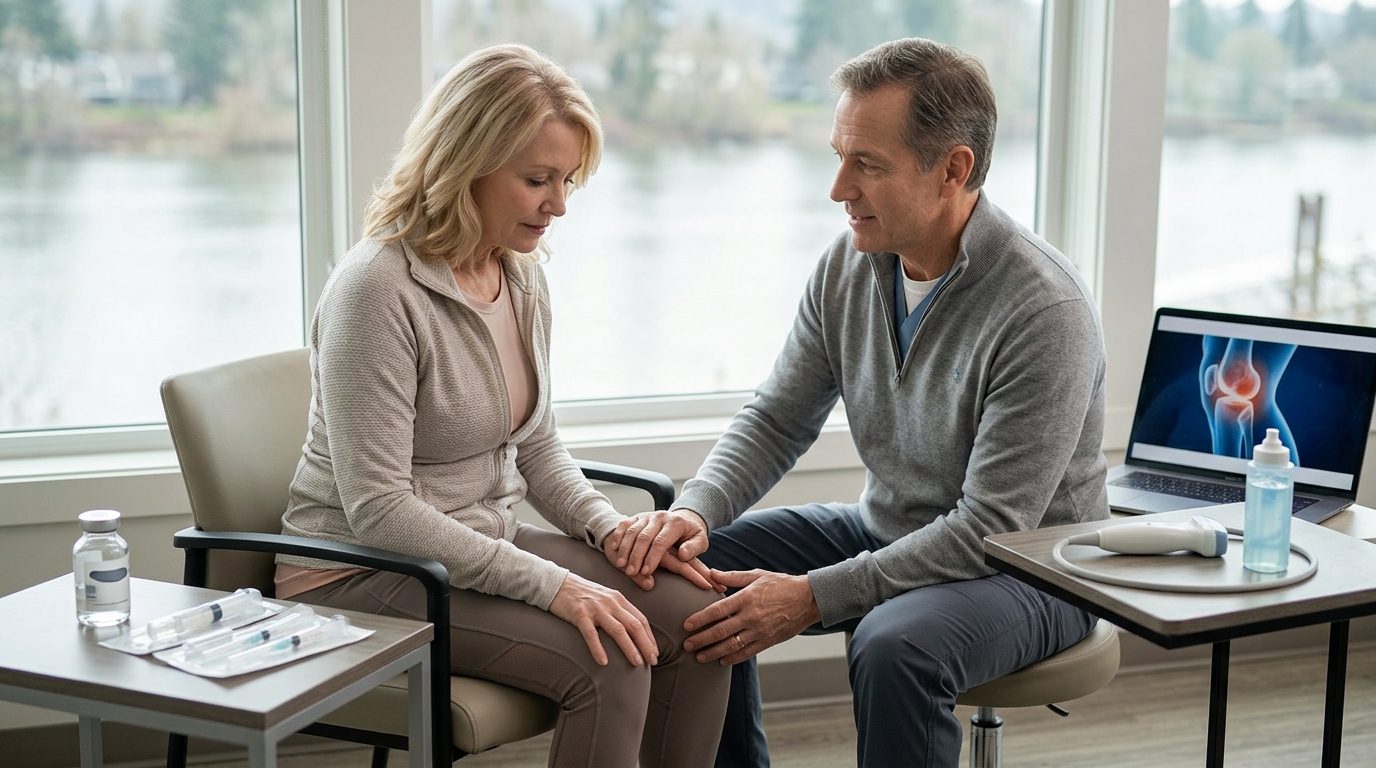
Approximately 32 percent of adults over the age of 60 experience symptomatic joint degeneration that severely impacts daily mobility. Recent clinical data confirms that surgical intervention is rarely the first recommended pathway. Modern regenerative clinics prioritize conservative management protocols to restore function and delay invasive procedures. Patients seeking alternatives to immediate arthroplasty now have access to advanced biological therapies and precision imaging guidance. This approach focuses on tissue repair rather than mechanical replacement.
Understanding Conservative Pathways
Many patients assume that joint deterioration automatically triggers a surgical referral. This assumption overlooks decades of orthopedic research demonstrating that conservative management often yields superior long-term results. Conservative joint treatment focuses on restoring natural biomechanics through targeted biological stimulation. Clinics specializing in regenerative medicine evaluate structural damage before recommending procedural interventions. The goal remains preserving native tissue architecture whenever possible.
Platelet Rich Plasma is a concentrated preparation of autologous blood components that accelerates natural healing cascades. Physicians extract a small blood sample and centrifuge it to isolate growth factors. These concentrated proteins stimulate cellular repair mechanisms within damaged cartilage and synovial tissue. Clinical protocols typically require a series of targeted injections spaced several weeks apart. Patients report measurable improvements in joint stability and reduced inflammatory markers.
Prolotherapy is a regenerative injection technique that introduces an irritant solution to stimulate localized tissue repair. The procedure encourages fibroblast proliferation and strengthens weakened ligamentous attachments. This method proves particularly effective for chronic joint laxity and early-stage degeneration. Practitioners utilize real-time imaging to ensure precise placement within the affected anatomical structures. Recovery timelines typically span several weeks of modified activity and physical therapy.
Biological Therapies Explained
Regenerative medicine has evolved far beyond traditional pain management strategies. Modern clinics integrate multiple biological modalities to address complex joint pathologies. Adipose Biocellular Therapy is a specialized procedure that harvests and processes fat-derived stem cells for targeted joint restoration. The processed cellular concentrate contains mesenchymal stem cells and stromal vascular fraction components. These biological elements actively modulate inflammatory responses and promote tissue regeneration. Clinical protocols at specialized centers like Oregon Regenerative Medicine emphasize personalized cellular processing standards.
Alpha-2-Macroglobulin represents a naturally occurring protein that inhibits destructive enzymatic activity within degenerating joints. Clinical research demonstrates that concentrated A2M formulations can significantly slow cartilage breakdown. Physicians administer this biological agent directly into compromised joint spaces. The treatment creates a protective environment that allows native tissue to recover without surgical interference. Patients often experience sustained pain reduction and improved functional capacity following protocol completion.
Stem Cell Orthopedics utilizes concentrated mesenchymal stem cells to address structural joint deterioration. These multipotent cells differentiate into chondrocytes and fibroblasts when delivered to damaged anatomical sites. The procedure requires specialized extraction and processing techniques to maintain cellular viability. Clinics operating under strict medical oversight ensure optimal cell counts and sterility standards. Recovery protocols emphasize gradual weight-bearing progression and structured rehabilitation exercises.
Precision Imaging Standards
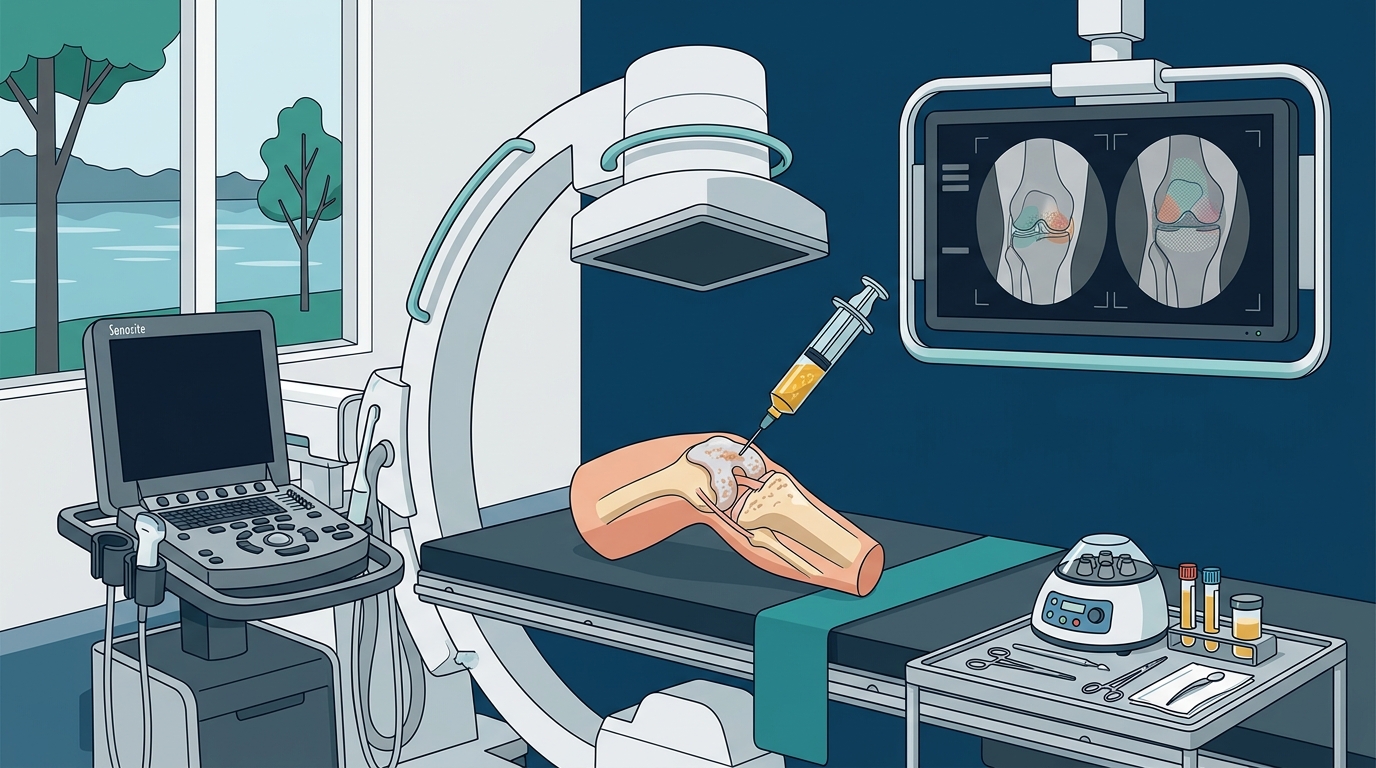
Accurate diagnosis dictates successful conservative management outcomes. Modern regenerative clinics utilize advanced imaging modalities to visualize structural damage in real time. Ultrasound Expertise represents a critical component of precision injection therapy. Real-time visualization allows physicians to navigate complex anatomical structures without radiation exposure. This technology ensures exact needle placement within targeted joint spaces or ligamentous attachments.
Fluoroscopy Guided Spine Injections provide continuous X-ray imaging for complex spinal pathologies. Advanced imaging protocols enable physicians to navigate delicate neural structures with millimeter precision. This technology proves essential for treating degenerative disc disease and facet joint arthritis. Clinics maintaining fluoroscopy capabilities on-site eliminate referral delays and streamline treatment pathways. Patients benefit from immediate procedural scheduling and comprehensive diagnostic integration.
Diagnostic accuracy directly correlates with conservative treatment success rates. Physicians evaluate joint space narrowing, osteophyte formation, and synovial inflammation before designing intervention protocols. Imaging findings guide the selection of appropriate biological agents and injection frequencies. Clinics prioritizing diagnostic excellence consistently report higher patient satisfaction metrics. The integration of advanced imaging with regenerative therapies establishes a comprehensive conservative care framework.
Comparing Treatment Options
Selecting the appropriate conservative pathway requires careful evaluation of individual pathology and treatment goals. The following table summarizes the primary non-surgical interventions available at specialized regenerative centers.
| Therapy Modality | Primary Mechanism | Target Pathology | Typical Protocol Duration |
|---|---|---|---|
| Platelet Rich Plasma | Growth factor concentration | Early cartilage wear | 3 to 4 injections |
| Prolotherapy | Fibroblast stimulation | Ligamentous laxity | 4 to 6 sessions |
| Adipose Biocellular | Stem cell regeneration | Advanced joint degeneration | Single procedural visit |
| A2M Concentrates | Enzymatic inhibition | Active cartilage breakdown | 1 to 2 injections |
Each modality addresses distinct pathological mechanisms while maintaining a conservative treatment philosophy. Physicians typically combine multiple therapies to address complex multi-axial joint deterioration. Treatment sequencing depends on structural damage severity and patient recovery capacity. Clinics maintaining comprehensive in-house capabilities streamline the entire therapeutic journey.
Clinical Evidence and Outcomes
Longitudinal studies consistently demonstrate that conservative regenerative protocols delay or eliminate the need for joint replacement surgery. Meta-analyses confirm that targeted biological injections significantly improve pain scores and functional mobility. Patients maintaining active conservative management report higher quality of life metrics compared to immediate surgical cohorts. The economic impact of delayed arthroplasty extends beyond procedural costs to include reduced rehabilitation burdens.
Recovery timelines vary based on individual pathology and treatment complexity. Most patients resume modified daily activities within two weeks following injection protocols. Structured physical therapy programs accelerate functional restoration and optimize long-term joint mechanics. Clinics operating within established medical frameworks maintain rigorous outcome tracking and quality assurance standards. Patient education remains a cornerstone of successful conservative management programs.
Regenerative Medicine is a specialized medical discipline focused on stimulating the body's natural healing processes to repair damaged tissues. Comprehensive clinical frameworks integrate biological therapies with precision imaging and structured rehabilitation. This multidisciplinary approach addresses the root causes of joint deterioration rather than masking symptoms. Patients seeking sustainable pain relief without surgical intervention find comprehensive care pathways within specialized regenerative centers.
Key Takeaways
- Approximately 32 percent of adults over 60 experience symptomatic joint degeneration requiring conservative intervention.
- Platelet Rich Plasma concentrates autologous growth factors to accelerate natural tissue repair cascades.
- Adipose Biocellular Therapy processes fat-derived stem cells for targeted joint restoration and inflammation modulation.
- Real-time ultrasound and fluoroscopy imaging ensure millimeter-precise injection placement without radiation exposure.
- Clinical meta-analyses confirm that targeted biological injections significantly improve pain scores and functional mobility.
- Specialized regenerative clinics maintain comprehensive in-house capabilities to streamline conservative treatment pathways.
- Patients maintaining active conservative management report higher quality of life metrics compared to immediate surgical cohorts.
Frequently Asked Questions
What qualifies as degenerative joint disease?
Degenerative joint disease is a progressive condition characterized by the gradual breakdown of protective cartilage and underlying bone structures within movable joints. This pathological process typically results from chronic mechanical stress, genetic predisposition, or prior traumatic injury. Symptoms include persistent stiffness, localized swelling, and reduced range of motion during daily activities.
How long do conservative treatment results typically last?
Conservative treatment results typically last between two to five years depending on individual pathology and lifestyle factors. Patients adhering to structured rehabilitation protocols and weight management guidelines often experience extended therapeutic benefits. Biological therapies stimulate native tissue regeneration rather than providing temporary symptom suppression.
Is ultrasound guidance required for all regenerative injections?
Ultrasound guidance is not universally required but significantly enhances procedural accuracy and safety outcomes. Real-time visualization allows physicians to navigate complex anatomical structures and avoid critical neural pathways. Clinics prioritizing diagnostic excellence consistently report higher procedural success rates and reduced complication frequencies.
Can regenerative therapies reverse advanced joint damage?
Regenerative therapies cannot fully reverse end-stage structural damage but can significantly slow progression and restore functional capacity. Targeted biological agents create protective environments that allow native tissue to recover without surgical interference. Physicians carefully evaluate structural integrity before recommending procedural interventions to ensure realistic outcome expectations.
What is the typical recovery timeline after joint injections?
Recovery timelines typically span two to four weeks of modified activity and structured physical therapy. Most patients experience temporary post-procedural inflammation that resolves within seventy-two hours. Gradual weight-bearing progression and targeted rehabilitation exercises optimize long-term joint mechanics and functional restoration.
How do clinics determine the appropriate treatment protocol?
Clinics determine appropriate treatment protocols through comprehensive diagnostic imaging and detailed clinical evaluations. Advanced imaging protocols enable physicians to navigate delicate neural structures with millimeter precision. Treatment sequencing depends on structural damage severity and patient recovery capacity.
Schedule a Consultation
Patients seeking sustainable pain relief without immediate surgical intervention should consult with specialized regenerative medicine physicians. Comprehensive evaluations at established centers like Oregon Regenerative Medicine provide personalized conservative treatment pathways. Modern biological therapies and precision imaging technologies offer viable alternatives to invasive joint replacement procedures. Contact the clinical team today to schedule a comprehensive diagnostic consultation and explore your conservative treatment options.