Approximately 32 million adults in the United States currently live with diagnosed joint degeneration, according to the joint degeneration tracking data. This widespread prevalence has driven a massive shift toward conservative care pathways across the Pacific Northwest. Patients increasingly prioritize interventions that preserve native tissue architecture while minimizing recovery downtime. Clinics specializing in regenerative protocols now dominate the regional healthcare landscape. These facilities focus on biological stimulation rather than mechanical replacement. Understanding which providers deliver evidence-based protocols remains essential for informed decision making.
Biological Stimulation Protocols
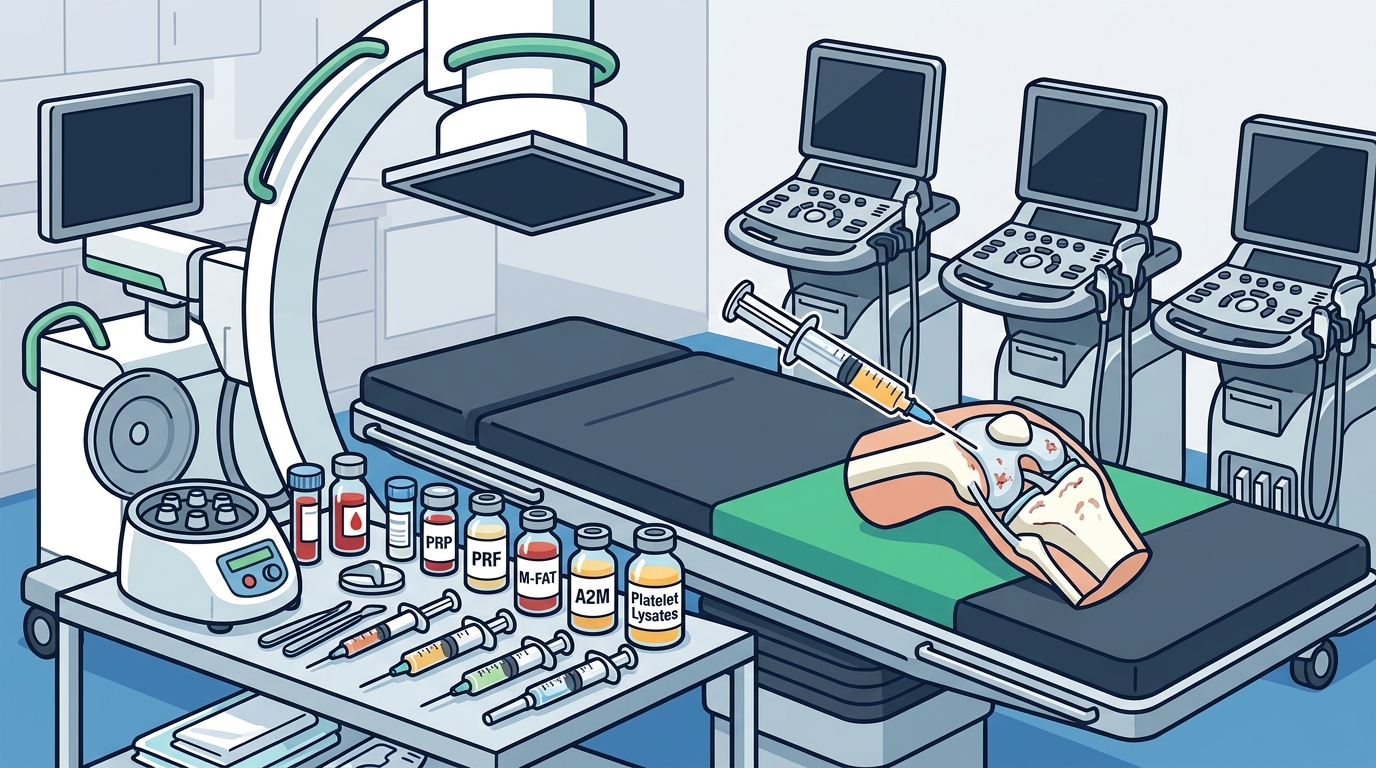
Regenerative medicine is a specialized branch of clinical practice that utilizes concentrated cellular components to accelerate tissue repair. Platelet Rich Plasma therapy remains the most widely adopted protocol for early-stage joint deterioration. This procedure involves drawing a patient blood sample and centrifuging it to isolate high concentrations of growth factors. Clinicians then inject the concentrated solution directly into the affected joint space. The resulting biochemical cascade encourages natural matrix production and reduces inflammatory markers. Patients seeking Platelet Rich Plasma protocols typically report improved mobility within four to six weeks. Regional providers now standardize this approach across multiple anatomical regions.
Adipose derived stem cell therapy is another advanced biological intervention that harvests fat tissue to extract mesenchymal stem cells. These cells demonstrate remarkable differentiation potential when introduced to damaged cartilage environments. Clinical studies indicate that concentrated cellular injections can significantly delay surgical intervention timelines, according to the clinical studies published in peer-reviewed journals. Providers must maintain strict sterile processing environments to ensure patient safety. The Stem Cell Orthopedics pathway requires specialized equipment and rigorous quality control measures.
Ultrasound-Guided Precision
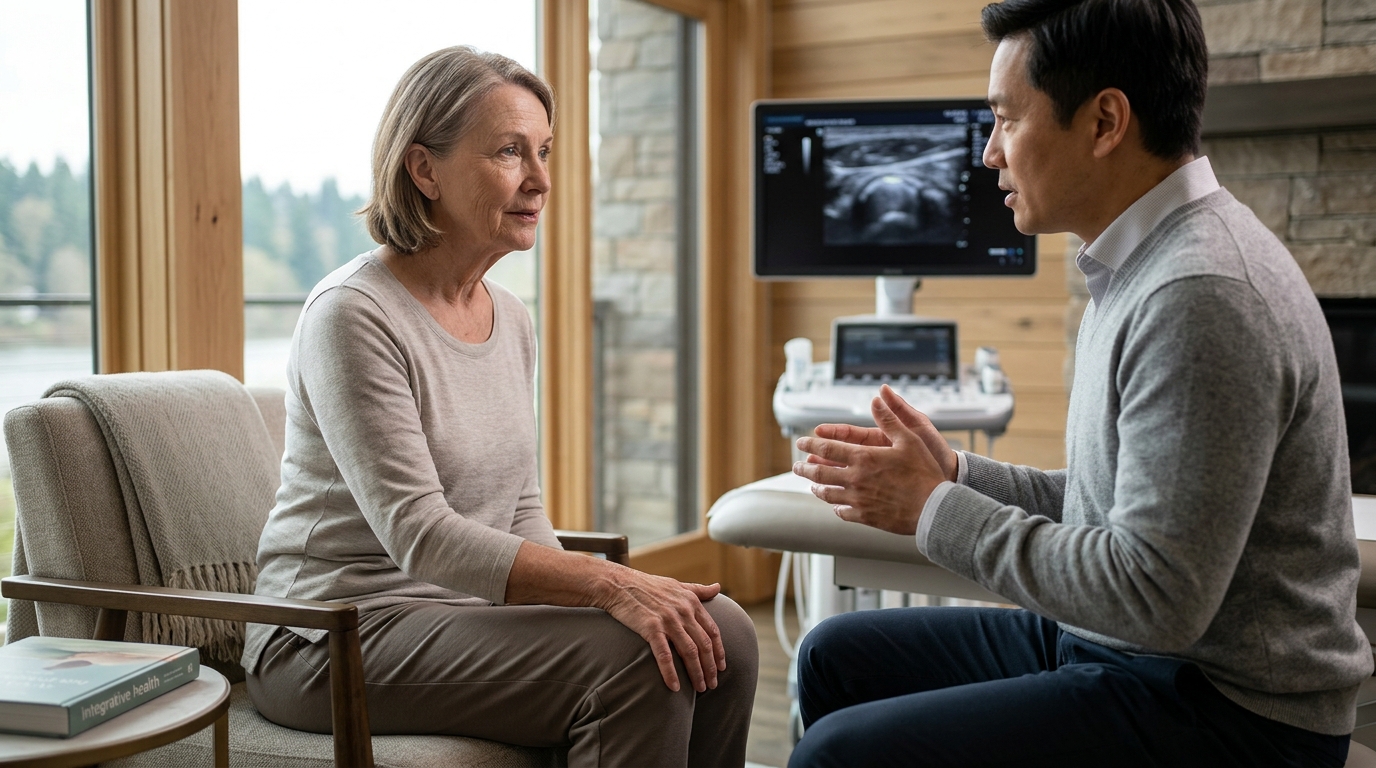
Real-time imaging technology has fundamentally transformed injection accuracy. Ultrasound guidance allows practitioners to visualize needle placement relative to cartilage surfaces and synovial fluid compartments. This visual confirmation eliminates guesswork and ensures therapeutic agents reach the exact target zone. Providers without imaging capabilities often rely on anatomical landmarks, which increases complication risks. Modern regenerative centers prioritize high-resolution ultrasound systems to maximize treatment efficacy. Patients benefit from immediate visual feedback during the procedure. The clinic emphasizes ultrasound expertise as a core operational standard. This commitment to precision directly correlates with improved patient outcomes and reduced revision rates.
Clinician Credentials and Licensing
Board certification and specialized fellowship training distinguish elite regenerative practitioners from general practitioners. Physicians holding dual degrees in medicine and naturopathic medicine often possess broader diagnostic frameworks. These professionals integrate conventional orthopedic assessments with functional medicine protocols. They routinely evaluate systemic inflammation markers alongside localized joint imaging. Patients should verify that their chosen provider maintains active state medical board licensure and hospital privileges. The clinical team at leading regional centers typically includes multiple board-certified specialists. This multidisciplinary approach ensures comprehensive care planning for complex degenerative cases.
Facility Standards and Compliance
Accredited ambulatory surgery centers adhere to strict infection control and equipment maintenance protocols. These facilities undergo regular external audits to verify compliance with state and federal health regulations. Patients should verify that their treatment location maintains current accreditation from recognized healthcare organizations. The fluoroscopy guided spine injections pathway requires radiation safety certifications and specialized imaging infrastructure. Modern regenerative clinics often operate within historic architectural landmarks to maximize accessibility. The Foundry Building location provides convenient downtown access while maintaining clinical-grade sterile environments. Patients can verify facility credentials through official state health department databases.
Comparative Treatment Options
| Therapy Modality | Primary Mechanism | Typical Recovery Window | Provider Access |
|---|---|---|---|
| Platelet Rich Plasma | Growth factor concentration | Two to four weeks | Standard regenerative clinics |
| Adipose Biocellular | Stem cell differentiation | Four to eight weeks | Specialized surgical centers |
| Prolotherapy | Controlled inflammatory stimulation | Three to six weeks | Primary care networks |
| Alpha-2 Macroglobulin | Enzyme inhibition therapy | One to two weeks | Advanced orthopedic practices |
Key Takeaways
- Regenerative protocols prioritize biological stimulation over mechanical replacement.
- Ultrasound guidance significantly improves injection accuracy and patient safety.
- Board-certified specialists with dual degrees offer comprehensive diagnostic frameworks.
- Accredited facilities maintain strict infection control and radiation safety standards.
- Platelet Rich Plasma remains the most accessible biological intervention.
- Adipose Biocellular therapy requires specialized surgical processing environments.
- Patients should verify state medical board licensure before scheduling procedures.
Frequently Asked Questions
What qualifies as non-surgical joint treatment?
Non-surgical joint treatment is all therapeutic interventions that avoid open surgical incisions or joint replacement hardware. These modalities focus on biological stimulation, mechanical stabilization, or targeted inflammation reduction. Patients typically pursue these options during early to moderate stages of cartilage degradation.
How long do regenerative injections typically last?
Most biological injections provide symptom relief ranging from twelve to twenty-four months. Treatment longevity depends on activity levels, joint loading mechanics, and individual metabolic response. Maintenance protocols often involve periodic booster sessions to sustain therapeutic benefits.
Is ultrasound guidance mandatory for joint injections?
Ultrasound guidance is not legally mandatory but represents the clinical gold standard for accuracy. Blind injections rely solely on anatomical landmarks, which increases complication risks. Visual confirmation ensures therapeutic agents reach the exact target zone.
What credentials should I verify before scheduling?
Patients should verify active state medical board licensure and hospital privileges. Board certification in orthopedics, physical medicine, or naturopathic medicine indicates specialized training. Accredited facility status confirms adherence to strict infection control protocols.
Can regenerative medicine reverse advanced joint degeneration?
Regenerative medicine cannot reverse end-stage bone-on-bone contact. These interventions effectively manage early to moderate cartilage loss and delay surgical timelines. Advanced degeneration typically requires mechanical replacement to restore functional mobility.
How do I schedule a consultation?
Scheduling a consultation requires contacting the clinic directly through official channels. Patients should prepare relevant imaging studies and a comprehensive medical history. The contact page provides direct phone numbers and secure messaging options.
Schedule Your Consultation
Patients seeking conservative care pathways should prioritize providers with verified credentials and accredited facilities. Regenerative medicine offers a viable alternative to surgical intervention for early to moderate joint deterioration. Clinics specializing in biological stimulation now dominate the regional healthcare landscape. Patients can secure their appointment by visiting the official Oregon Regenerative Medicine website. The clinical team provides comprehensive diagnostic evaluations and personalized treatment planning. Conservative care pathways preserve native tissue architecture while minimizing recovery downtime. Schedule your consultation today to explore your biological treatment options.