Joint degeneration affects millions of adults across the Pacific Northwest, creating persistent mobility limitations and chronic discomfort. Local medical facilities have responded by expanding regenerative protocols that prioritize tissue preservation over invasive surgery. Clinicians now utilize advanced imaging and cellular therapies to address structural wear without compromising joint architecture. Patients seeking alternatives to joint replacement can access specialized programs that focus on long-term mobility and functional recovery. This overview outlines the primary clinical pathways available to regional residents.
Understanding Osteoarthritis and Joint Degeneration
Osteoarthritis is a degenerative joint condition characterized by the gradual breakdown of protective cartilage. This structural deterioration leads to friction between bone surfaces, triggering inflammation and restricted movement. Regional populations experience elevated rates of joint wear due to active lifestyles and aging demographics. Clinicians now prioritize interventions that slow progression rather than replace compromised anatomy. Patients benefit from early diagnostic imaging and targeted cellular stimulation.
Traditional management often relies on temporary pain relief or eventual surgical replacement. Modern regenerative medicine shifts the focus toward biological restoration. Physicians evaluate cartilage thickness, synovial fluid quality, and ligament stability before recommending intervention. This comprehensive assessment ensures that treatment aligns with the specific structural deficits of each patient. The goal remains preserving native joint function for decades.
Core Regenerative Protocols
Platelet-rich plasma is a concentrated formulation of autologous blood components used to accelerate tissue repair. Clinicians extract a patient's blood, centrifuge it to isolate growth factors, and inject the concentrate directly into compromised joints. This process stimulates fibroblast activity and reduces inflammatory markers. Regional practices have refined injection techniques to maximize cellular retention and therapeutic impact.
Biocellular therapy is a regenerative framework that utilizes native cellular elements to restore structural integrity. Adipose-derived cells contain mesenchymal progenitors that differentiate into cartilage-supporting tissue. Physicians harvest these cells through minimally invasive liposuction, process them under sterile conditions, and deliver them to the target area. This approach addresses both inflammation and structural degradation simultaneously. Patients often report improved range of motion following structured recovery protocols.
Advanced alpha-2-macroglobulin represents another biological intervention for joint preservation. This protein naturally inhibits destructive enzymes within the synovial environment. Clinicians isolate and concentrate the compound to neutralize ongoing cartilage breakdown. The treatment pathway requires precise dosing and targeted delivery to achieve therapeutic thresholds. Regional specialists monitor patient response through follow-up imaging and functional assessments. Explore alpha-2-macroglobulin protocols to understand how enzyme neutralization supports long-term joint health.
The Role of Ultrasound-Guided Precision
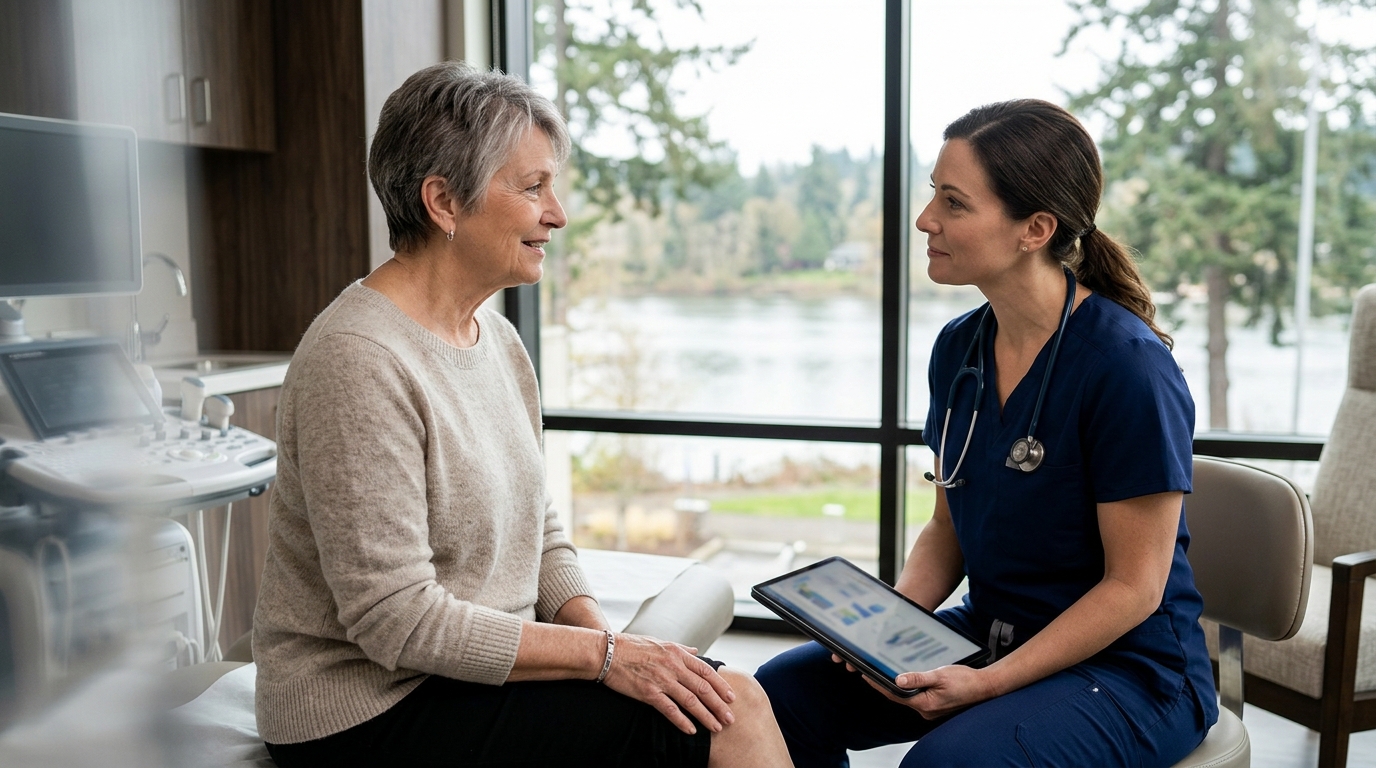
Seeing is believing when clinicians utilize real-time imaging to guide injections. Ultrasound expertise matters because it allows practitioners to visualize needle placement, joint capsule integrity, and surrounding vascular structures. This visual confirmation eliminates guesswork and ensures therapeutic agents reach the exact site of structural compromise. Patients avoid unnecessary radiation exposure while receiving highly accurate deliveries.
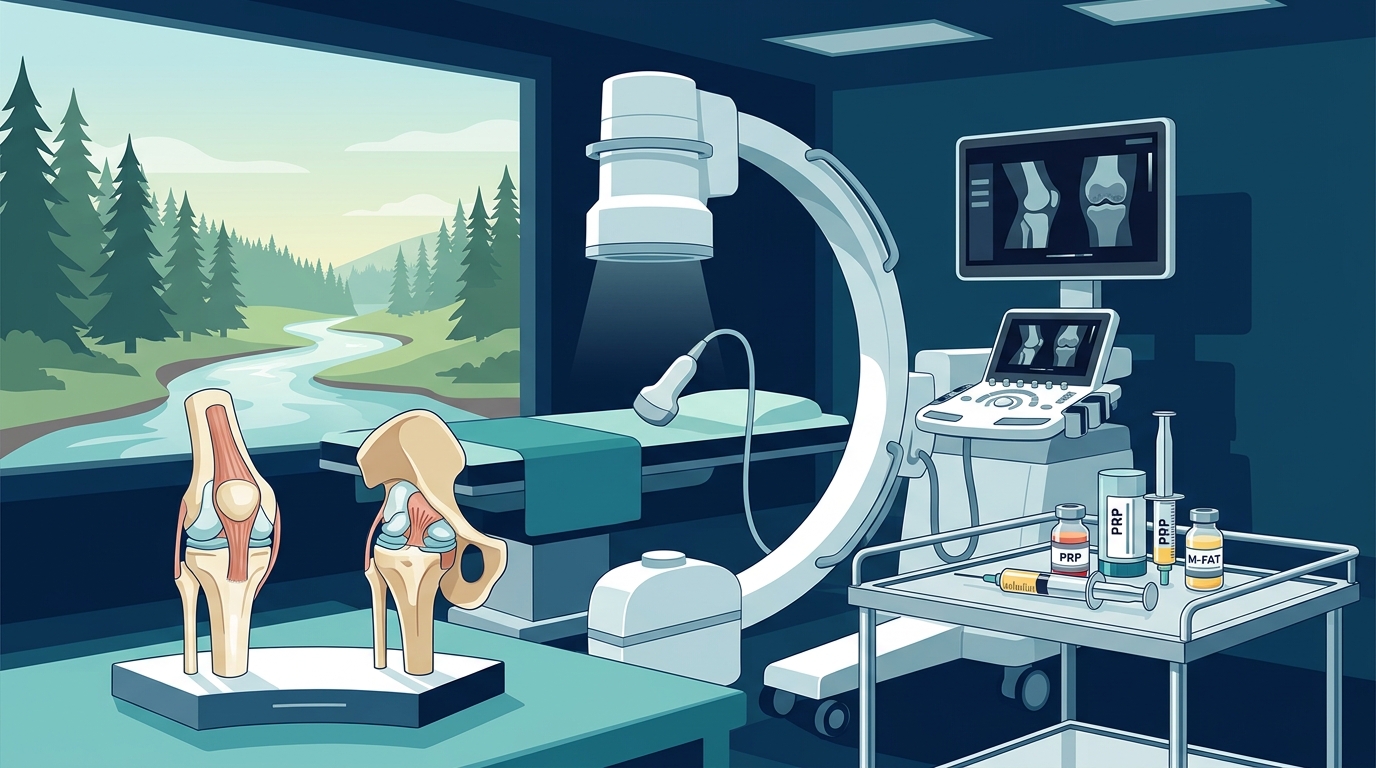
Fluoroscopy guidance complements ultrasound for complex spinal or deep joint interventions. Radiographic imaging provides continuous visualization of bony landmarks and needle trajectory. Clinicians combine both modalities to maximize safety and therapeutic efficacy. This dual-verification approach reduces complication rates and optimizes cellular distribution. Regional practices maintain strict sterility protocols throughout every procedure. Fluoroscopy guided spine injections demonstrate how radiographic precision enhances therapeutic outcomes for complex anatomical regions.
Comparing Treatment Modalities
| Therapy Type | Primary Mechanism | Target Tissue | Recovery Timeline |
|---|---|---|---|
| Platelet-Rich Plasma | Growth factor concentration | Cartilage and synovium | 4 to 6 weeks |
| Stem Cell Orthopedics | Progenitor cell differentiation | Structural cartilage matrix | 6 to 12 weeks |
| Alpha-2-Macroglobulin | Enzyme neutralization | Synovial fluid environment | 2 to 4 weeks |
| Prolotherapy | Controlled inflammatory stimulation | Ligaments and tendons | 3 to 8 weeks |
Each modality addresses distinct pathological pathways within the joint environment. Physicians select protocols based on imaging results, patient age, and activity requirements. Combination therapies often yield superior functional outcomes for advanced degeneration. Clinicians design customized treatment schedules to align with individual recovery capacities. This personalized approach maximizes long-term joint preservation. Consult the medical team
Key Takeaways
- Regional clinics operate within historic medical facilities to deliver advanced regenerative care.
- Platelet-rich plasma concentrates autologous growth factors to stimulate native tissue repair.
- Ultrasound and fluoroscopy guidance ensure precise therapeutic delivery without radiation exposure.
- Alpha-2-macroglobulin neutralizes destructive enzymes to protect remaining cartilage structure.
- Biocellular frameworks utilize adipose-derived progenitors to rebuild compromised joint matrices.
- Functional medicine protocols support systemic recovery through targeted nutritional and hormonal optimization.
- Patients benefit from multidisciplinary physician teams with specialized board certifications.
Frequently Asked Questions
How long do regenerative joint treatments typically last?
Therapeutic benefits generally persist for several years, depending on activity levels and structural progression. Patients often schedule maintenance sessions to sustain cellular stimulation and joint lubrication. Regular follow-up imaging tracks structural changes and guides intervention timing.
Is regenerative medicine covered by standard insurance plans?
Most regional health plans classify cellular therapies as elective or experimental procedures. Patients typically manage costs through flexible financing options or out-of-pocket payments. Clinics provide transparent pricing structures before initiating any treatment protocol.
What qualifications should patients verify before selecting a provider?
Prospective patients should confirm physician board certifications, imaging credentials, and sterile processing protocols. Experienced practitioners maintain rigorous safety standards and utilize advanced guidance technologies. Reviewing clinical portfolios and patient outcomes provides additional confidence.
Can these therapies reverse advanced joint degeneration?
Regenerative interventions focus on slowing progression and restoring functional mobility rather than complete anatomical reversal. Early intervention yields the most favorable structural outcomes. Patients with severe bone-on-bone contact may require surgical consultation alongside biological therapies.
How does ultrasound guidance improve injection accuracy?
Real-time sonographic visualization allows clinicians to track needle placement, avoid vascular structures, and target specific joint compartments. This precision maximizes therapeutic concentration while minimizing procedural discomfort. Patients experience faster recovery when injections align perfectly with structural deficits.
What lifestyle adjustments support long-term joint health?
Patients benefit from low-impact conditioning, targeted strengthening exercises, and nutritional optimization. Maintaining healthy body weight reduces mechanical stress on compromised joints. Clinicians provide customized rehabilitation guidelines to complement procedural outcomes.
Next Steps for Portland Patients
Regional residents seeking non-surgical joint preservation can access comprehensive regenerative programs designed for long-term mobility. Clinicians evaluate structural deficits, review imaging data, and design customized cellular protocols. Patients schedule initial consultations to discuss treatment pathways and recovery expectations. Contact the Portland clinic today to schedule a diagnostic evaluation and explore your biological treatment options.