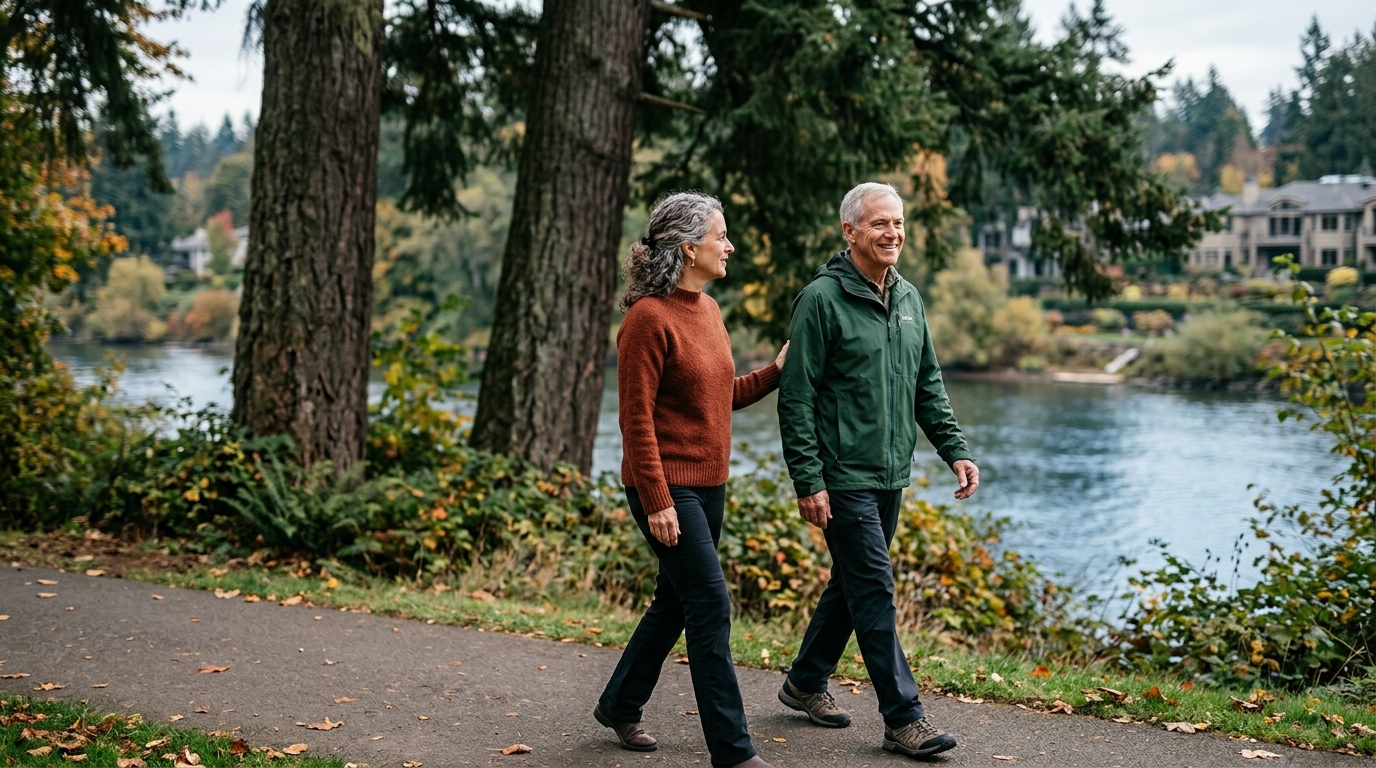
Osteoarthritis affects approximately 32.5 million adults across the United States, with prevalence rates climbing steadily in the Pacific Northwest due to regional lifestyle factors and aging demographics. National health data confirms that joint degeneration remains a leading driver of chronic mobility limitations. Patients seeking relief without invasive surgery require targeted interventions that address cartilage breakdown and synovial inflammation. Clinics in Portland increasingly prioritize regenerative protocols to restore joint function and delay surgical intervention. This guide outlines the specific non-surgical pathways available to regional patients.
Understanding Osteoarthritis and Regional Prevalence
Osteoarthritis is a progressive degenerative joint disease characterized by the gradual breakdown of protective cartilage and underlying bone. Clinical research indicates that mechanical stress and genetic predisposition accelerate this deterioration. Patients in the Pacific Northwest frequently report heightened symptom severity during extended wet seasons. Conservative management strategies now focus on halting structural decline rather than merely masking pain. Physicians prioritize early intervention to preserve native joint architecture.
Regenerative Medicine Protocols for Joint Preservation
Regenerative medicine is a specialized medical discipline that utilizes the body’s own healing mechanisms to repair damaged tissues. Peer-reviewed studies demonstrate that concentrated growth factors stimulate chondrocyte proliferation. Clinics in Portland integrate these biologics into structured treatment pathways. Patients typically undergo a comprehensive diagnostic evaluation before protocol selection. The goal remains restoring functional mobility without artificial implants.
Ultrasound-Guided Precision and Fluoroscopy Standards
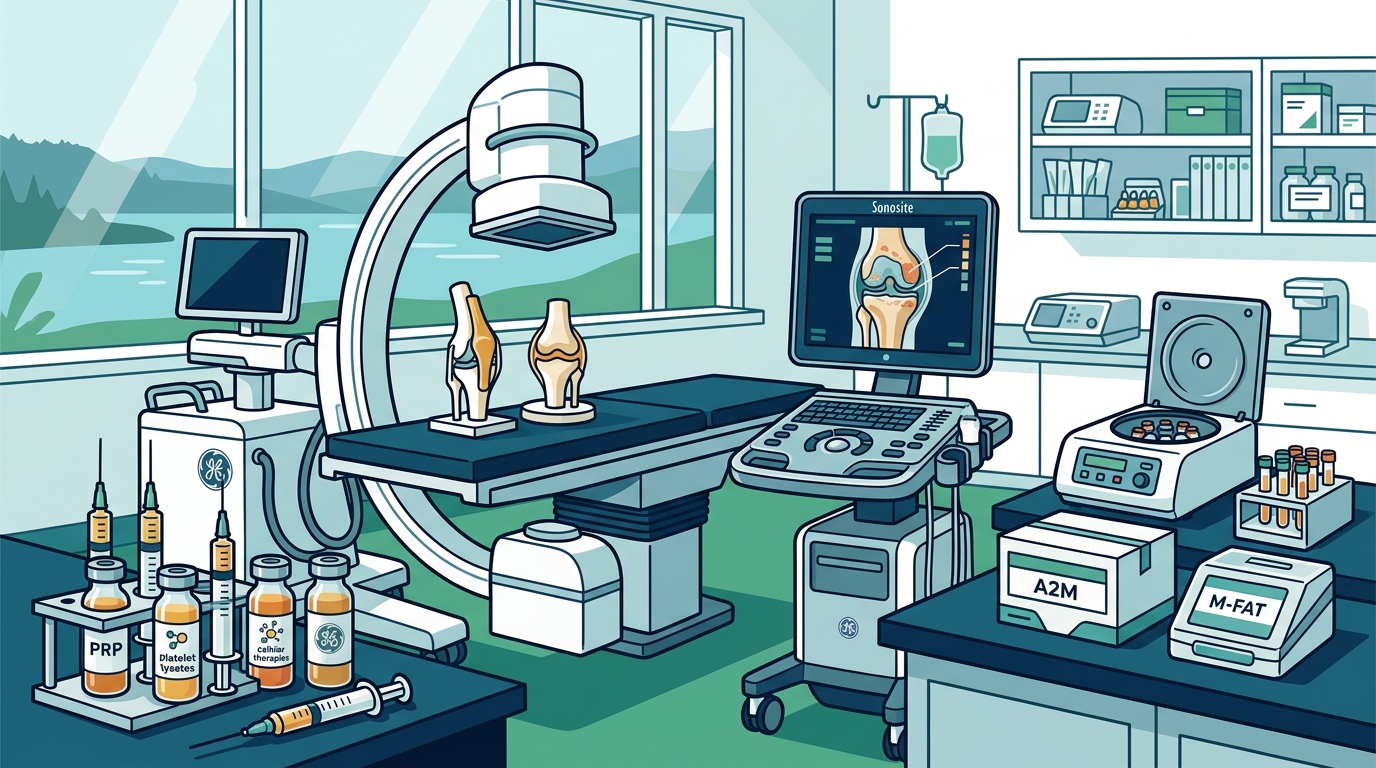
Ultrasound guidance is a real-time imaging technique that allows physicians to visualize needle placement and tissue response. Medical guidelines recommend image guidance to maximize therapeutic accuracy. Oregon Regenerative Medicine maintains advanced imaging capabilities within their historic Foundry Building facility. Physicians utilize live visualization to navigate complex joint spaces safely. This technical precision reduces procedural complications and improves long-term outcomes.
Advanced Biologics and Growth Factor Concentration
Platelet-rich plasma is a concentrated blood derivative that delivers high levels of healing proteins directly to injured joints. Public health reports confirm that autologous blood processing yields superior anti-inflammatory results. Clinics prepare these formulations using standardized centrifugation protocols. Patients experience targeted delivery of cytokines that modulate local tissue repair. This approach minimizes systemic exposure while maximizing localized regeneration.
Comparing Conservative Management Options
| Therapy Modality | Primary Mechanism | Target Patient Profile | Typical Recovery Window |
|---|---|---|---|
| Platelet Rich Plasma | Growth factor concentration | Mild to moderate cartilage wear | 4 to 6 weeks |
| Alpha-2-Macroglobulin | Protease inhibition | Advanced joint degradation | 6 to 8 weeks |
| Prolotherapy | Controlled inflammatory stimulation | Ligamentous laxity | 3 to 5 weeks |
| Adipose Biocellular | Stem cell enrichment | Severe structural compromise | 8 to 12 weeks |
Key Takeaways
- Regional clinics maintain over 30 years of combined clinical experience in joint preservation.
- Ultrasound and fluoroscopy guidance are standard for procedural accuracy.
- Autologous blood processing yields concentrated anti-inflammatory cytokines.
- Alpha-2-Macroglobulin targets advanced protease activity in degraded joints.
- Adipose-derived biologics provide mesenchymal stem cell enrichment.
- Patients typically report functional improvements within 4 to 12 weeks.
- Comprehensive diagnostic imaging precedes all therapeutic interventions.
Frequently Asked Questions
What qualifies a patient for non-surgical joint treatment?
Patients with mild to moderate cartilage loss and active lifestyle goals typically qualify for conservative interventions. Physicians evaluate joint space narrowing and inflammatory markers before recommending biologics.
How long do regenerative treatments typically last?
Therapeutic benefits generally persist for 12 to 24 months depending on activity levels and joint stress. Maintenance protocols can extend functional outcomes significantly.
Is imaging guidance required for all injections?
Advanced clinics utilize live ultrasound or fluoroscopy to ensure precise anatomical placement. Image guidance drastically reduces procedural error rates.
What is the difference between PRP and Alpha-2-Macroglobulin?
PRP delivers concentrated growth factors while Alpha-2-Macroglobulin actively inhibits destructive enzymes. Both modalities address different pathways of joint degradation.
Can these treatments reverse existing cartilage damage?
Regenerative protocols aim to halt progression and stimulate native tissue repair. Complete structural reversal remains biologically limited but functional restoration is highly achievable.
How many sessions are typically required?
Most patients complete 1 to 3 treatment cycles spaced 4 to 6 weeks apart. Physicians adjust frequency based on clinical response and imaging follow-ups.
Are these procedures covered by standard insurance plans?
Regenerative therapies often fall under experimental classifications for joint applications. Clinics provide transparent financial counseling and flexible payment structures.
Schedule Your Joint Preservation Consultation
Patients seeking advanced non-surgical care should connect with a specialized regenerative practice to evaluate their specific joint architecture. Contact our Portland clinic to review your imaging results and discuss personalized treatment pathways. Our board-certified physicians utilize advanced imaging to map precise injection coordinates. Review our medical team to verify credentials and specialized training. Book your comprehensive evaluation today to explore conservative joint restoration options.