
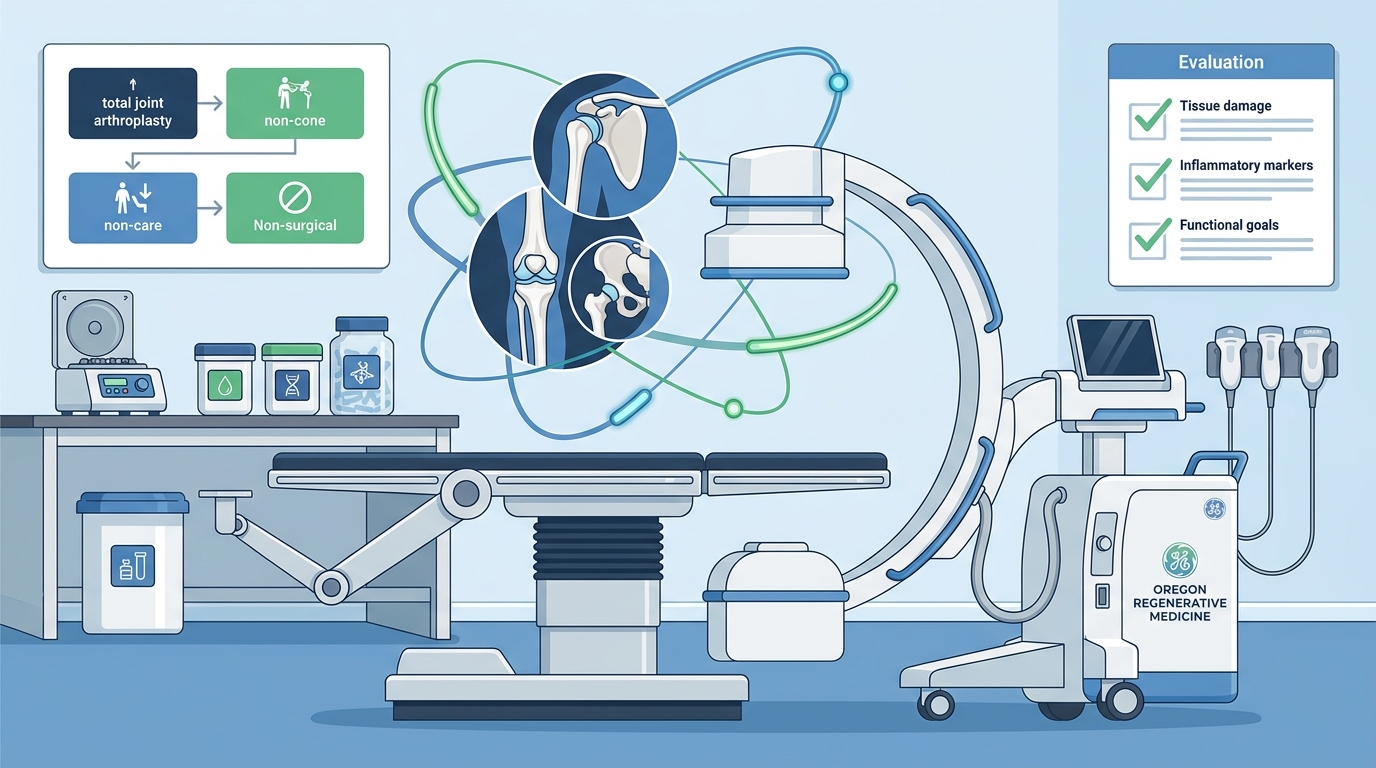
Current clinical data shows that approximately 70 percent of patients diagnosed with early to moderate osteoarthritis successfully delay or completely avoid surgical intervention through targeted regenerative protocols. This outcome depends entirely on consulting a physician who specializes in musculoskeletal restoration rather than standard orthopedic surgery. Clinical studies confirm that early intervention with biologic therapies significantly improves long-term joint function. Patients seeking alternatives to total joint arthroplasty require a structured evaluation of their specific tissue damage, inflammatory markers, and functional goals. The following guide outlines the exact medical pathways available to preserve natural joint architecture.
Understanding Regenerative Medicine Specialists
Regenerative medicine is a specialized medical discipline focused on repairing damaged tissues using the body’s own biological resources. Physicians in this field combine advanced imaging with minimally invasive injection techniques to restore joint function. Board certified practitioners evaluate structural damage before recommending any intervention. They prioritize tissue preservation over mechanical replacement. This approach requires extensive training in musculoskeletal anatomy and cellular biology. Patients benefit from doctors who understand the precise mechanics of load distribution across the shoulder, knee, and hip joints.
Diagnostic Protocols for Joint Preservation
Accurate diagnosis requires advanced imaging capabilities that standard clinics often lack. Ultrasound expertise allows physicians to visualize soft tissue damage in real time. Real time imaging reveals micro-tears and inflammation patterns that static X-rays miss. Fluoroscopy guided spine injections and joint assessments provide precise anatomical mapping. Physicians use these tools to measure exact injection depths and avoid nerve damage. This precision directly correlates with higher success rates and faster recovery timelines. Patients should verify that their provider utilizes image guidance for every procedure.
Platelet Rich Plasma Therapy Explained
Platelet rich plasma therapy involves concentrating a patient’s own platelets to accelerate natural healing processes. The procedure extracts blood, separates the cellular components, and injects the concentrated solution directly into the damaged joint. Clinical evidence supports significant pain reduction and improved mobility for osteoarthritis patients. The concentrated growth factors stimulate cartilage repair and reduce chronic inflammation. Recovery typically requires minimal downtime compared to surgical alternatives. This treatment remains highly effective for early to moderate joint degeneration.
Stem Cell and Adipose Biocellular Treatments
Stem cell orthopedics utilizes mesenchymal stem cells to regenerate severely damaged joint surfaces. Adipose biocellular therapy extracts regenerative cells from the patient’s own fat tissue and processes them for targeted injection. Advanced cellular processing maximizes the concentration of viable regenerative cells. These therapies target the root cause of joint degradation rather than masking symptoms. Patients often experience substantial improvements in range of motion and daily function. The procedure requires specialized laboratory processing to ensure cell viability and safety.
Prolotherapy and Structural Support Strategies
Prolotherapy involves injecting an irritant solution to stimulate the body’s natural healing response in weakened ligaments and tendons. This technique strengthens the structural support surrounding the joint. Targeted ligament strengthening reduces joint instability and prevents further cartilage wear. Physicians often combine prolotherapy with other biologic treatments for comprehensive joint restoration. The treatment protocol typically requires multiple sessions spaced several weeks apart. Patients report improved stability and reduced reliance on pain medication. This approach remains highly effective for chronic joint laxity.
Comparative Analysis of Joint Preservation Therapies
| Therapy Modality | Primary Biological Mechanism | Typical Recovery Timeline | Best Candidate Profile |
|---|---|---|---|
| Platelet Rich Plasma | Growth factor concentration and inflammation reduction | One to two weeks | Early to moderate osteoarthritis |
| Stem Cell Therapy | Cartilage regeneration and tissue repair | Two to four weeks | Advanced joint degeneration |
| Adipose Biocellular | Stromal vascular fraction cellular delivery | Two to three weeks | Chronic pain with tissue loss |
| Prolotherapy | Ligament and tendon structural reinforcement | Three to six weeks | Joint instability and laxity |
Key Takeaways
- Regenerative medicine specialists focus on tissue repair rather than mechanical joint replacement.
- Ultrasound and fluoroscopy guidance ensure precise injection placement and maximum therapeutic benefit.
- Platelet rich plasma therapy effectively reduces inflammation and accelerates natural healing pathways.
- Stem cell and adipose biocellular treatments target advanced joint degeneration with cellular regeneration.
- Prolotherapy strengthens supporting ligaments to restore joint stability and prevent further damage.
- Early intervention significantly improves long-term outcomes and reduces surgical conversion rates.
- Board certified practitioners with imaging expertise deliver the highest success rates for joint preservation.
Frequently Asked Questions
What qualifications should I look for in a joint preservation doctor?
Patients should verify that their physician holds board certification in regenerative medicine, pain management, or orthopedics. Additional credentials in ultrasound guidance and cellular processing significantly enhance treatment safety and efficacy.
How long do the results from regenerative joint injections typically last?
Most patients experience pain relief and functional improvements lasting between two and five years. Maintenance treatments may be recommended to sustain long term joint health and prevent disease progression.
Is regenerative medicine covered by insurance for joint pain?
Insurance coverage varies significantly by provider and specific policy language. Many carriers classify biologic joint injections as experimental or elective procedures.
Can shoulder pain be treated without surgical intervention?
Yes, targeted biologic therapies effectively address rotator cuff tears, bursitis, and adhesive capsulitis without requiring surgical repair.
What is the typical cost range for these joint preservation procedures?
Treatment costs depend on the specific therapy selected, the number of injection sessions required, and the complexity of the joint damage.
How quickly can patients return to normal daily activities after treatment?
Most individuals resume light daily activities within forty eight hours. Strenuous exercise and heavy lifting typically require two to four weeks of restricted movement.
Schedule Your Joint Preservation Consultation
Preserving your natural joint architecture requires expert evaluation and precise biologic interventions. Contact our Portland clinic today to schedule a comprehensive joint assessment. Our medical team utilizes advanced imaging and cellular therapies to develop a personalized preservation strategy. Schedule your consultation now and take the first step toward long term joint health without surgery.