
If you are living with shoulder, knee, or hip pain and have been told that joint replacement is your only option, you are not alone. Over 800,000 total knee replacements are performed in the United States each year, and that number is projected to rise dramatically. But surgery is not the only path forward. A growing field of medicine led by regenerative medicine physicians offers non-surgical alternatives that harness your body's own healing capacity. At Oregon Regenerative Medicine in Lake Oswego, Oregon, patients have been avoiding joint replacement since 1978 using advanced therapies like prolotherapy, PRP, and stem cell treatments.
What Is a Regenerative Medicine Doctor?
A regenerative medicine doctor is a physician who specializes in repairing damaged joints, tendons, and ligaments using the body's own biological materials rather than replacing them with artificial hardware. Unlike an orthopedic surgeon whose primary tool is surgery, a regenerative physician uses injectable therapies guided by imaging technology to stimulate tissue repair at the cellular level.
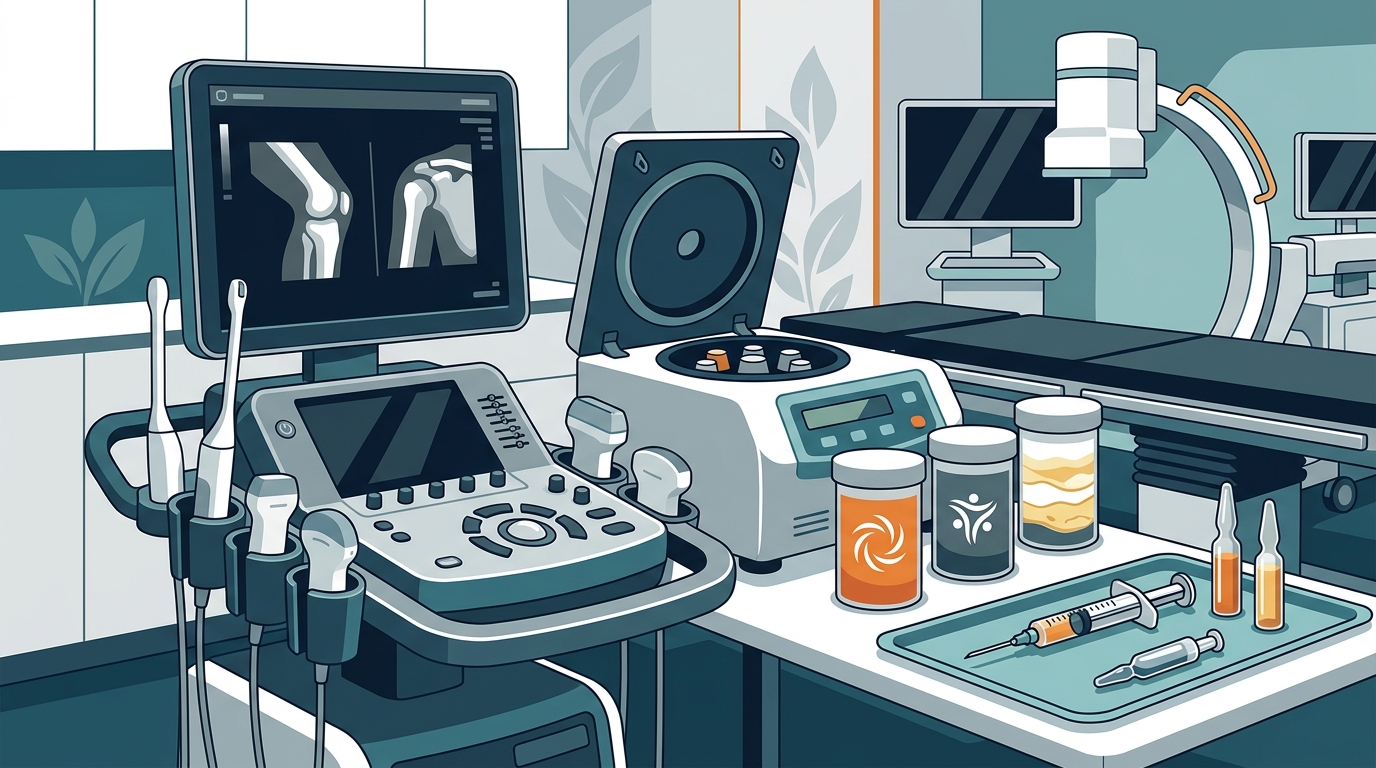
At Oregon Regenerative Medicine, regenerative injections treat acute and chronic pain in the hip, knee, shoulder, elbow, wrist, foot, and ankle. The clinic uses four Sonosite ultrasound systems and a GE OEC One Flat Panel C-Arm for fluoroscopy-guided precision, ensuring treatments reach the exact structures that need repair.
Why Patients Want to Avoid Joint Replacement
Joint replacement surgery carries real risks, including infection, blood clots, and adverse reactions to anesthesia. Recovery typically requires months of painful rehabilitation, and artificial joints have a limited lifespan of 15 to 20 years, meaning younger patients may face revision surgery down the road.
Many patients find themselves in what clinicians call a "treatment gap." They hurt too much for physical therapy alone, yet surgeons tell them they are too young for a total joint replacement. Regenerative medicine fills that gap by addressing the root cause of pain rather than masking symptoms with drugs or removing native tissue.
Non-Surgical Therapies That Can Replace Surgery
Prolotherapy
Prolotherapy is a regenerative injection technique that uses a concentrated dextrose solution to trigger the body's wound-repair cascade. This restarts innate healing mechanisms in damaged connective tissue. Oregon Regenerative Medicine's osteoarthritis treatment protocol often begins with prolotherapy as a foundational therapy.
Platelet Rich Plasma (PRP)
Platelet Rich Plasma, or PRP, is a concentration of platelets and growth factors derived from your own blood. A 2025 narrative review of 40 studies found that PRP injections demonstrate superior pain relief and functional improvement compared to hyaluronic acid and corticosteroids, especially in patients with mild to moderate osteoarthritis. Oregon Regenerative Medicine prepares PRP, PRF, A2M, and platelet lysates in their on-site laboratory.
Adipose Tissue Stem Cell Grafts
Stem cell therapy using autologous adipose tissue is a treatment in which mesenchymal stem cells are harvested from your own fat tissue and injected into damaged joints. Stem cell therapy combined with PRP offers a powerful alternative for patients with more advanced hip and knee arthritis who have been told surgery is inevitable.
Shoulder Pain: Rotator Cuff and Labrum Injuries
Rotator cuff tears are the most common shoulder injury, and conventional treatment often defaults to arthroscopic surgery. However, the American Academy of Orthopedic Surgeons reports that 19 to 57 percent of surgically repaired rotator cuffs re-tear within six months.
Oregon Regenerative Medicine has documented outcomes across 16 case studies of rotator cuff injuries treated with prolotherapy and PRP. Their clinical evidence shows that healing and pain reduction in partial rotator cuff tears can occur with only one or two injections, delivering effective relief with minimal downtime compared to months of post-surgical rehabilitation.
Knee and Hip Pain: Osteoarthritis Solutions
Osteoarthritis is a degenerative condition characterized by the progressive destruction of cartilage and cushioning surfaces in joints. According to Harrison's Manual of Medicine, over one million people in the U.S. have impaired walking due to osteoarthritis of the hips or knees. Globally, knee osteoarthritis alone affects approximately 365 million people.
At Oregon Regenerative Medicine, the hip and knee osteoarthritis program treats joints using prolotherapy, PRP, and adipose stem cell grafts. The most common joints treated include the hip, knee, ankle, shoulder, and spine. Chronic knee pain responds well to PRP therapy, and early intervention is critical because even minor joint injuries can cause progressive cartilage loss.
Comparing Joint Replacement vs. Regenerative Therapy
| Factor | Joint Replacement Surgery | Regenerative Injection Therapy |
|---|---|---|
| Procedure type | Major surgery under anesthesia | In-office injection (ultrasound or fluoroscopy guided) |
| Recovery time | 3 to 6 months rehabilitation | Days to weeks of limited activity |
| Number of treatments | Single surgery (possible revision) | 1 to 4 injection sessions |
| Risks | Infection, blood clots, implant failure | Minimal; uses your own biological material |
| Tissue preservation | Native joint removed permanently | Native joint repaired and preserved |
| Ideal candidates | End-stage arthritis with bone-on-bone | Mild to advanced arthritis (Kellgren-Lawrence I-III) |
| Long-term durability | Implant lasts 15 to 20 years | Outcomes vary; repeat treatments available |
Key Takeaways
- A regenerative medicine doctor specializes in repairing joints non-surgically using your body's own cells and growth factors.
- Prolotherapy, PRP, and adipose stem cell grafts are proven alternatives to joint replacement for many patients with shoulder, knee, and hip pain.
- PRP has been shown in multiple 2024-2025 studies to outperform corticosteroids and hyaluronic acid for knee osteoarthritis pain relief.
- Rotator cuff injuries can often heal with just one or two regenerative injections, avoiding surgical re-tear rates of up to 57 percent.
- Oregon Regenerative Medicine has treated thousands of joints since 1978 using image-guided regenerative therapies.
- Early treatment of joint pain is essential because even minor injuries can lead to progressive cartilage loss and arthritis.
- Regenerative therapy preserves your native joint tissue rather than replacing it with artificial hardware.
Frequently Asked Questions
What type of doctor should I see to avoid knee replacement?
A regenerative medicine physician specializes in non-surgical joint repair. Look for a practice that offers PRP, prolotherapy, and stem cell therapy with image-guided injection capability, such as ultrasound and fluoroscopy.
Does PRP really work for knee osteoarthritis?
Yes. A comprehensive 2025 review of 40 clinical studies found that PRP injections provide superior pain relief and functional improvement compared to hyaluronic acid and corticosteroid injections, particularly in mild to moderate osteoarthritis.
Can prolotherapy heal a torn rotator cuff?
Prolotherapy and PRP have demonstrated the ability to reduce pain and promote tissue healing in partial rotator cuff tears. Oregon Regenerative Medicine has documented successful outcomes across 16 rotator cuff case studies.
How many treatments will I need?
Most patients require between one and four injection sessions depending on the severity of their condition. Partial rotator cuff tears may respond to just one or two PRP injections, while advanced osteoarthritis may benefit from a series of treatments.
Is regenerative therapy covered by insurance?
Most regenerative injection therapies such as PRP and stem cell treatments are not currently covered by standard health insurance plans. However, many patients find the cost compares favorably to the out-of-pocket expenses, lost wages, and rehabilitation costs associated with surgery.
What is the difference between PRP and stem cell therapy?
PRP uses concentrated platelets and growth factors from your blood to stimulate repair. Stem cell therapy uses mesenchymal stem cells harvested from your own adipose (fat) tissue, providing a more robust regenerative response for advanced joint damage.
How long do the results of regenerative therapy last?
Results vary by patient and condition severity. Many patients experience durable pain relief lasting one to three years or longer. Repeat treatments are available if symptoms return, and each session builds on prior healing.
Does Oregon Regenerative Medicine treat conditions other than joint pain?
Yes. The practice also offers naturopathic primary care, hormone optimization, IV nutrient therapy, acupuncture, and specialty functional medicine testing as part of a comprehensive integrative medicine platform.
Schedule Your Consultation
If you have been told that joint replacement is your only option for shoulder, knee, or hip pain, consider a second opinion from a regenerative medicine specialist. Contact Oregon Regenerative Medicine in Lake Oswego, Oregon, to schedule a consultation and learn whether prolotherapy, PRP, or stem cell therapy can help you avoid surgery and restore pain-free function.